How to Choose a Bird Cage for Your Pet
A bird cage isn’t just a container — it’s the primary environment your bird will spend most of its life in, and the wrong dimensions, materials, or bar spacing can cause chronic stress, injury, or illness. The cage that looks appropriate in a product photo may be far too small for a cockatiel once you account for perches, toys, food dishes, and the bird’s wingspan. Getting the specifications right requires knowing your species requirements, not just a general size category.
Bar Spacing: The Most Critical Specification
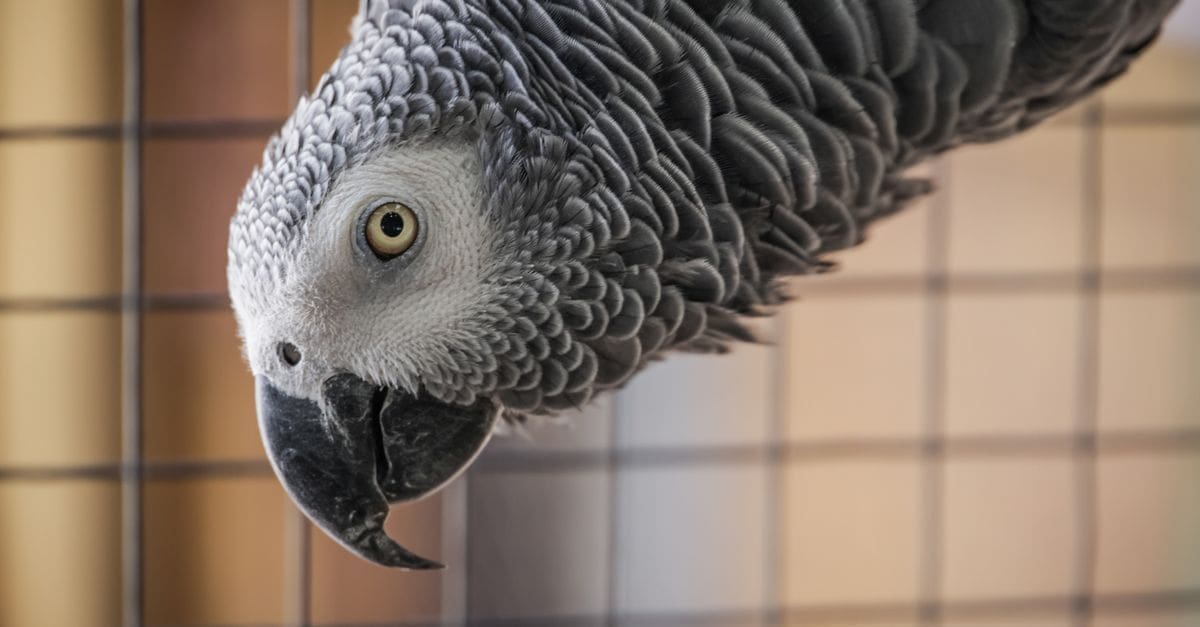
Bar spacing determines whether a bird can get its head — or its whole body — through the bars, either of which creates immediate safety risks. Small birds like finches and canaries need spacing of 1/4 to 3/8 inch. Cockatiels and small conures need 1/2 to 5/8 inch. Medium parrots including Amazons and African Greys need 3/4 to 1 inch. Large macaws and cockatoos need 1 to 1.5 inches.
Bar spacing that’s too wide allows small heads to pass through, which can result in strangulation when the bird panics and the head becomes wedged. Spacing that’s too narrow creates toe entrapment and can fracture digits. Verify the specific spacing recommendation for your species before any other consideration.
Interior Dimensions and Usable Space
The minimum cage size guidelines that appear on product packaging are almost always the absolute floor — not a comfortable recommendation. A cage should be wide enough for a bird to fully extend both wings simultaneously without touching the bars, and tall enough to accommodate perches at different heights with at least 12 inches of clearance below the highest perch to the top of the cage for flight.
Horizontal space matters more than vertical height for most parrots, which fly horizontally in the wild. A cage that is tall but narrow frustrates birds that want to move laterally. For budgies and cockatiels, a cage wider than it is tall — 30+ inches wide, 18 inches deep — provides meaningfully better enrichment than a narrower, taller enclosure.
Bar Material and Coating
Wrought iron and stainless steel are the two materials worth considering. Stainless steel is non-toxic, does not rust, requires no coating, and lasts indefinitely — it’s the premium choice, priced accordingly. Wrought iron cages are heavy, durable, and affordable, but they require a powder-coat finish to prevent rusting and oxidation.
Zinc and lead-based paints are toxic to birds and have caused fatalities in improperly coated cages. Always purchase from reputable suppliers with documented non-toxic powder coat formulations. Avoid cages with chrome plating over unknown base metals, galvanized wire (which contains zinc), or any coating that chips or flakes, as birds will chew on bars constantly.
Door Configuration
Door size and placement affect daily management more than any other feature. A main door large enough to pass your hand and arm through easily makes cleaning and interior arrangement practical. Cages with only small feeding ports force awkward access when repositioning perches or removing soiled substrate.
Look for doors that latch securely without requiring a key or complex mechanism that you’ll struggle to operate while holding a bird. Playful parrots — particularly cockatoos, African Greys, and Amazons — can learn to open simple slide bolts. Childproof clasps or carabiner-style locks prevent unplanned escapes. Multiple access doors on different sides allow cleaning one section while the bird remains in another.
Tray and Cleaning Access
A pull-out tray at the base simplifies the most frequent maintenance task — daily substrate changes. Trays should extend the full width and depth of the cage floor, with a raised lip to prevent debris from spilling when removed. Shallow trays are harder to clean than deeper ones, which contain droppings more effectively.
Some designs include a grate above the tray that keeps the bird off the cage floor and away from droppings. This is a hygiene improvement but requires checking that bar spacing on the floor grate is appropriate for your species’ toe size. Grates that are too open allow feet to pass through; too fine, and they trap debris rather than letting it fall to the tray.
What to check before you buy
- Confirm bar spacing against published species-specific recommendations before any other evaluation.
- Measure interior width to confirm it accommodates your bird’s full wingspan with room to spare.
- Verify the coating material is documented as non-toxic powder coat on wrought iron, or choose stainless steel.
- Check the main door opening size — your arm should pass through comfortably for cleaning and perch placement.
- Look for a pull-out tray with a raised lip that covers the full floor area.
- Confirm door latch security is appropriate for the intelligence and dexterity of your species.
- Check the cage weight and stand capacity if you’re purchasing a floor-standing unit.
How to choose a bird cage
Follow these six steps to find the right cage for your species and space:
- Look up the species-specific bar spacing requirement first — this eliminates most cages immediately for small or large birds.
- Calculate minimum interior width by measuring your bird’s wingspan and adding at least 50% on each side.
- Choose the material: stainless steel for durability and safety, or wrought iron with verified non-toxic powder coat for value.
- Evaluate door placement and size for daily cleaning and handling access.
- Confirm the tray design covers the full floor area and pulls out without lifting the entire cage.
- Assess latch security relative to your bird’s problem-solving ability — parrots require more secure closures than finches.
Ready to shop? Browse our full list of Bird Cages to compare top-rated options.