
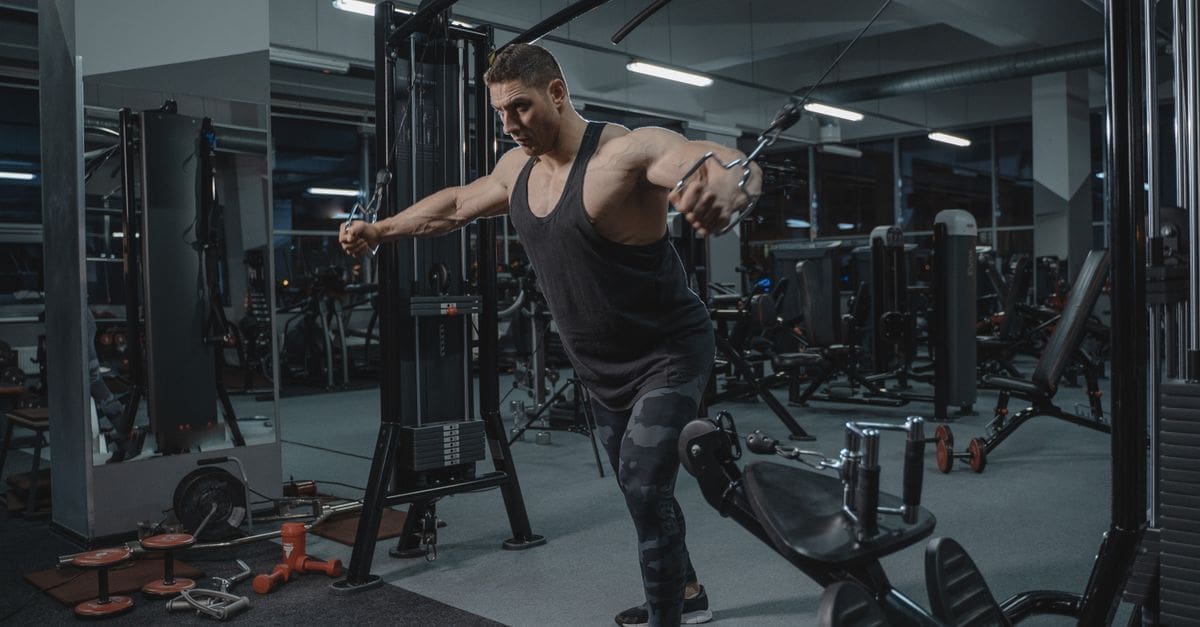
What to Look for in Cable Machines Before You Buy
Cable machines are one of the most versatile pieces of gym equipment because a single unit can train virtually every muscle group through a wide range of motion. Unlike fixed-path machines, cables allow you to adjust the angle, height, and grip position to better target specific muscles. The main variables to evaluate are weight stack capacity, pulley ratio, the number of cable positions, and the quality of the frame. Knowing what each of these specs means will help you match the machine to your training goals and available floor space.
Weight Stack and Pulley Ratio
The weight stack listed on a cable machine is the total weight loaded onto the tower, but the actual resistance you feel at the handle depends on the pulley ratio. A 2:1 ratio means you lift half the weight shown on the stack. A machine rated at 200 lbs with a 2:1 ratio delivers only 100 lbs of felt resistance—important to understand when comparing specs across brands.
For home use, a 150 to 200 lb stack is sufficient for most intermediate lifters. Serious strength athletes or those focused on leg exercises like cable squats may want 250 lbs or more. Some machines allow weight stack upgrades after purchase, which is worth considering if you expect to progress.
Cable Position and Adjustability
Functional trainers offer dual independent cable columns that can both be adjusted vertically, giving you the widest range of exercise options. Single-stack units with a fixed high and low pulley are more affordable but limit the angles you can work from. If you plan to do cable crossovers, flyes, or rotational exercises, dual adjustable columns are worth the investment.
Pulley height adjustment matters for exercises like lat pulldowns, cable rows, face pulls, and tricep pushdowns. Machines with smooth, indexed height adjustment that locks securely are far easier to use than those with bolt-and-pin systems that loosen over time. Test the adjustment mechanism before buying if possible.
Frame Construction and Footprint
Commercial-grade cable machines use 11 to 14-gauge steel frames that resist flex under heavy loads. Home-use machines often use thinner gauge steel, which is adequate for moderate use but may wobble at heavier weights. Look for welded joints rather than bolted connections on the main structural points.
Footprint is a key decision for home gyms. Full-size functional trainers can occupy 6 to 8 feet of floor space and require ceiling height of at least 7.5 feet to use the top pulley fully. Compact or half-rack cable attachments that bolt onto an existing power rack take up less floor space if you already have a rack.
Included Attachments and Cable Quality
The value of a cable machine depends partly on the attachments that come with it. A basic package typically includes a straight bar, a rope, and a D-handle. More complete packages add a lat bar, ankle strap, tricep pushdown bar, and a row handle. Universal attachment clips (1-inch diameter) allow you to add third-party attachments later.
Cable quality affects feel and durability. Nylon-coated aircraft cable resists fraying and runs smoothly through the pulleys. Check the cable thickness—thicker cable handles heavy stacks more safely. Nylon pulleys can crack under heavy use; cast aluminum or steel pulleys are a better long-term investment.
Assembly and Maintenance
Most cable machines require significant assembly, often two or more hours with a second person. Check whether assembly tools are included and whether the manual is clear. Some brands offer white-glove delivery and setup for an added fee, which is worth considering given the weight and complexity of these units.
Routine maintenance involves wiping down the weight stack guide rods, lubricating the cables periodically, and checking the weight pin for wear. Pulleys and cable attachment points should be inspected every few months for fraying or cracking. Machines with sealed bearings in the pulleys need less maintenance than those with open bearings.
What to Check Before You Buy
- Calculate actual felt resistance by applying the pulley ratio to the weight stack rating
- Measure your available floor space and ceiling height before ordering
- Confirm whether the cable columns adjust independently or are fixed
- Check which attachments are included and whether the hook accepts standard 1-inch accessories
- Look for welded steel construction on the main structural joints
- Verify the weight stack can be upgraded if you expect to progress significantly
- Confirm cable material—nylon-coated aircraft cable is more durable than bare cable
How to Choose a Cable Machine
Follow these steps to narrow down the right cable machine for your space and training goals.
- Measure your available floor space and ceiling height to set size constraints
- Determine your maximum training weight and apply the pulley ratio to find the right stack size
- Decide between a single-stack fixed unit and a dual-column functional trainer based on exercise variety needed
- Check frame gauge and joint construction for stability under heavy loads
- Review the included attachments list and confirm the hook accepts standard accessories
- Compare warranty terms—look for at least 3 years on the frame and 1 year on parts
Ready to shop? Browse our full list of Cable Machines to compare top-rated options.


