
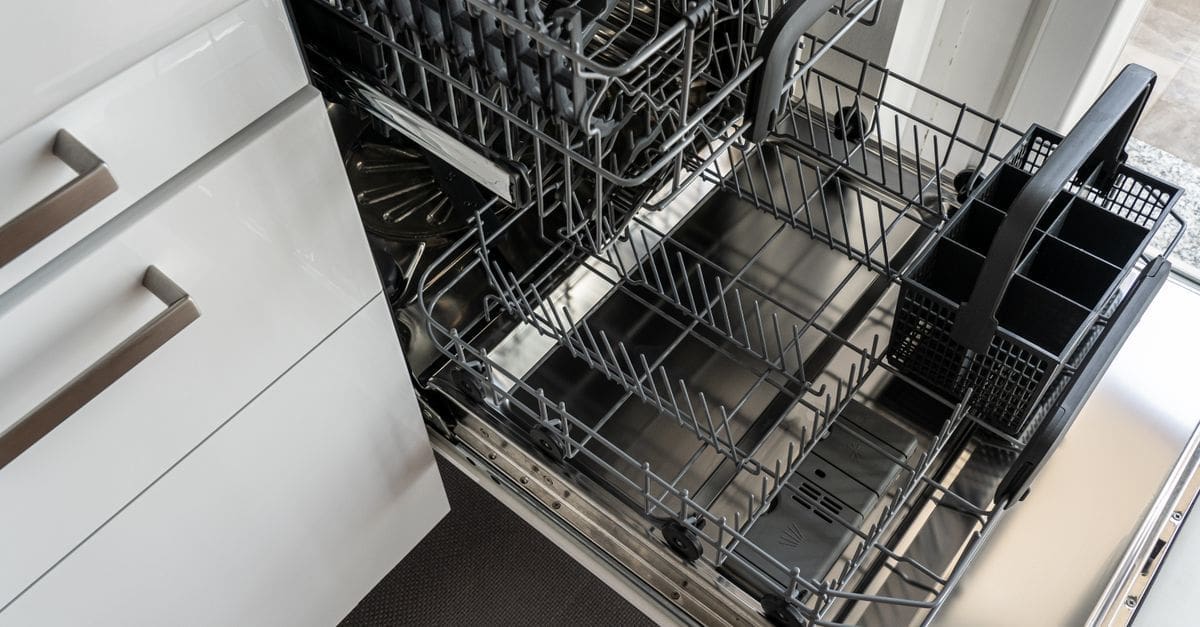
What to Look for in Built-In Dishwashers Before You Buy
A built-in dishwasher is a permanent kitchen appliance installed under the counter and connected to the home’s plumbing. Choosing one involves balancing cleaning performance, noise level, capacity, drying effectiveness, and energy efficiency. Most full-size built-in dishwashers handle the same basic task competently, so the key differentiators are how quietly they operate, how well they dry dishes (particularly plastics), whether they offer the wash programs you need, and whether features like a third rack or flexible loading options justify the price difference.
Noise Level
Noise level in decibels (dB) is one of the most meaningful differentiators among built-in dishwashers. Standard dishwashers run at 50 to 55 dB—noticeable in an open kitchen but not disruptive in an adjacent room. Quieter models run at 44 to 48 dB, which is barely audible in an open living space adjacent to the kitchen. Premium units run at 40 to 44 dB, which is nearly inaudible during normal household activity.
In open-plan homes where the kitchen flows directly into a living area, investing in a quiet dishwasher (44 dB or below) significantly reduces nighttime disruption. For traditional kitchens with a door separating from living areas, 50 dB is perfectly acceptable. Check the dB rating—often listed in the product specs—and compare it meaningfully to your home layout.
Capacity and Third Rack
Standard full-size built-in dishwashers hold 12 to 16 place settings. Larger capacity units hold more bulky items and accommodate a full day’s cooking and dining for a family without running multiple cycles. Rack configuration determines what actually fits—adjustable upper racks allow loading tall items like large glasses or blender pitchers on the bottom rack when the upper rack is raised.
A third rack is an additional flat rack at the top of the dishwasher interior, above the upper spray arm. It’s designed to hold flatware, serving utensils, small lids, measuring cups, and other items that would otherwise clutter the utensil basket. The third rack frees up basket and lower rack space for larger items. It’s a meaningful space efficiency improvement on dishwashers used heavily for cooking.
Wash Cycles and Cleaning Performance
Standard cycles include normal, heavy, light, auto-sense, eco, and sanitize. Auto-sense cycles (also called smart wash or auto) adjust water temperature and cycle duration based on soil level detection—ideal for households with variable load types. A sanitize cycle at 155°F or higher kills 99.9% of bacteria, which is valuable for families with infants or anyone immunocompromised.
Spray arm design affects cleaning coverage. Most standard dishwashers have lower and upper spray arms. High-performance units add a third spray arm behind the third rack and may include additional spray targeting for the center rack. Verify that the wash cycle configuration is compatible with the rack loading pattern you use most often.
Drying Methods
Drying performance varies more than wash performance across dishwashers. Heated drying uses a heating element to evaporate water—effective on most materials but increases energy use and isn’t suitable for some plastics. Fan-assisted drying uses a fan to circulate hot air and performs similarly to heated drying with less energy. Condensation drying uses no additional energy—the stainless steel tub retains heat and water condenses on the cooler walls—but leaves plastics significantly wetter than ceramic or glass.
Zeolite drying is a premium technology used by some European brands that uses a mineral to absorb moisture and release heat—it performs well on plastics and doesn’t require a heating element. AutoAir (Bosch) and TurboZone are brand-specific dry-enhance features that open the door slightly at the end of the cycle to let steam escape. These are effective and worth considering if thorough plastic drying is a priority.
Energy Efficiency and Tub Material
ENERGY STAR certified dishwashers use 10 to 20% less water and energy than standard models over the same workload. Over a full year of daily use, the savings on water and electricity offset the premium of an ENERGY STAR model within 1 to 3 years. Look for the energy factor or annual estimated operating cost in the spec sheet.
Stainless steel tubs retain heat better, dry more effectively through condensation, and resist staining and odors better than plastic tubs. Plastic tub dishwashers cost less but may discolor and hold odors after years of use. Stainless steel is worth the premium for a dishwasher that will be used daily for many years.
What to Check Before You Buy
- Check the dB rating against your home’s open-plan layout and sensitivity to nighttime noise
- Confirm capacity in place settings covers your household’s typical daily load
- Look for a third rack if you frequently wash flatware, utensils, and small kitchen items
- Choose a drying method that handles plastics if you use many plastic containers and lids
- Select ENERGY STAR certification for meaningful long-term water and energy savings
- Choose stainless steel tub for better drying, durability, and odor resistance over time
- Verify the wash cycle lineup includes auto-sense and sanitize if these are important to you
How to Choose a Built-In Dishwasher
Noise level and drying method are the two specs that most differentiate dishwashers at similar price points.
- Determine the acceptable dB level based on your kitchen layout and household noise sensitivity
- Choose capacity: standard 12 to 14 place settings for average use, 16+ for large families
- Decide whether a third rack is worth the premium based on your flatware and utensil volume
- Select a drying method that covers your use case—condensation is efficient but poor on plastics
- Confirm ENERGY STAR certification for ongoing operating cost savings
- Choose stainless steel tub for durability and drying performance
Ready to shop? Browse our full list of Dishwashers Built-In to compare top-rated options.


