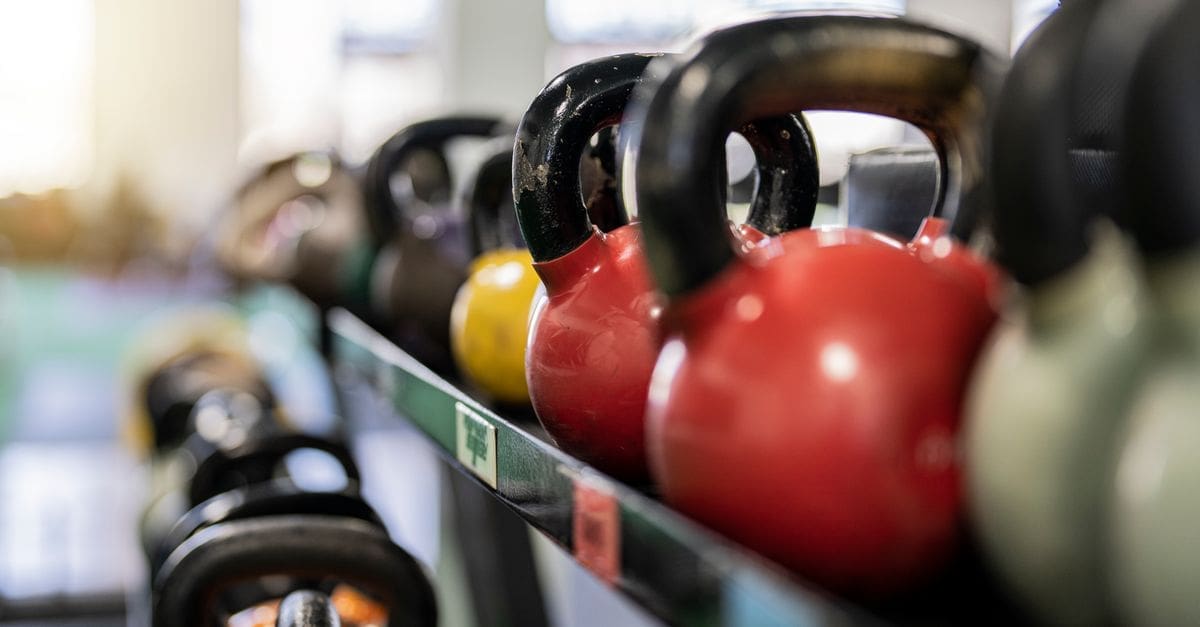
What to Look for in a Kettlebell
Choosing a kettlebell means weighing material, handle design, and weight progression, not the color coating alone. The right bell fits your grip, suits the movements you plan to train, and lets you add load as you get stronger. Cast iron, competition steel, and adjustable designs each serve different training styles and budgets. Knowing your experience level and whether you favor swings, presses, or full workouts helps you pick the weight and construction that support good form and steady progress.
Material and Construction
Cast iron kettlebells are the common all-purpose choice, with the bell size growing as the weight increases. A smooth, well-finished casting without seams or rough spots protects your hands during high-rep swings.
Competition-style steel bells keep the same dimensions across every weight, so your technique stays consistent as you move up. They cost more but suit lifters who want a uniform feel, while coated cast iron balances grip and durability.
Handle Design and Grip
Handle width and thickness determine whether one or two hands fit comfortably and how the bell feels during cleans and snatches. A handle too thick tires your grip quickly, while one too narrow crowds two-handed swings.
A smooth, matte handle finish grips chalked hands without shredding skin, whereas a rough or overly textured handle causes tears during volume work. The window between the handle and body should clear your wrist for smooth racking.
Weight Selection and Progression
Starting weight depends on experience and the lift; beginners often begin lighter for presses and heavier for swings, since the posterior chain is strong. Choosing a weight that lets you keep form beats going too heavy too soon.
Because you progress over time, plan for a few increments rather than a single bell. Many lifters build a small set spanning light to moderate loads so they can scale different movements without stalling.
Adjustable Versus Fixed
Adjustable kettlebells pack several weights into one unit by adding or removing plates, saving space and money for home training. The trade-off can be a bulkier body or a handle that feels different from a classic cast bell.
Fixed kettlebells feel more natural and balanced for dynamic movements like swings and snatches, since the weight is solid and centered. Decide whether space savings or an authentic feel matters more for how you train.
Base, Balance, and Safety
A flat, stable base lets the bell sit still for renegade rows and floor work without wobbling or scratching your floor. A wide base also makes the bell easier to grab from the ground.
Balanced weight distribution keeps the bell tracking predictably during ballistic lifts, which protects your wrists and shoulders. Check that the finish will not chip and expose sharp edges over time, since safety during fast movements matters.
What to Check Before You Buy
- Choose cast iron for value or competition steel for consistent dimensions.
- Confirm the handle width fits one or two hands for your intended lifts.
- Look for a smooth matte handle that grips without tearing skin.
- Match starting weight to your experience and the specific movements.
- Plan for several increments so you can progress over time.
- Decide between adjustable for space or fixed for a natural feel.
- Check for a flat, stable base for floor and static exercises.
- Verify a durable finish with no seams or sharp edges.
How to Choose a Kettlebell
Starting from your training goals keeps the weight and construction choices sensible.
- Identify your experience level and the main movements you will train.
- Pick a construction: cast iron, competition steel, or adjustable.
- Confirm the handle size fits your grip and hand count.
- Select a starting weight that lets you keep clean form.
- Plan a small range of weights for progression.
- Check the base, balance, and finish for safe, dynamic use.
Ready to shop? Browse our full list of Kettlebells to compare current options and prices.