How to Choose a Lint Remover
The type of lint remover, whether a sticky roller, a brush, or a powered device, sets how it lifts fuzz, hair, and lint from clothing. Refill cost, reusability, and surface suitability shape both convenience and running expense. Portability and ease of cleaning affect daily use. Matching the type and design to your fabrics and habits keeps clothes clean without constant restocking.
Type: Roller, Brush, and Powered
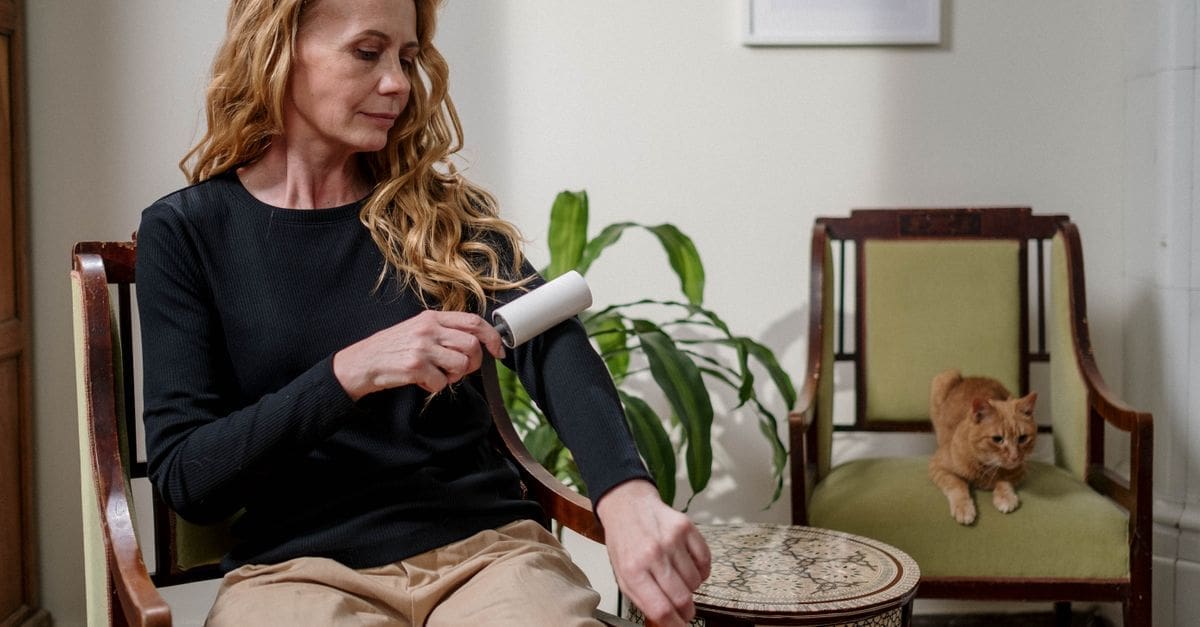
Adhesive rollers peel sheets to lift lint and hair quickly, reusable fabric brushes sweep debris into a chamber without sticky sheets, and powered devices pull lint mechanically. Each type suits different needs and running costs.
Sticky rollers are cheap and effective but need refill sheets, while reusable brushes avoid ongoing cost. Consider how often you de-lint and whether you prefer disposable convenience or a reusable tool.
Refill Cost and Reusability
Adhesive rollers need replacement sheets over time, so the refill cost adds up for heavy users. Refillable rollers with available replacement rolls keep that cost predictable.
Reusable brushes and washable devices avoid refills entirely, cleaning with a rinse or a built-in chamber. Weigh the upfront price of a reusable tool against the ongoing cost of sticky sheets.
Surface and Fabric Suitability
A gentle brush suits delicate fabrics that aggressive adhesive might disturb, while sticky rollers grab pet hair from sturdier weaves. The tool should match the fabrics you clean most.
Some devices work on upholstery and car seats as well as clothing, adding versatility. Consider whether you mainly de-lint garments or also furniture and pet bedding.
Portability and Storage
A compact roller or travel brush fits a bag, drawer, or desk for quick touch-ups anywhere. A cover or retractable design keeps a sticky roller clean between uses.
Keeping one at home and one for travel or the office suits people who de-lint often. Consider size and whether the tool stores neatly where you need it.
Cleaning and Maintenance
Reusable brushes and powered devices need emptying and occasional cleaning to keep working, but avoid refill purchases. A chamber that opens and empties easily makes upkeep simple.
Sticky rollers need no cleaning but generate used sheets. Consider the balance between refill waste and the light maintenance a reusable tool asks for.
Effectiveness on Pet Hair and Lint
Pet hair can be stubborn, so a tool designed for it, whether a strong adhesive or a directional brush, clears more in fewer passes. General lint and fuzz lift more easily than embedded hair.
A tool that lifts debris without leaving residue keeps clothes looking clean. Consider your main problem, since heavy pet hair asks more of a lint remover than occasional fuzz.
What to Check Before You Buy
- Choose a roller, brush, or powered type to suit your habits.
- Weigh refill cost against a reusable, no-refill design.
- Match the tool to your fabrics, gentle for delicates.
- Consider versatility for upholstery, car seats, and pet bedding.
- Prefer a compact, storable design for quick touch-ups.
- Check reusable tools empty and clean easily.
- Confirm strong performance if pet hair is your main issue.
- Look for a cover or retractable design to keep it clean.
How to Choose a Lint Remover
Start with your fabrics and how often you de-lint, then weigh type, refill cost, and versatility against portability and cleaning.
- Decide between disposable rollers and reusable brushes or devices.
- Weigh ongoing refill cost against upfront price.
- Match the tool’s gentleness to your fabrics.
- Consider whether you also clean furniture or pet bedding.
- Choose a portable, storable size for your routine.
- Prefer easy emptying and cleaning on reusable tools.
Ready to shop? Browse our full list of Lint Removers to compare current options and prices.