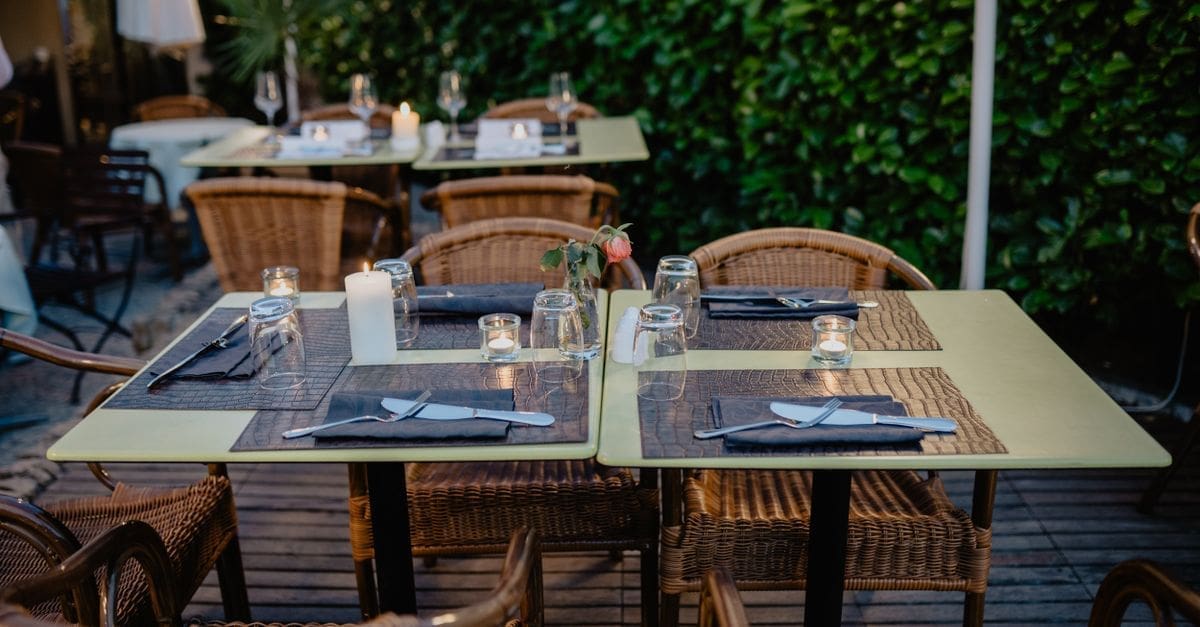
What to Look for in a Dining Table
Seating capacity and the right size for your room decide whether a dining table hosts comfortably or crowds the space and its diners. Material, shape, and extendability shape both use and durability. Base design and finish affect stability and upkeep. Matching the dimensions and build to your room and household keeps a dining table gathering people in comfort for years.
Size and Seating Capacity
Each diner needs enough width and elbow room, so the table length should suit the number you seat regularly plus occasional guests. Allowing generous space per place setting prevents a cramped meal.
Leave room to pull chairs out and walk around the table, typically a clear path on each side. Measure the room and subtract this clearance to find the largest table that still lets people move.
Shape and Room Fit
Rectangular tables suit long rooms and seat more, while round tables ease conversation and fit square spaces without sharp corners. Oval and square shapes offer middle grounds for different layouts.
A round table works well for smaller groups and tight rooms, while a rectangle anchors a larger dining space. Match the shape to the room’s proportions and how you gather.
Extendability and Flexibility
Extension leaves let a table grow for guests and shrink for everyday use, suiting households that host occasionally. A fixed table is simpler and sturdier but cannot adapt to a crowd.
Butterfly and drop-in leaves differ in how they store and deploy, affecting convenience. Consider how often you need extra seats so the extension mechanism matches your entertaining.
Material and Durability
Solid wood withstands years of meals and can be refinished, while veneers look similar but resist wear less. Glass and stone tops resist stains but show fingerprints and add weight.
A sealed, heat- and stain-resistant surface handles hot dishes and spills that dining tables endure. Match the material to your household, since a family table needs a more forgiving top than a formal one.
Base Design and Stability
A pedestal base frees legroom and lets diners sit anywhere around the table, while four legs offer stability but can block a chair at each corner. Trestle bases balance the two.
A stable, well-built base keeps the table from wobbling under leaning and serving. Check the construction and how the top attaches, since a large top needs a strong, level base.
Style and Finish
The table should suit your dining space and coordinate with chairs and nearby furniture, from rustic wood to sleek modern designs. A finish that resists scuffs keeps it looking good through daily meals.
Consider how the finish wears and cleans, since a dining table sees constant use. Match the style to your home so the table fits the room and the way you live.
What to Check Before You Buy
- Size the length to those you seat regularly plus guests.
- Allow generous width per place setting for comfort.
- Leave clearance to pull out chairs and walk around.
- Choose a shape that suits the room and how you gather.
- Consider extension leaves if you host occasionally.
- Select a durable, heat- and stain-resistant surface.
- Confirm a stable base that frees legroom where possible.
- Pick a finish that coordinates with chairs and wears well.
How to Choose a Dining Table
Start with how many you seat and your room size, then weigh shape, extendability, and material against base design and style.
- Size the table to your regular and guest seating.
- Choose a shape that fits the room and gathering style.
- Decide whether extension leaves suit your entertaining.
- Select a durable, easy-clean surface material.
- Confirm a stable base that frees legroom.
- Pick a coordinating, hard-wearing finish.
Ready to shop? Browse our full list of Dining Tables to compare current options and prices.