
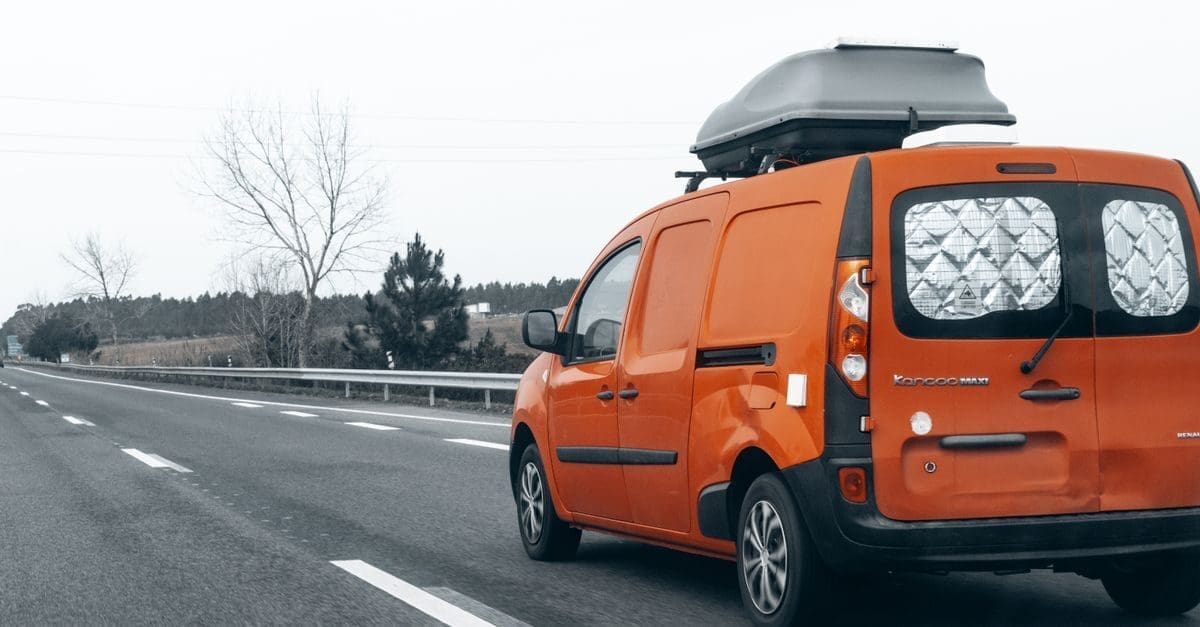
What to Know Before Buying a Roof Cargo Box
Skis, camping gear and luggage all ride more securely in a locking hard shell than in a pile on the back seat. Choosing one means balancing interior volume against roof length, rack compatibility and how easily the lid opens in a parking lot. Mounting hardware and opening style affect daily convenience as much as capacity does. These are the details worth comparing before you commit to a box that will live on your roof for years.
Volume and Interior Length
Hard boxes usually range from about 11 to 22 cubic feet. Volume tells you how much fits, but interior length tells you what fits. If you carry skis or snowboards, measure your longest board and pick a box with at least a few inches of extra interior length.
Low-profile boxes trade some height for less drag and easier garage clearance. Taller boxes hold bulky duffels and coolers but can push your vehicle over a garage door limit, so measure total height with the box installed.
Roof Rack and Crossbar Compatibility
Cargo boxes mount to crossbars, not bare roofs. Check the minimum and maximum crossbar spread the box supports, as well as the bar profile. Square, round and aerodynamic bars all work with most modern clamps, but factory bars may need adapters.
Confirm the dynamic load limit of your roof and rack, which is often between 100 and 165 pounds. Subtract the weight of the box and bars to find how much cargo you can safely carry.
Opening Style: Single or Dual-Side
Dual-side opening boxes let you load from either side of the car, which is helpful on busy streets and in tight parking spots. Single-side boxes open from the passenger side only and are usually less expensive.
Gas struts or lid lifters hold the lid open while you load. Check that the lid opens high enough to reach the back of the box without stretching, especially on tall vehicles like SUVs and vans.
Mounting Hardware
Quick-release clamps that tighten with a dial or lever install in minutes without tools. Older U-bolt systems are secure but slower to fit and remove. Torque-indicating knobs click when the clamp is tight, which prevents over- or under-tightening.
If you remove the box between seasons, quick mounting matters a lot. If the box stays on all year, a simpler system may be fine.
Material, Aerodynamics and Noise
ABS plastic is common and impact resistant, while ABS with an acrylic cap adds UV and scratch resistance for a longer-lasting finish. Thicker shells flex less at speed and seal better against rain.
Tapered, low noses reduce wind noise and drag. Position the box so the front sits behind the windshield top and does not block the rear hatch from opening fully.
Locks and Security
Central locking that secures multiple points with one key keeps the lid tight along its length. Most systems prevent the key from being removed until all latch points are engaged, which stops you driving off with an unlatched lid.
Keep spare keys in a safe spot at home. A lost key can lock you out of your gear for days.
What to Check Before You Buy
- Measure the longest item you will carry and compare it with interior length.
- Confirm your crossbar spread and profile fit the box clamps.
- Check your roof load limit and subtract box and rack weight.
- Decide between single-side and dual-side opening.
- Look for tool-free quick-release mounting if you remove the box often.
- Measure total vehicle height with the box for garage clearance.
- Test that the rear hatch can open fully with the box installed.
How to Choose a Roof Cargo Box
These steps help you match a box to your car and cargo.
- Confirm you have compatible crossbars or plan to buy them.
- Decide what you will carry most and how long the longest item is.
- Choose a volume and profile that fit your roof and garage.
- Pick an opening style that suits where you usually park.
- Compare mounting systems for speed and security.
- Check material, lock quality and warranty.
Ready to shop? Browse our full list of Roof Cargo Boxes to compare current options and prices.


