
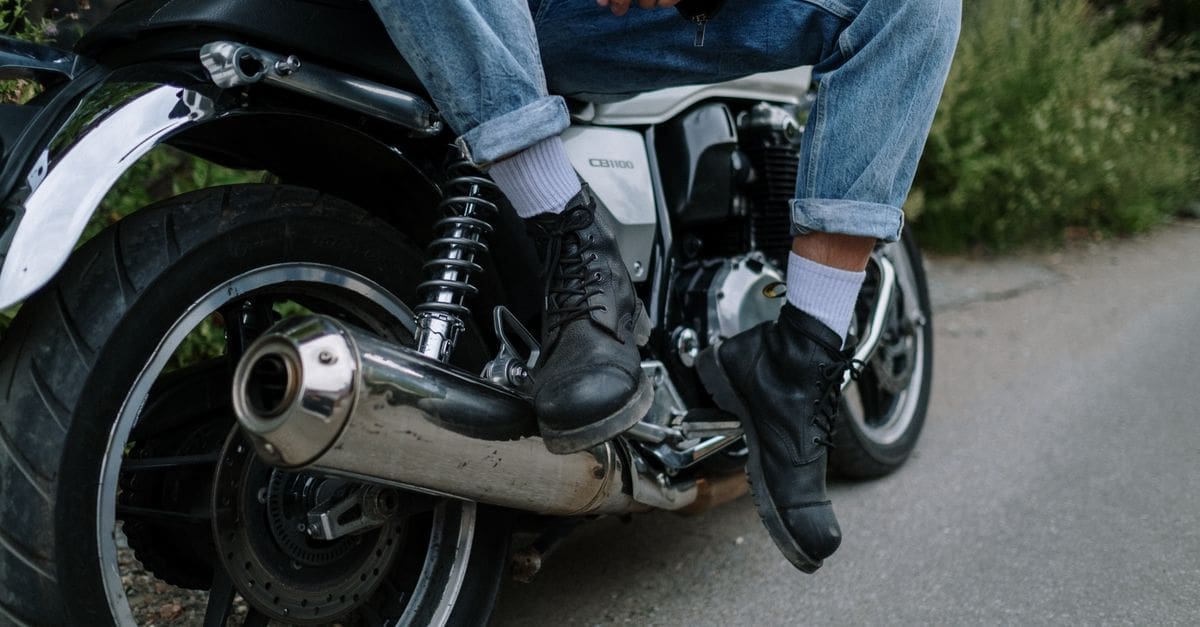
What to Know Before Buying Motorcycle Boots
Feet and ankles take a beating in even a low-speed tip-over, and ordinary sneakers offer almost no protection. Riding boots add ankle armor, stiff soles and abrasion-resistant uppers. Height, waterproofing and walking comfort decide whether they suit commuting, touring or track days. Compare these features before buying a pair.
Boot Height and Style
Riding shoes and short boots look casual and walk comfortably, which makes them popular with commuters. They protect the ankle bones but offer less shin coverage than taller boots.
Mid-height touring boots cover the ankle and lower shin, while tall race boots add shin plates and ankle braces for track riding. Off-road boots are the tallest and stiffest to handle rocks, ruts and falls.
Protection and Certification
Look for CE certification to EN 13634, which tests boot height, abrasion resistance, impact cut resistance and transverse rigidity. Reinforced ankle cups, heel cups and toe caps add impact protection.
Torsional stiffness prevents the foot from twisting in a crash. Stiffer boots protect more but can feel less comfortable when walking.
Soles, Grip and Shifter Pads
Oil-resistant rubber soles grip wet pavement and fuel-stained parking lots. Defined heels help hold the foot pegs.
Reinforced shifter pads protect the toe box from wear. Stiff soles support standing on pegs, while flexible soles walk better.
Waterproofing and Ventilation
Waterproof membranes keep feet dry in rain and on wet roads. They can feel warmer in summer.
Perforated and mesh boots stay cooler in hot weather. Choose based on your climate and riding season.
Closures and Fit
Zippers, laces, BOA dials and buckles each affect fit and convenience. Laces should be covered or tucked so they cannot catch on pegs.
Try boots with riding socks and walk around to check heel lift and toe room. Sit on a bike if possible to check shifter clearance.
What to Check Before You Buy
- Choose boot height for your riding style.
- Check CE EN 13634 certification.
- Look for ankle, heel and toe protection.
- Check sole grip and shifter pads.
- Decide on waterproof or vented.
- Compare closure systems.
- Test fit with riding socks.
How to Choose Motorcycle Boots
These steps help protect your feet and ankles.
- Identify your riding style.
- Choose boot height.
- Confirm certification and armor.
- Check soles and shifter protection.
- Choose waterproofing or ventilation.
- Try on boots and walk around.
Ready to shop? Browse our full list of Motorcycle Boots to compare current options and prices.


