Bread Makers for Beginners Buying Guide
Bread Makers for Beginners: What First-Time Buyers Should Notice
A first machine should make the process feel approachable instead of technical. Shoppers comparing bread makers for beginners usually want clear controls, dependable presets, and enough flexibility to learn without being overwhelmed. A long feature list can look impressive, but it is not helpful if the basic bread cycle feels confusing. The best beginner-friendly models make the first few uses feel comfortable and repeatable.
Kitchen fit matters just as much as the settings. A beginner who has to drag a heavy appliance out of a deep cabinet may use it less often, even if the machine performs well. Buyers should picture where the bread maker will live, how often it will be used, and whether the control panel feels understandable at a glance.
Simple Controls Matter More Than Feature Count
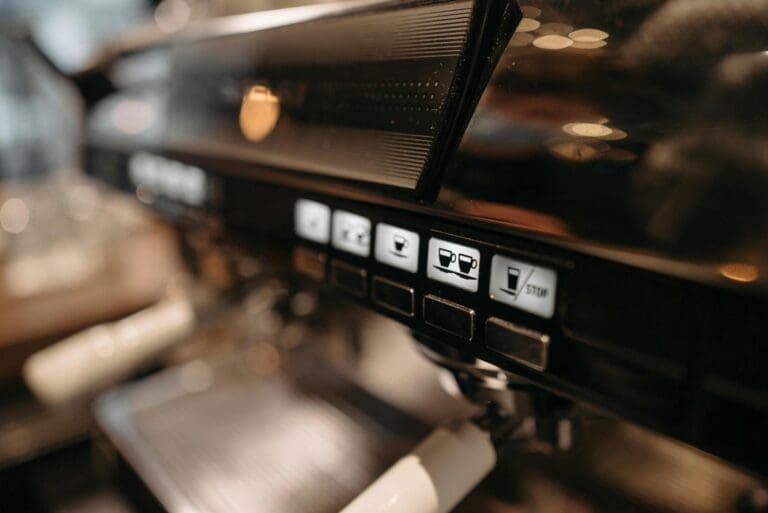
Beginners often assume more programs automatically mean a better appliance. In practice, a smaller group of well-labeled settings can be easier to use than a long menu filled with modes that rarely get touched. A clear control panel helps shoppers understand how the machine handles basic bread, dough, crust color, and loaf size. The goal is confidence on day one, not a complicated dashboard that requires constant checking.
Button layout can influence whether the appliance feels inviting. Some control panels show the main programs clearly, while others rely on small codes or crowded labels. A first-time buyer should favor an interface that makes the normal bread-making path obvious.
Menu Labels Should Be Obvious
A beginner-friendly display should use plain language and logical button placement. Buyers should be able to understand the basic workflow from a product image or manual preview without feeling lost. This point can influence whether the machine feels inviting or inconvenient after the first few uses. Small differences in layout, size, and controls often shape long-term satisfaction more than shoppers expect.
Choosing the Right Loaf Size
Loaf size affects storage, freshness, and how often the machine will be used. A single person or couple may not need a large-capacity model if bread will go stale before it is finished. Larger households may prefer a machine that can produce bigger loaves without running constantly. Buyers should match loaf size to eating habits instead of assuming the largest capacity is automatically more practical.
The shape of the loaf also matters. Some machines produce taller loaves, while others create slices that feel closer to store-bought sandwich bread. Beginners should think about how the bread will actually be used before choosing a size.
Small Households Need Realistic Capacity
A compact loaf can be more useful than a large loaf if the household eats bread slowly. The right size helps reduce waste and makes the machine feel easier to use regularly. This point can influence whether the machine feels inviting or inconvenient after the first few uses. Small differences in layout, size, and controls often shape long-term satisfaction more than shoppers expect.
- Clear basic bread setting for simple first use.
- Adjustable loaf size for different household needs.
- Crust color control without complicated menus.
- Readable display with time or cycle information.
Preset Programs Worth Understanding
Presets are useful when they match how the household actually plans to use the machine. Basic white bread, whole wheat, dough, and quick bread settings are often more important than novelty programs. A beginner should look for straightforward options that make sense immediately. Extra settings can still be helpful, but they should not make the main interface harder to navigate.
Specialty programs are worth considering only when they support real habits. A buyer who wants pizza dough may care about dough settings, while another may value whole grain programs. Matching presets to likely use keeps the purchase practical.
Noise and Placement Expectations
Some machines knead with noticeable movement or sound. Buyers with open kitchens or small apartments should think about where the machine will run during longer cycles. This point can influence whether the machine feels inviting or inconvenient after the first few uses. Small differences in layout, size, and controls often shape long-term satisfaction more than shoppers expect.
Counter Space and Storage Fit
Bread makers are not tiny appliances, so placement matters before purchase. Some buyers plan to store the machine between uses, while others want it available on the counter. Weight, handle design, and cabinet clearance influence how realistic those plans are. A machine that is too awkward to move may end up staying out permanently, which can be fine only if the kitchen has room for it.
Storage planning should include the lid, cord, pan, and accessories. A machine that fits the shelf but is difficult to lift or turn may still be inconvenient. Buyers should think about the entire handling experience.
When Extras Become Distracting
Features like custom programming may be useful later, but beginners should not let advanced controls distract from basic usability. The first priority is a machine that handles everyday bread comfortably. This point can influence whether the machine feels inviting or inconvenient after the first few uses. Small differences in layout, size, and controls often shape long-term satisfaction more than shoppers expect.
Viewing Windows and Progress Confidence
A viewing window can make beginners feel more comfortable because it allows a quick look at the loaf without interrupting the cycle. It is not essential, but it can reduce the urge to open the lid. Buyers should also consider whether the display clearly shows cycle stage and remaining time. Those small signals make the machine feel easier to trust.
Progress visibility is especially helpful during early use. When a buyer can understand what the machine is doing, the appliance feels less mysterious. That confidence can make repeated use more likely.
- Start with the control panel before comparing advanced features.
- Check whether the loaf size fits normal weekly bread use.
- Measure storage space if the machine will not stay on the counter.
- Compare replacement paddle availability before buying.
Beginner Bread Maker Buying Checklist
A beginner-focused purchase should reduce friction from the first use. The strongest options make basic bread easy, offer enough capacity for the household, and avoid complicated controls. Buyers should prioritize the features that make the machine inviting rather than chasing advanced settings too early. This is where a practical buying checklist can prevent overpaying for features that sound impressive but rarely get used.
Final Beginner Buying Takeaway
The best beginner bread maker is the one that makes the buyer want to use it repeatedly. Simple controls, clear presets, manageable size, and predictable operation are more valuable than an intimidating feature list. A buyer can compare specific models on the parent ranking page, but the final choice should match confidence level, kitchen space, and realistic baking habits.