Food Processor Sizes: What Capacity Do You Really Need
Why Food Processor Size Changes the Whole Experience
Food processor size is not just a measurement on a box. It affects how efficiently ingredients move, how many batches you need, where the appliance can be stored, and how often you will want to use it. A bowl that matches your cooking rhythm can make prep feel smooth and quick. A poorly matched size can make even a strong machine feel inconvenient.
Shoppers often assume bigger is automatically better, but that is not always true. A large bowl can be excellent for volume, yet clumsy for small amounts. A compact bowl can feel quick and easy, yet limiting when you need to prep more than a handful of ingredients. The right capacity comes from the overlap between storage, meal size, and the type of prep you do most often.
Mini Food Processors: Best for Quick, Small Jobs
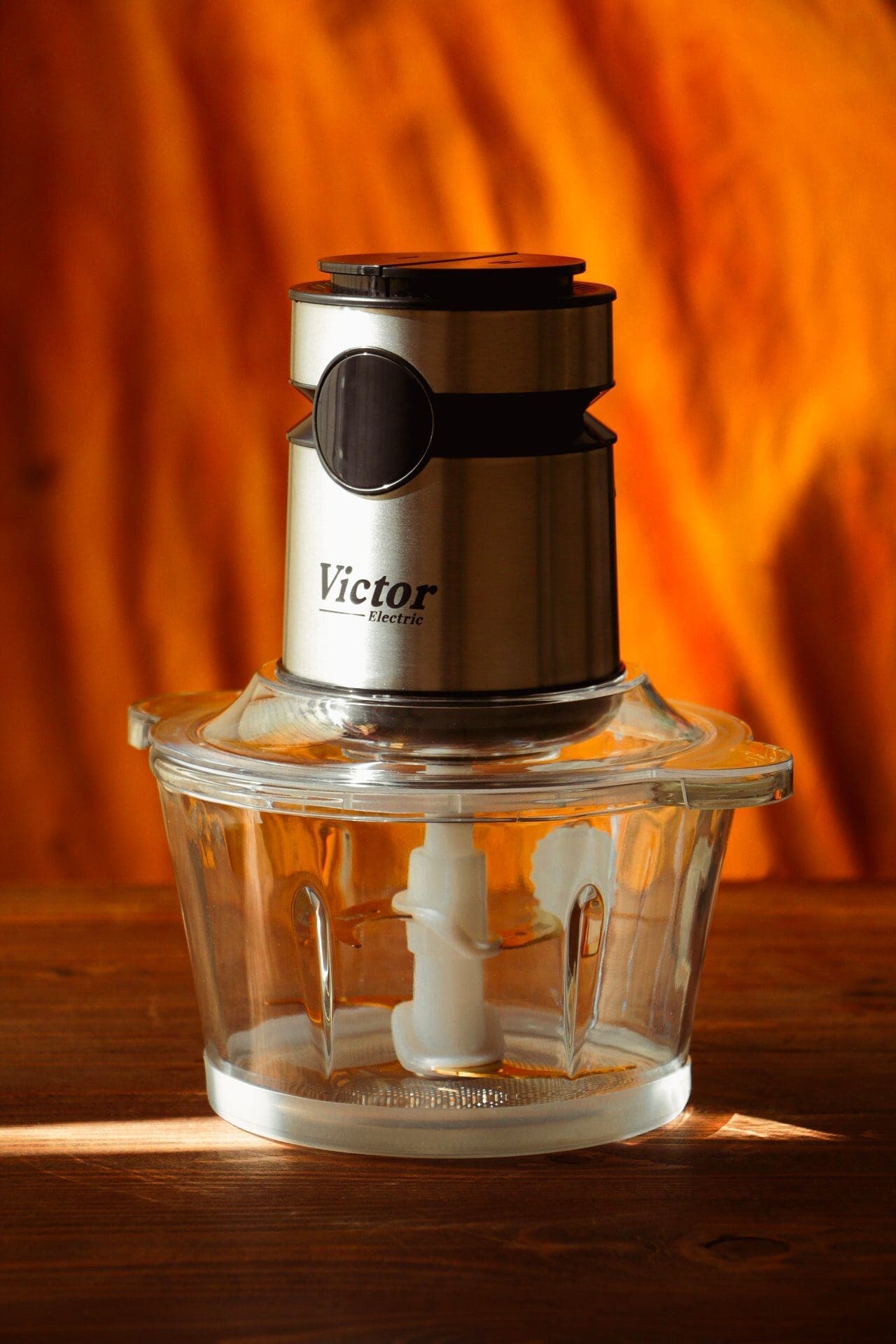
Mini food processors are appealing because they are light, simple, and easy to tuck away. They suit small kitchens, occasional prep, and people who want help with modest tasks without committing to a full-size machine. Their smaller bowls encourage quick use because there is less setup and less bulk. For some households, that convenience is exactly the point.
The limitation is capacity. Small bowls can fill quickly, and ingredients may need more frequent scraping or batch handling. They are not ideal when you want to prep several components for a meal or work through larger quantities. A mini model is most satisfying when expectations stay realistic.
When a mini size makes sense
A compact processor is a strong fit when you value speed and storage over volume. It can be especially useful in apartments, dorm-style kitchens, RVs, or homes where counter space is already crowded. It also works for shoppers who cook in smaller portions and do not need a wide feed tube. The smaller size can make the appliance feel approachable rather than like another big machine.
Mid-Size Food Processors: The Flexible Middle Ground
Mid-size food processors are often the most balanced option. They provide enough room for everyday prep while staying manageable for storage and cleanup. This category works well for households that cook regularly but do not need restaurant-level volume. It is also a good place to start if you are unsure what size you need.
A mid-size bowl usually gives ingredients enough space to circulate without forcing you into a large footprint. It can handle many common prep tasks in one or two batches, depending on quantity. For many kitchens, this size feels useful throughout the week rather than reserved for occasional big projects. That ongoing usefulness is what makes it appealing.
A practical capacity profile
Mid-size models tend to fit shoppers who want a real prep appliance but still care about cabinet space. They can support slicing, shredding, chopping, and mixing without feeling oversized. If you cook for a small family, meal prep lightly, or want a machine that can grow with your habits, this range deserves close attention.
Full-Size Food Processors: Built for Bigger Prep
Full-size food processors are made for volume and efficiency. They can reduce repeated batches, handle larger ingredients more comfortably, and support more ambitious prep sessions. This size can be a smart investment for households that cook from scratch often or prepare food ahead for several days. It also gives attachments more room to work effectively.
The tradeoff is space. Full-size bases are usually heavier, bowls are larger, and accessories may need dedicated storage. If the machine is hard to lift or awkward to store, it may not get used as often as expected. Large capacity is valuable only when it fits the kitchen as well as the cooking routine.
When bigger capacity earns its place
Choose a larger food processor when batch volume is a recurring need, not a rare exception. If you regularly prep ingredients for several people, entertain, or like to cook in bigger sessions, the added bowl space can save real effort. The machine may take up more room, but it can also reduce the number of times you stop and reload.
Feed Tube Size Can Matter as Much as Bowl Size
Capacity is not only about the bowl. The feed tube determines how much trimming you need before ingredients can be sliced or shredded. A larger feed tube can speed up prep by accepting bigger pieces, while a narrow tube may require more knife work before the processor even starts. That difference can affect the entire buying decision.
Look at feed tube design in relation to the foods you actually prep. If you often work with long vegetables, firm produce, or larger ingredients, a wider opening can be useful. If most of your tasks are small chopping jobs, the feed tube may matter less. A well-sized bowl with an inconvenient feed tube can still feel inefficient.
How Household Size Influences Capacity
Household size can be helpful, but it should not be the only guide. A single person who batch cooks may need more capacity than a family that relies on simpler meals. A couple that entertains may benefit from a larger model, while a family with limited cabinet space may prefer a mid-size processor. Cooking pattern is often more revealing than headcount.
Use this framework before choosing:
- Small portions and limited storage: mini or compact capacity
- Regular weeknight prep: mid-size capacity
- Batch cooking or frequent entertaining: full-size capacity
- Heavy slicing and shredding: larger bowl plus wider feed tube
- Occasional use only: prioritize easy storage over maximum volume
The right size should feel useful on normal days, not just ideal on rare days. If you choose around the most extreme scenario, you may end up with a machine that is inconvenient most of the time.
When a size upgrade is worth it
A larger capacity is worth considering when your normal prep regularly spills beyond one bowl. It is less compelling when the bigger size would only help once or twice a year. A sensible upgrade should reduce repeated batches without making the appliance harder to store. That balance keeps capacity connected to real convenience.
The Best Size Is the One You Will Actually Use
Food processor capacity is a practical decision. It should account for what you cook, how much you prep, how much space you have, and how willing you are to handle a larger appliance. A slightly smaller machine that is easy to reach can be more valuable than a bigger one buried in a cabinet. Use matters more than theoretical capability.
Before buying, run through this quick sequence:
- List the three prep tasks you want the processor to handle most.
- Estimate the quantity you usually prepare for those tasks.
- Measure the storage spot where the appliance will live.
- Check whether the feed tube fits your preferred workflow.
- Choose the smallest size that comfortably handles your regular needs.
That final point matters. The smallest comfortable size often delivers the best long-term fit because it balances performance with convenience. When the bowl is large enough but not excessive, the food processor becomes easier to use without feeling like a space penalty.