Compact Espresso Machines for Small Counters and Tight Spaces
Compact Espresso Machines for Small Counters and Tight Spaces starts with understanding how espresso machines fit real routines, not just how impressive they look on a counter. The right machine should support the way someone drinks coffee, the amount of space available, and the level of involvement that feels enjoyable before the purchase is made.
Why Compact Espresso Machines Need More Than Small Measurements
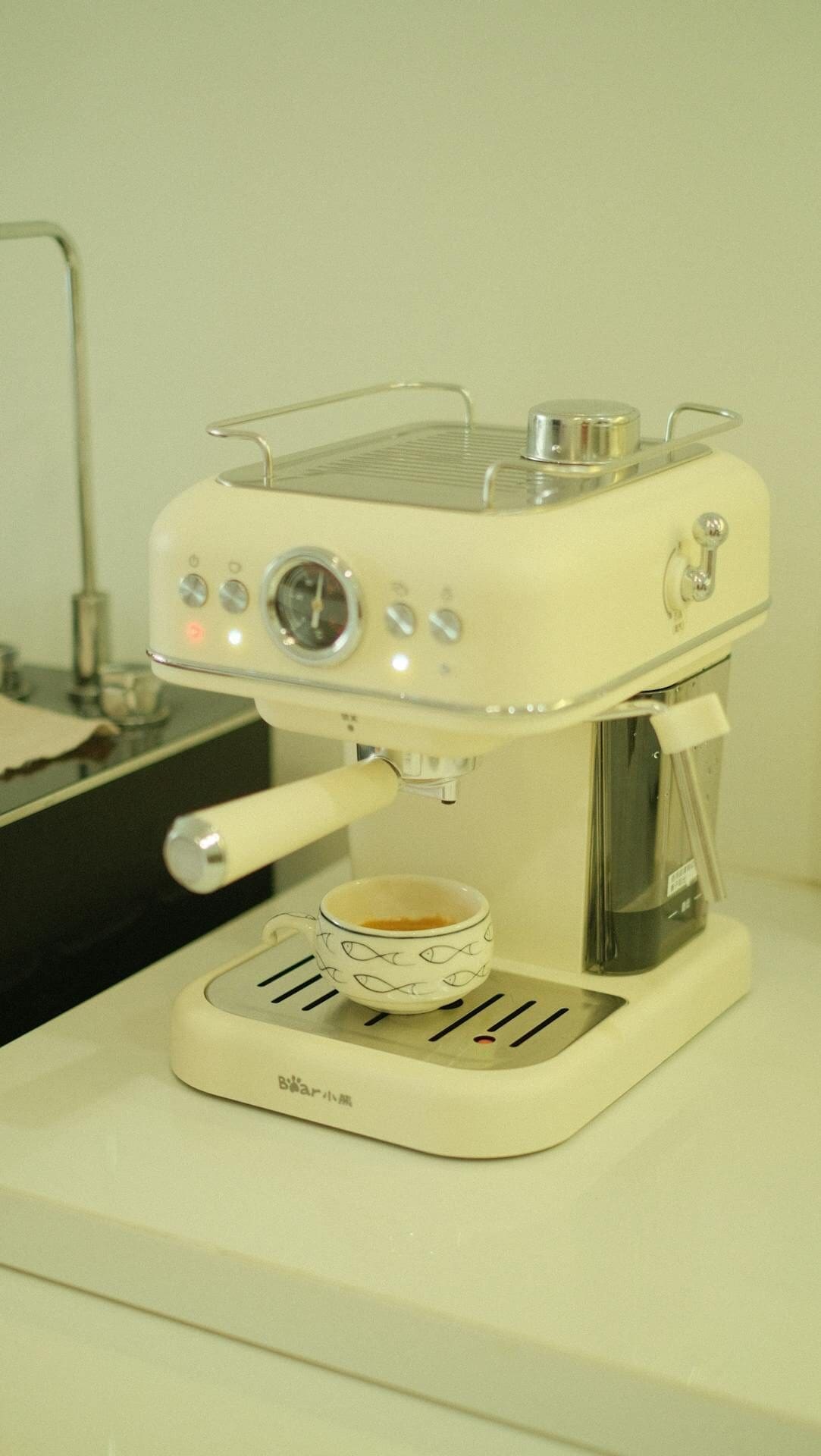
Compact espresso machines are not just smaller versions of full-size models. They have to solve a different kitchen problem: how to create a coffee station without taking over the counter. A narrow footprint helps, but true compact usability depends on how the machine is refilled, accessed, and used each day.
Espresso machines can demand surprising amounts of surrounding space. Cups, beans, towels, milk pitchers, and grinders all compete for room. A machine that looks small online can feel crowded if it requires extra clearance on every side.
The goal is not to buy the tiniest machine possible. The goal is to choose one that fits your counter and still leaves the process comfortable.
Measure the Full Coffee Zone
Start by measuring the area where the machine will actually live. Include cabinet height, depth to the backsplash, and the space needed to open water tanks or remove trays. A machine that fits the rectangle may still be difficult if access points are blocked.
Small kitchens reward thoughtful placement. If the grinder, cups, and coffee are stored nearby, the routine feels contained. If every step requires walking across the room, a compact machine may not feel as efficient as expected.
Apartment Counters
Apartment counters often have limited depth and shared prep space. A compact espresso setup should leave enough room for basic cooking tasks, not permanently claim the entire surface.
Water Reservoir Access Is a Big Deal
Top-loading reservoirs can be awkward under cabinets, while rear reservoirs may be difficult against a wall. Side or front access can be more practical in tight spaces, depending on the counter layout. This detail deserves attention before size or finish.
Refilling water is not a rare event for regular espresso drinkers. If the reservoir is annoying to reach, the machine will feel more demanding than it should. A compact model with smart access can outperform a smaller machine with poor ergonomics.
Cabinet Clearance
Cabinet clearance affects reservoir access and cup movement. Always check height with the machine open or in use, not just its closed dimensions.
- Machine width and depth
- Cabinet clearance above the reservoir
- Room for cups and pitcher
- Nearby storage for beans
- Power outlet location
- Drip tray removal space
Built-In vs. Separate Grinder in Small Kitchens
An integrated grinder can save space by keeping the setup in one footprint. That can be appealing for apartments, galley kitchens, or shared counters. It also reduces the number of cords and separate appliances competing for attention.
A separate grinder may still be better if you have a dedicated shelf or coffee cart. It can offer flexibility while keeping the machine itself smaller. The choice depends on whether your space is limited horizontally, vertically, or both.
Coffee Cart Setups
A coffee cart can solve counter crowding if it has stable surfaces and nearby power. It can also separate espresso gear from food prep areas in a small kitchen.
Milk Features in a Tight Coffee Station
Milk drinks require more movement than straight espresso. A steam wand needs side clearance, a pitcher needs landing space, and cups need room to shift. In a compact kitchen, these details can decide whether milk drinks feel realistic.
Automatic milk systems may reduce technique, but they can introduce extra containers or parts. Manual wands may be simpler mechanically, yet they need a comfortable working angle. Shoppers should picture the whole milk routine before choosing.
Minimal Accessories
Compact setups work better with fewer loose accessories. Prioritize tools you will use daily and avoid building a station around occasional extras.
- Choose front or side access when possible
- Keep mugs near the machine
- Avoid oversized accessory collections
- Use vertical storage if counter width is limited
- Match milk features to available movement
Small Machines for Shared or Occasional Use
Compact machines can work well in shared spaces when controls are obvious and cleanup points are easy to reach. Occasional users may benefit from simpler machines that do not require a large coffee station. Daily users may want more capability, even if that means accepting a slightly larger footprint.
Choosing Compact Without Feeling Limited
A compact espresso machine should make the kitchen feel more useful, not more crowded. Prioritize access, workflow, and storage around the machine. When the surrounding setup makes sense, a smaller model can feel surprisingly complete.