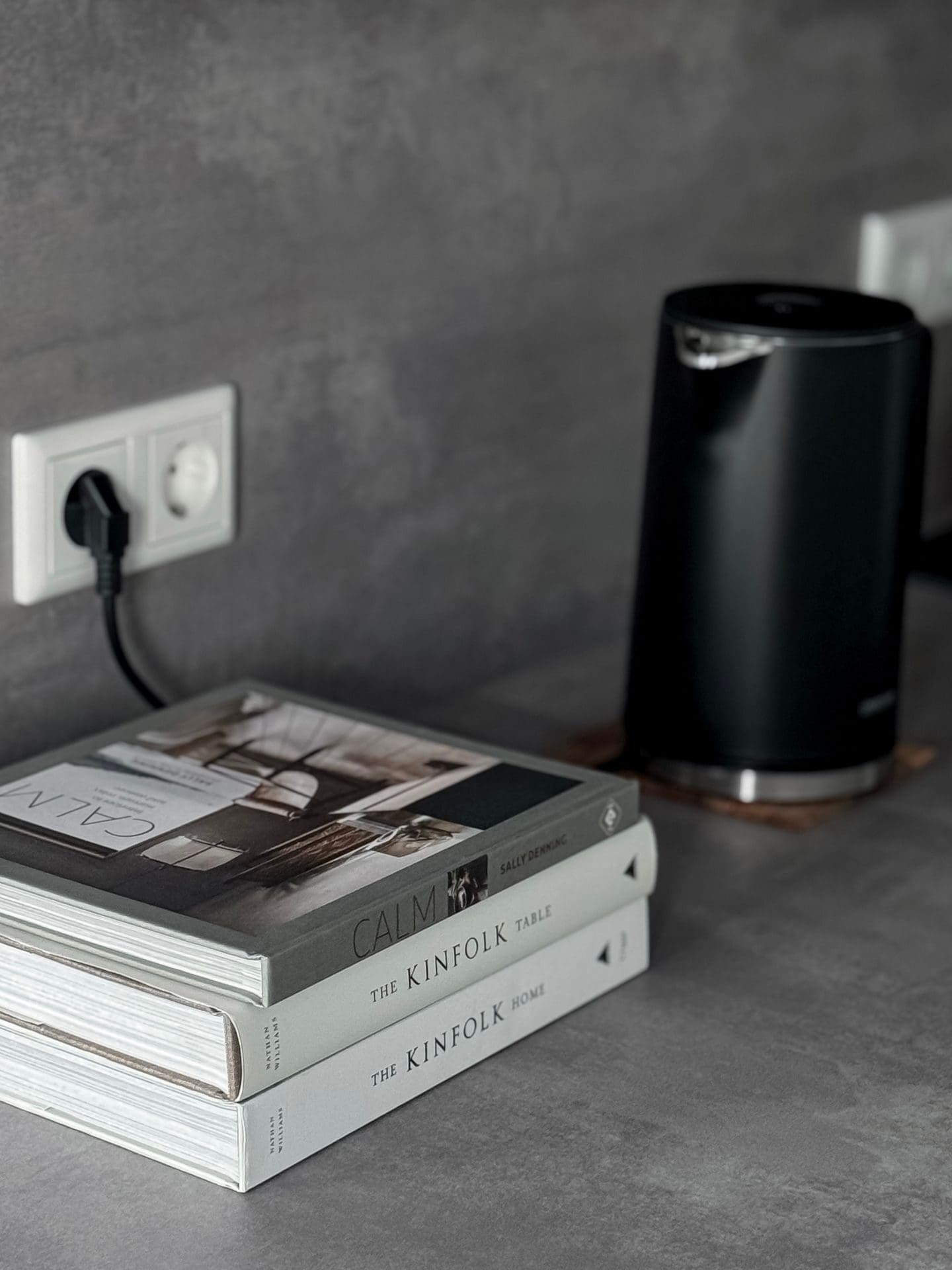
Compact Electric Kettles for Small Kitchens and Desks
Compact Electric Kettles for Small Kitchens and Desks is a pre-purchase guide for shoppers comparing electric kettles before adding another appliance to the counter. The goal is to make the choice feel practical, not overwhelming, by focusing on how the kettle will actually be used day after day.
Why Compact Electric Kettles Make Sense in Tight Spaces
Compact electric kettles are designed for people who want quick hot water without giving up much counter space. They work well in apartments, dorms, offices, guest rooms, and small kitchens where every appliance has to earn its place. The appeal is not only smaller size; it is the way a compact kettle can make a limited space feel more functional.
A small kettle should still feel like a real appliance, not a compromise. The best compact choice heats enough water for your routine, pours cleanly, and stores without turning the counter into a cluttered appliance row. That requires looking at shape, cord management, base size, and fill capacity together.
Capacity Is the First Compact Kettle Tradeoff
Compact kettles often hold less water than full-size models, which is part of their charm and their limitation. A smaller capacity can heat quickly and reduce wasted water, but it may feel inconvenient if several people need hot drinks at once. The ideal size depends on how many servings you expect before refilling.
For solo use, a small kettle can be excellent. For a shared office corner or household with multiple tea drinkers, it may require more frequent refills. That is not always a problem, but it should be understood before buying.
Compact Kettle Shapes Are Not All Equally Space Saving
A kettle can have a small capacity but still take up more room than expected if it has a wide base or bulky handle. Tall, narrow designs often fit better beside a mug station or on a desk. Shorter kettles may store more easily in a cabinet but can occupy a broader footprint while in use.
Look at the base and handle, not just the body. A rotating base may be convenient, but it still needs space around it. If the kettle will live near a wall, shelf, or monitor, the handle direction and lid clearance become part of the buying decision.
Small-space details worth checking
Compact shoppers should pay attention to the parts that are easy to miss in product photos:
- Base diameter and cord exit direction
- Minimum fill line for single servings
- Handle clearance near walls or other appliances
- Lid opening style under cabinets or shelves
- Weight when the kettle is full
Using an Electric Kettle at a Desk or Office Station
A desk-friendly electric kettle needs more than a small footprint. It should feel stable, have a safe auto shutoff, and pour without forcing you to move papers, electronics, or other items out of the way. Cord length and outlet location matter more in office setups than in kitchens.
Noise can also influence the choice. Some kettles are louder as they heat, which may be distracting in shared spaces. If the kettle will be used near calls or quiet work areas, a simple, stable, modest-capacity model may be more appropriate than a high-powered design built for speed above all else.
Dorms, Guest Rooms, and Secondary Spaces
Compact electric kettles are often used outside traditional kitchens, but that makes careful buying even more important. A dorm or guest room setup may have fewer safe surfaces, limited outlets, and less storage. A kettle with a secure base and straightforward controls can reduce friction for people who may not use it every day.
For guest spaces, simplicity is especially valuable. Visitors should not need instructions to boil water. A visible water level, clear on/off switch, and automatic shutoff make the kettle easier to use confidently.
When Compact Is Too Small
Small is not always the right answer. A compact kettle may become annoying if it requires constant refilling or cannot handle your usual brewing setup. If you regularly fill a large teapot, prepare several mugs, or share hot water with more than one person, stepping up slightly in capacity may be smarter.
The goal is not to buy the smallest possible kettle. It is to buy the smallest kettle that comfortably supports the way you use hot water. That distinction helps avoid underbuying.
A Simple Buying Path for Compact Electric Kettles
Compact kettle shopping works best when you start with space constraints and then test capacity against real use. If the kettle fits beautifully but cannot make enough water, it will frustrate you. If it holds plenty but dominates the counter, it defeats the purpose.
Use this order when narrowing options:
- Measure the counter, shelf, desk, or storage area first.
- Estimate how many mugs you need per heating cycle.
- Check the base size and cord placement.
- Prioritize simple controls in shared or guest spaces.
- Choose a shape that pours comfortably in the actual location.
Final Thoughts on Compact Electric Kettles
A compact electric kettle should make a small space easier to live or work in. The right one balances modest capacity, stable design, comfortable pouring, and a footprint that feels intentional. It should not feel like a miniature appliance that sacrifices too much usability.
Think about the exact place it will sit and the number of servings it needs to handle. That practical picture will guide you toward a compact kettle that feels useful every day.