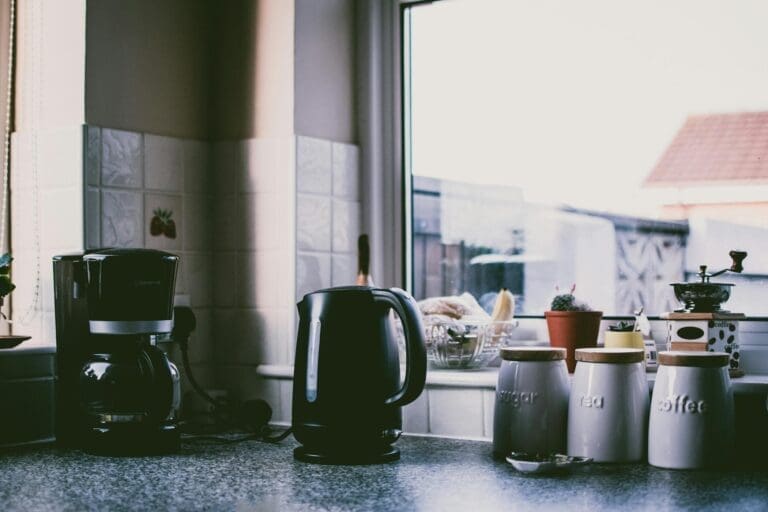
How do you clean and descale an electric kettle? (Vinegar vs. citric acid)
Introduction
Keeping your electric kettle clean is essential for both performance and taste. Over time, mineral deposits build up inside your kettle, especially in areas with hard water. This process is known as scaling, and it can slow down heating, increase energy costs, and make your drinks taste flat. Thankfully, descaling is easy with common household items like vinegar or citric acid.
Why you need to descale
Limescale acts as an insulator, forcing the kettle to use more electricity to boil water. It also shortens the life of your appliance. Cleaning your kettle regularly ensures that you continue to benefit from having the best electric kettle for energy efficiency and taste.
Using vinegar to clean
- Fill the kettle halfway with equal parts white vinegar and water.
- Bring the solution to a boil, then unplug the kettle.
- Let it sit for 20–30 minutes to break down limescale.
- Discard the solution and rinse thoroughly.
Using citric acid
- Dissolve 1–2 tablespoons of citric acid powder per liter of water.
- Boil the solution and allow it to soak for 15–20 minutes.
- Empty, rinse, and boil a fresh batch of clean water before use.
Alternative cleaning methods
Lemon juice and baking soda can also be used to descale an electric kettle. These natural cleaners are gentle but effective. Lemon juice works similarly to citric acid, while baking soda can be used as a mild abrasive on the kettle’s interior.
How often should you clean?
If you live in a hard water area, clean your kettle every 2–4 weeks. In soft water areas, once every 1–2 months is usually enough. Regular descaling not only helps the kettle perform better but also keeps your hot drinks tasting fresh.
Common mistakes to avoid
- Never submerge an electric kettle base in water.
- Don’t use harsh chemical cleaners that could damage the heating element.
- Avoid leaving vinegar in the kettle for more than an hour, as it can wear on seals.
FAQ
Can vinegar damage a stainless steel kettle? Not if used correctly. A short soak is safe, but rinse well afterward.
Which is better, vinegar or citric acid? Both work. Vinegar is cheap and available, but citric acid leaves no smell.
Do I need special cleaners? No—household items work perfectly well.
Conclusion
Maintaining a clean kettle ensures better taste, longer life, and more efficient performance. Whether you prefer vinegar, citric acid, or lemon juice, the key is regular care. With these tips, your electric kettle will continue to provide reliable, clean boiling water for years to come.