Car Stereo Buying Guide: DIN Size, Power and Outputs
Chassis size dictates which units physically fit your dashboard, and it is the first thing to establish before browsing features. Power output specifications are frequently misleading, so knowing which figure to read saves disappointment. Preamp outputs determine your upgrade path if you plan to add amplifiers later. Source options and control layout decide how usable the unit is while driving.
Chassis Size and Dash Fit
Single-DIN units measure about two inches tall, double-DIN about four, and your dash opening determines which will fit. Some vehicles accept either with the right kit, while others are fixed.
Depth behind the opening matters as much as the face size, because wiring harnesses and connectors need clearance. Shallow-mount chassis exist specifically for vehicles with limited depth.
Power Output: RMS Versus Peak
Peak power figures printed on the box are marketing numbers and tell you little. Continuous RMS power per channel is the specification that predicts how the unit drives your speakers.
Most built-in amplifiers produce somewhere between 15 and 22 watts RMS per channel regardless of the peak claim. If you want meaningfully more volume or better control of the speakers, an external amplifier is the answer.
Preamp Outputs and Upgrade Path
Preamp outputs let you feed external amplifiers cleanly instead of tapping speaker wires. Three pairs give front, rear, and subwoofer control independently.
Preamp voltage matters, with higher output producing a better signal-to-noise ratio at the amplifier. Two volts is common and four or five volts is better if you plan a more capable system.
Sources, Connectivity, and Phone Integration
Bluetooth handles calls and streaming, but codec support determines audio quality. Check whether the unit supports higher-quality codecs if you listen critically.
A USB port that supports both charging and data is more useful than one that only charges. Confirm the current rating, since a low-output port charges a phone very slowly while it plays.
Controls, Display, and Driving Usability
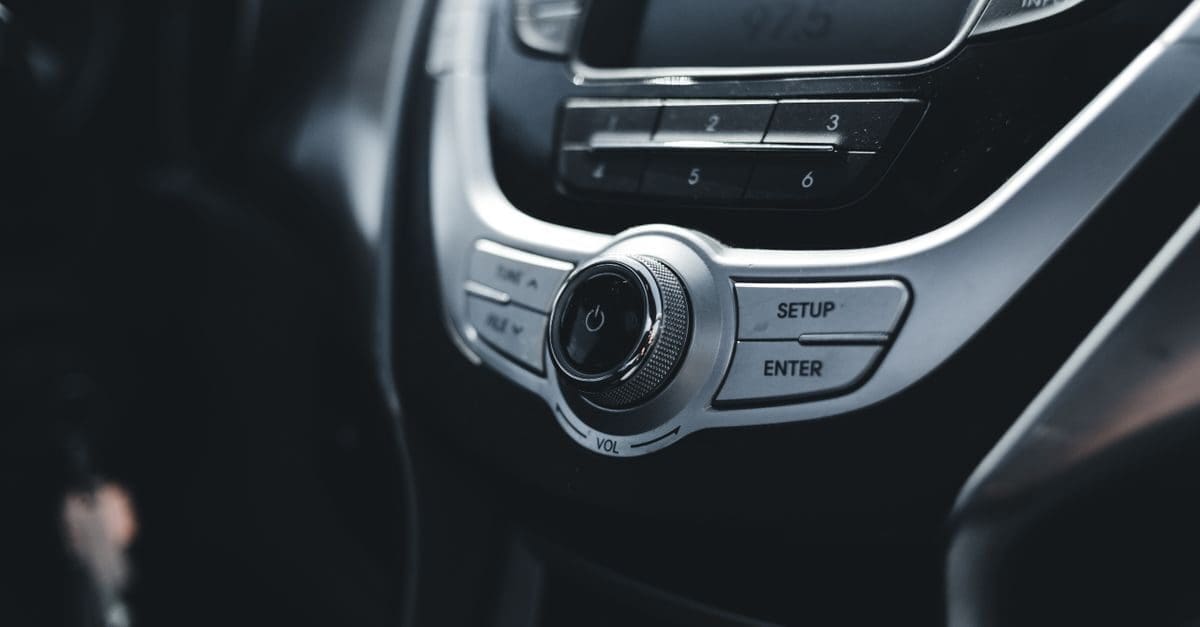
A physical volume knob is worth more than any menu feature because it can be adjusted without looking. Touch-only volume controls demand visual attention while driving.
Display brightness and dimming behavior matter at night. A unit with no proper night dimming becomes a distraction, so check whether it links to the headlight circuit.
Installation, Harnesses, and Feature Retention
A vehicle-specific wiring harness adapter avoids cutting factory wiring and makes the installation reversible. This matters for resale and for troubleshooting later.
Steering wheel controls, factory amplifiers, and reversing cameras usually need interface modules to carry over. Identify what your vehicle requires before buying, since these modules add meaningfully to the cost.
What to Check Before You Buy
- Establish whether your dash takes a single-DIN or double-DIN chassis.
- Measure the depth available behind the opening.
- Compare RMS power per channel rather than peak figures.
- Count preamp output pairs if you plan to add amplifiers.
- Check preamp voltage for a cleaner signal to the amplifier.
- Confirm Bluetooth codec support if audio quality matters.
- Prefer a physical volume knob for safe adjustment.
- Budget for a vehicle-specific harness and any interface modules.
How to Choose a Car Stereo
Establish the physical and electrical constraints of your vehicle first, since those narrow the field faster than any feature comparison.
- Identify your dash chassis size and available depth.
- List the factory features you need to retain.
- Source the correct harness and interface modules.
- Compare RMS power and preamp outputs against your plans.
- Check connectivity, codec support, and USB capability.
- Confirm the control layout works without looking away.
Ready to shop? Browse our full list of Car Stereos to compare current options and prices.