Drip Coffee Makers vs. Single-Serve Machines: What to Know
The Real Difference Between Drip Coffee Makers and Single-Serve Machines
Drip coffee makers and single-serve machines solve different problems, even though both sit in the same appliance category. A drip machine is built around a pot, making it better for multiple cups or shared mornings. A single-serve machine focuses on speed, portion control, and individual preferences.
The right answer depends less on which format is more popular and more on how coffee gets consumed in your home. If everyone drinks at once, a pot can feel effortless. If people want different strengths, flavors, or schedules, single-serve convenience may be easier to justify.
When a Drip Coffee Maker Makes More Sense
A drip machine shines when several cups are needed within the same window of time. It keeps the process simple: add water, add grounds, start the cycle, and pour as needed. For households that drink multiple mugs, that familiar workflow can be more efficient than brewing one cup at a time.
Drip models also tend to feel natural for people who like to control their own coffee grounds. You can choose grind, amount, and roast without being tied to portioned formats. That flexibility matters when coffee is a daily staple rather than an occasional convenience.
The shared-pot advantage
A full pot works well when several people drink coffee within the same window. It creates one simple brewing cycle instead of several individual ones.
When a Single-Serve Machine Fits Better
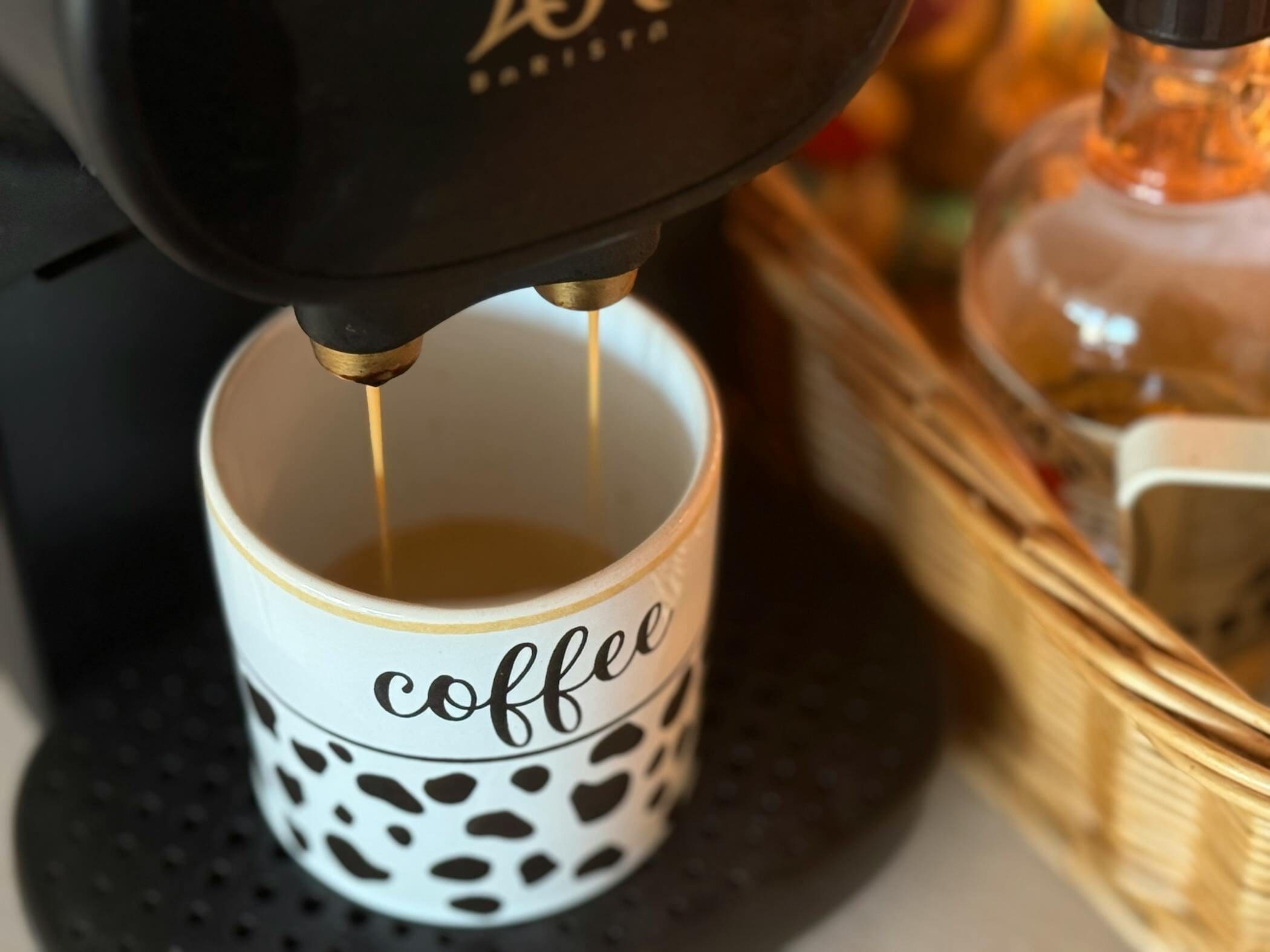
Single-serve machines appeal to people who value speed and variety. They can be especially useful in apartments, offices, guest spaces, or households where coffee drinkers are on different schedules. The ability to make one cup without committing to a full pot reduces waste for light drinkers.
That convenience comes with tradeoffs. Portion packaging, ongoing supply cost, and machine compatibility all deserve attention before buying. A single-serve system should be chosen with the long-term routine in mind, not just the quick first cup.
The one-cup advantage
Single-serve machines favor independence and speed. They are especially convenient when people want coffee at different times or in different amounts.
Cost, Waste, and Daily Value
The purchase price is only one piece of the decision. Drip coffee makers often have lower ongoing costs because they use standard grounds and filters. Single-serve machines can cost more per cup, especially when convenience portions are used daily.
Look at the practical cost drivers before choosing:
- How many cups are made each day
- Whether several people use the same machine
- The cost of grounds, filters, pods, or capsules
- How often coffee is wasted from an unfinished pot
- Storage space for coffee supplies and accessories
Supply storage matters
The machine is only part of the footprint. Filters, pods, grounds, and accessories all need a practical place to live.
Counter Space and Storage Differences
Single-serve machines can look compact, but the total setup may require more storage than expected. Cups, pods, adapters, or water filters may need their own drawer or shelf. Drip machines can be bulkier on the counter but simpler behind the scenes.
Consider vertical clearance, water access, and where supplies will live. A tidy coffee station is easier to maintain when the machine and its daily materials fit together. The best format is the one that works with your kitchen layout instead of fighting it.
Coffee Quality and Control
Drip machines usually offer more control over the coffee itself, especially for shoppers who care about grind size, coffee quantity, and freshness. Single-serve systems often trade that control for repeatability. Neither is automatically better; they simply favor different priorities.
Flavor expectations should be realistic. A simple drip coffee maker can produce satisfying coffee with the right grounds and ratios, while a single-serve machine may be more consistent for people who do not want to measure anything. The buying choice should reflect how hands-on you want to be.
Flavor flexibility
Drip machines often give more room to adjust the coffee itself. Single-serve formats trade some of that flexibility for consistency and convenience.
Choosing Between the Two
Use your daily pattern as the deciding framework. Do not choose a single-serve machine only because it seems modern, and do not choose a drip model only because it feels familiar. Each format can be excellent when matched to the right household.
- Choose drip if multiple mugs are needed at once.
- Choose single-serve if people drink on different schedules.
- Choose drip if ongoing cost per cup matters most.
- Choose single-serve if portion control and speed matter more.
- Choose based on your supply storage, not just machine size.
Drip coffee makers and single-serve machines are not interchangeable purchases. One is designed around shared volume and flexible grounds; the other is designed around speed, simplicity, and individual cups. The better choice is the one that supports the way coffee already fits into your day.
Think beyond the first week of ownership. Consider cost, storage, serving habits, and the number of people using the machine. Those details usually point clearly toward one format.