How to Choose a Knitting Machine
Needle count and gauge decide the range of yarn weights and garment sizes a knitting machine can handle. The mechanism type, whether manual crank or punch-card patterning, and build quality shape both speed and reliability. Ease of setup and yarn compatibility affect how quickly projects come together. Matching the needle bed and features to your projects keeps knitting fast and frustration low.
Machine Type and Mechanism
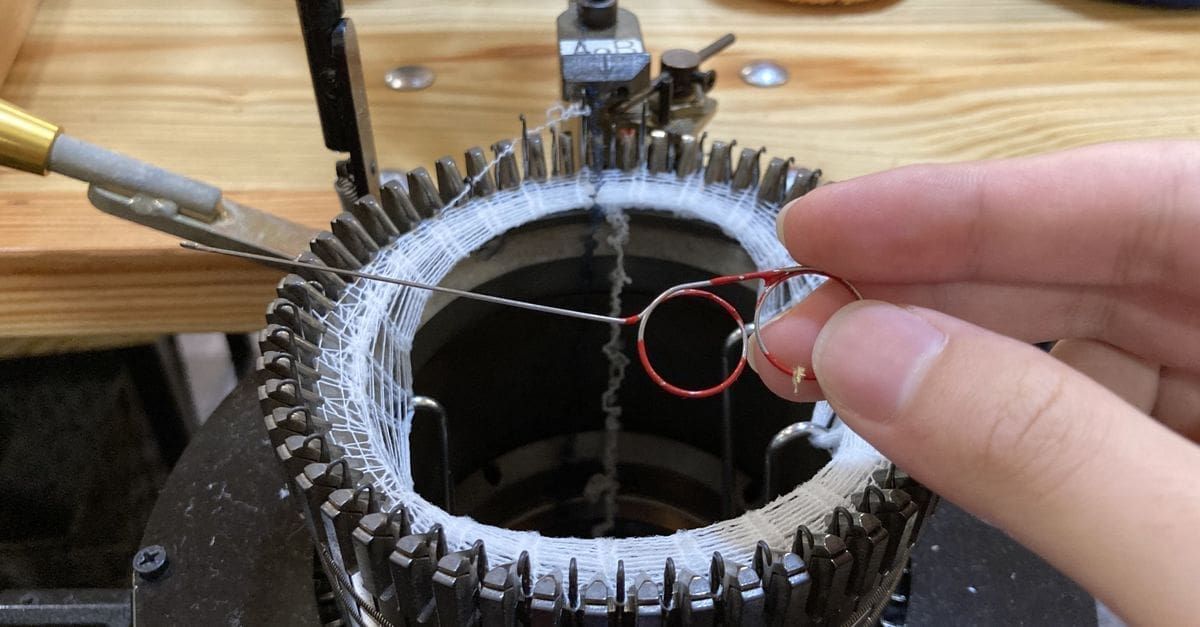
Circular hobby machines knit tubes and flat panels quickly with a hand crank, suiting hats, scarves, and simple garments. Flatbed machines offer more control and patterning but ask for more setup and skill.
Punch-card and electronic machines automate stitch patterns, while basic manual models keep things simple. Your ambitions, from quick accessories to shaped garments, should guide the type.
Needle Count and Gauge
More needles allow wider pieces and larger garments, while the gauge sets how fine or chunky the knit turns out. A standard-gauge bed suits finer yarns, and a bulky gauge handles thicker wool.
Match the needle count to the widest piece you want to knit without seaming multiple panels. Consider whether one gauge covers your projects or whether you knit both fine and chunky work.
Yarn Compatibility
Each machine has a yarn-weight range it feeds smoothly, and using yarn outside that range causes dropped stitches and jams. Standard-gauge machines favor fingering to sport weights, while bulky machines take worsted and heavier.
Textured or novelty yarns can snag the mechanism, so check what the machine tolerates before buying special yarns. A tension unit that adjusts to the yarn keeps stitches even across a row.
Patterning and Stitch Options
Punch-card systems repeat colorwork and texture patterns reliably, expanding what you can make beyond plain stockinette. Manual machines let you hand-manipulate stitches for lace and cables with more effort.
Electronic machines store patterns digitally for complex designs, at a higher price. Think about whether you want plain fast knits or intricate patterned pieces.
Build Quality and Stability
A sturdy frame clamped to a table stays put as you crank, keeping tension consistent and stitches even. Flimsy plastic beds flex and drop stitches, undermining the speed a machine is meant to provide.
Metal needles and quality carriages glide smoothly and last, while cheap parts wear and stick. A stable clamp or stand is central to reliable knitting, since movement causes errors.
Setup, Learning, and Support
Clear instructions and available tutorials shorten the learning curve, which is real even on hobby machines. A machine with an active user community and spare parts is easier to live with long term.
Consider how much assembly and tensioning each session needs, since a fiddly setup discourages quick projects. Included tools like a cast-on comb, weights, and a latch tool help you start cleanly.
What to Check Before You Buy
- Match the machine type to quick accessories or shaped garments.
- Choose a needle count wide enough for your largest pieces.
- Confirm the gauge suits the yarn weights you knit.
- Check the yarn-weight range to avoid dropped stitches and jams.
- Decide whether punch-card or electronic patterning matters to you.
- Prefer a sturdy frame with a secure clamp or stand.
- Look for metal needles and smooth carriages for durability.
- Confirm clear instructions, tutorials, and spare-part availability.
How to Choose a Knitting Machine
Start with the projects you want to make, then weigh machine type, needle count, and patterning against build quality and support.
- Decide whether you want fast simple knits or patterned garments.
- Choose a needle count and gauge suited to your pieces and yarn.
- Confirm the yarn-weight range matches your stash and plans.
- Pick a patterning system that fits your design ambitions.
- Check the frame is sturdy and clamps securely for even tension.
- Confirm good instructions, tutorials, and available spare parts.
Ready to shop? Browse our full list of Knitting Machines to compare current options and prices.