How to Choose a Shower System
Valve type and the mix of components decide whether a complete shower system delivers steady, coordinated performance or a patchwork of mismatched parts. Water pressure needs, finish, and installation complexity shape the result. Function control and build quality affect daily use. Matching the system’s demands to your plumbing keeps the whole shower working together rather than fighting your supply.
System Components and Configuration
A complete system typically bundles a valve, an overhead outlet, a handset, and sometimes body sprays, so the parts are designed to work together. Buying a matched set avoids mixing finishes and fittings that never quite align.
Consider which outlets you will use, since more components draw more water and cost more. A focused system with the functions you need often outperforms an elaborate one that overwhelms your supply.
Valve Type and Temperature Control
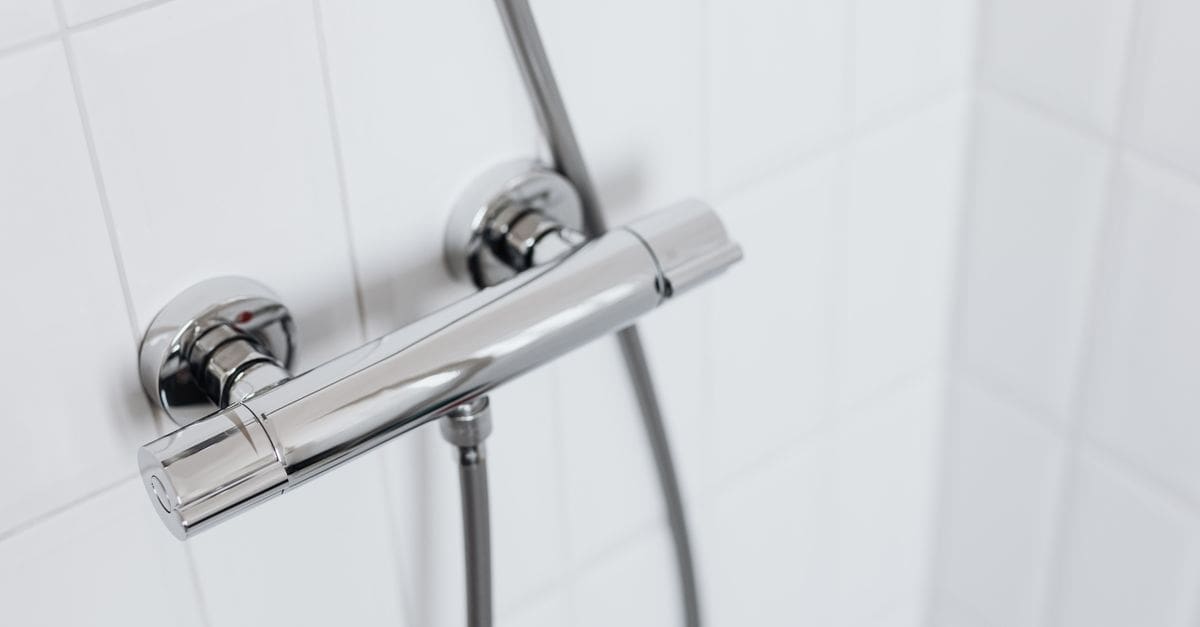
A thermostatic valve holds your set temperature and protects against scalding when water is drawn elsewhere in the house. Pressure-balancing valves cost less but only guard against sudden temperature swings, not precise control.
Separate volume and temperature controls make setting the shower easy and repeatable. Anti-scald protection matters in households with children or older users, so the valve choice affects both comfort and safety.
Water Pressure Requirements
Systems running an overhead and sprays together demand more flow, so low pressure can leave everything weak at once. Checking your household pressure against the system’s requirements is the key to satisfaction.
Gravity-fed homes may need a pump to run a full system well, while mains-pressure setups usually cope. Understanding your supply before buying prevents a disappointing, underpowered shower.
Diverter and Function Switching
A diverter routes water between the overhead, handset, and any body sprays, letting you use one function at a time. This suits modest systems where running everything together would strain the supply.
Some systems allow simultaneous outlets where pressure permits, for an immersive shower. Decide whether you want to switch or combine functions, since that shapes the valve and diverter you need.
Finish, Material, and Durability
Solid brass bodies with quality plated finishes resist corrosion and hold up to constant moisture, while cheaper alloys can pit over time. A coordinated finish across all parts keeps the look clean.
Ceramic disc cartridges in the valve last longer and drip less than rubber washer designs. Check the internal quality, since a beautiful exterior means little if the valve fails early.
Installation and Compatibility
Concealed systems hide the valve in the wall for a sleek look but need access during installation, while exposed systems mount on the surface and install more simply. The choice affects both aesthetics and the work involved.
Confirm the inlet spacing and connections match your plumbing, and whether the wall can house a concealed valve. Planning the install realistically avoids surprises once the tiles are open.
What to Check Before You Buy
- Choose a matched set so components and finishes align.
- Decide which outlets you will use to size the system.
- Prefer a thermostatic valve for stable, scald-safe temperatures.
- Check your water pressure supports all outlets together.
- Confirm a diverter suits switching between functions.
- Select solid brass bodies and ceramic disc cartridges.
- Decide between a concealed or exposed installation.
- Verify inlet spacing and the wall suit the chosen valve.
How to Choose a Shower System
Start with your water pressure and plumbing, then weigh components, valve type, and installation against finish and durability.
- Confirm your pressure supports the outlets you want.
- Choose the components that match how you shower.
- Select a thermostatic or pressure-balancing valve.
- Decide whether to switch or combine functions.
- Pick durable brass bodies and quality cartridges.
- Choose a concealed or exposed install to suit your wall.
Ready to shop? Browse our full list of Shower Systems to compare current options and prices.