
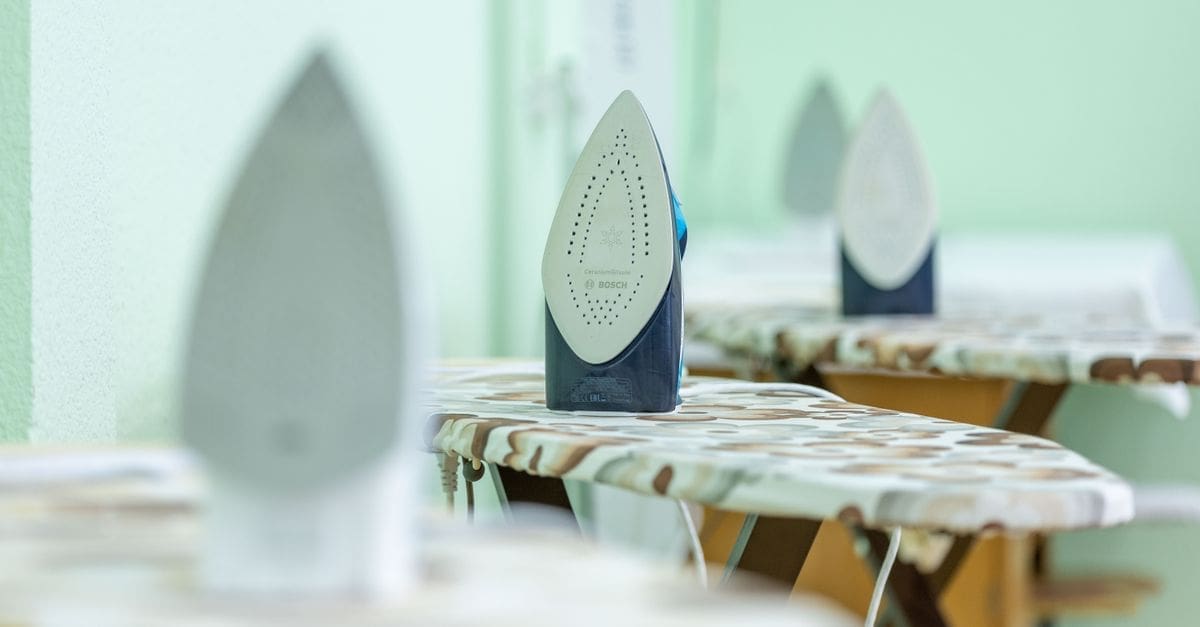
How to Choose an Ironing Board
Surface size and leg stability decide whether a freestanding ironing board makes pressing smooth or shaky. Height adjustment, the cover and padding, and the iron rest shape comfort and results. Weight, folding, and storage affect daily convenience. Matching the board dimensions and stability to your garments and space keeps ironing steady and comfortable.
Board Size and Shape
A larger surface handles shirts, sheets, and trousers with fewer repositions, while a compact board suits small spaces and quick touch-ups. A tapered nose eases pressing around collars, cuffs, and sleeves.
Consider the garments you iron most, since bedding and dress shirts benefit from a wider board. Balance the surface size against how much room you have to store and set it up.
Height Adjustment and Ergonomics
A board that adjusts through a wide height range suits seated and standing ironing and different users, easing back strain. A locking mechanism that holds each height firmly keeps the board steady.
Setting the board to your elbow-friendly height reduces fatigue over a full basket. Consider who irons most so the range covers their comfortable working height.
Leg Stability and Build
A wide, well-braced leg frame resists the wobble that firm pressing introduces, central to a stable board. Rubber-tipped feet grip the floor and stop the board sliding or rocking.
A sturdy metal frame holds shape under pressure and lasts, while flimsy legs flex and feel unsafe. Check the locking and joints, since these carry the load during use.
Cover, Padding, and Heat Handling
A heat-reflective, well-padded cover speeds pressing by bouncing heat back through the fabric. Firm yet cushioned padding gives a smooth surface without slipping.
A snug, replaceable cover keeps the board usable for years as covers wear. Scorch-resistant materials around the surface handle the heat of regular ironing.
Iron Rest and Cord Management
A heat-safe iron rest holds the iron upright between passes, and a cord holder keeps the lead out of your way. These small features make ironing safer and less awkward.
A stable rest that does not tip when you set the iron down matters for safety. Consider whether the board suits the weight of your iron on its rest.
Folding, Weight, and Storage
A board that folds flat and stands or hangs for storage tucks into a closet or against a wall. A manageable weight makes setting up and putting away less of a chore.
The folded profile decides how easily it stores in a tight home. Weigh a large, stable board against the space you have to store it between uses.
What to Check Before You Buy
- Choose a board size suited to your garments and space.
- Confirm a wide height range with firm locking.
- Prefer a wide, braced leg frame with grippy feet.
- Look for a heat-reflective, well-padded, replaceable cover.
- Check a stable, heat-safe iron rest is included.
- Consider a cord holder to keep the lead clear.
- Confirm the board folds flat for your storage.
- Weigh stability against a manageable setup weight.
How to Choose an Ironing Board
Start with your garments and space, then weigh surface size, height range, and stability against cover quality and storage.
- Choose a surface size suited to the garments you press.
- Confirm the height range and locking fit your comfort.
- Check the legs are wide, braced, and grip the floor.
- Prefer a padded, heat-reflective, replaceable cover.
- Confirm a stable iron rest and cord management.
- Check the folded size suits your storage space.
Ready to shop? Browse our full list of Ironing Boards to compare current options and prices.


