Motorcycle Jacket Buying Guide: Material, Armor and Fit
A riding jacket is the main thing standing between your skin and the pavement if you go down. Abrasion resistance, impact armor and certification decide how much protection it offers. Ventilation, weatherproofing and fit decide whether you will wear it on every ride. Compare these features before choosing one.
Leather vs Textile
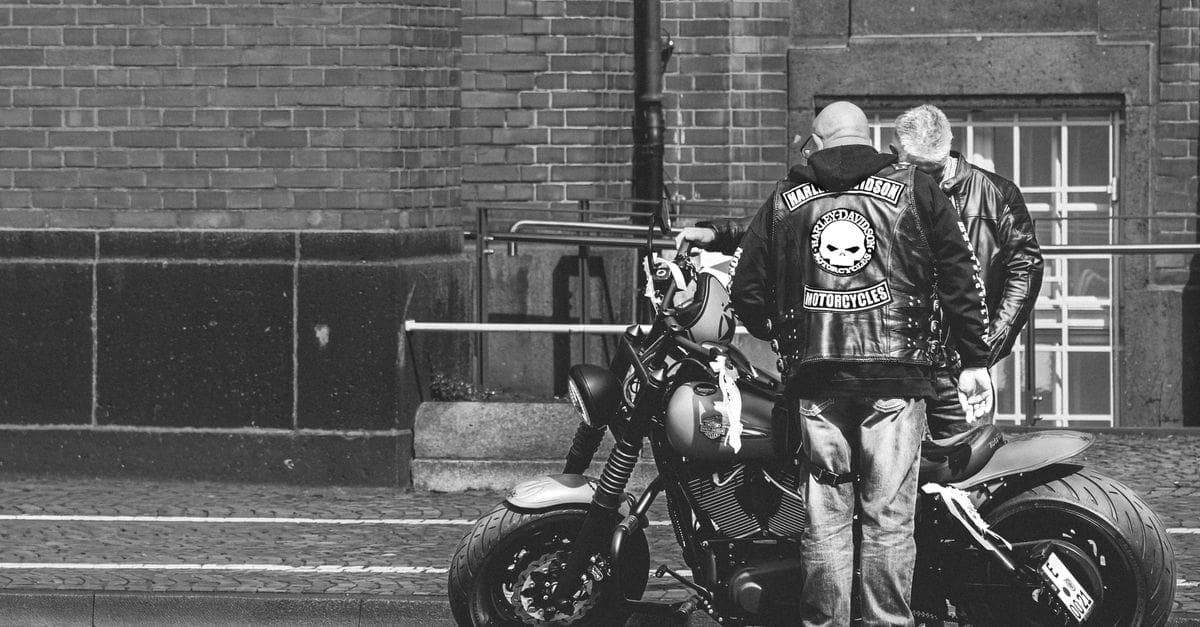
Cowhide and kangaroo leather offer excellent abrasion resistance and conform to your body over time, which is why they remain popular for sport and cruiser riding. Leather can feel hot in summer and needs conditioning to stay supple.
Textile jackets made from Cordura, ballistic nylon or similar fabrics add weather protection, vents and pockets at a lower weight. They suit touring, commuting and riding in changing weather.
Armor and Certification
Look for CE-rated armor at the shoulders and elbows and a back protector pocket or insert. Level 2 armor absorbs more impact energy than Level 1, though it can be bulkier.
Jackets certified to EN 17092 have been tested as complete garments for abrasion, seam strength and tear resistance. Classes such as AA and AAA indicate higher protection.
Ventilation and Weather Protection
Zippered chest, arm and back vents push air through the jacket in hot weather, and mesh panels keep riders cooler on summer commutes. Vent placement matters more than vent count.
Removable thermal liners add warmth for cold mornings, and waterproof membranes or liners keep you dry in rain. Multi-season jackets combine both.
Fit and Riding Position
Sport jackets have pre-curved sleeves and a shorter cut for a forward riding position. Touring and adventure jackets are longer and roomier to fit over layers.
Try the jacket while sitting in a riding position to make sure armor stays over your shoulders and elbows. Sleeves should reach your wrists with arms extended.
Visibility and Features
Reflective piping and bright colors make you easier to see at night and in traffic. Hi-vis panels are especially helpful for commuters.
Jacket-to-pant connection zippers keep the jacket from riding up in a slide. Adjustable waist, sleeve and collar tabs help seal out wind.
What to Check Before You Buy
- Choose leather or textile.
- Check CE armor levels.
- Look for EN 17092 certification.
- Confirm ventilation and liners.
- Try fit in riding position.
- Check reflective panels.
- Look for jacket-to-pant zippers.
How to Choose a Motorcycle Jacket
These steps help find a protective jacket.
- Decide your riding style and climate.
- Choose leather or textile.
- Check armor and certification.
- Confirm ventilation and weather protection.
- Test fit in riding position.
- Check visibility features.
Ready to shop? Browse our full list of Motorcycle Jackets to compare current options and prices.