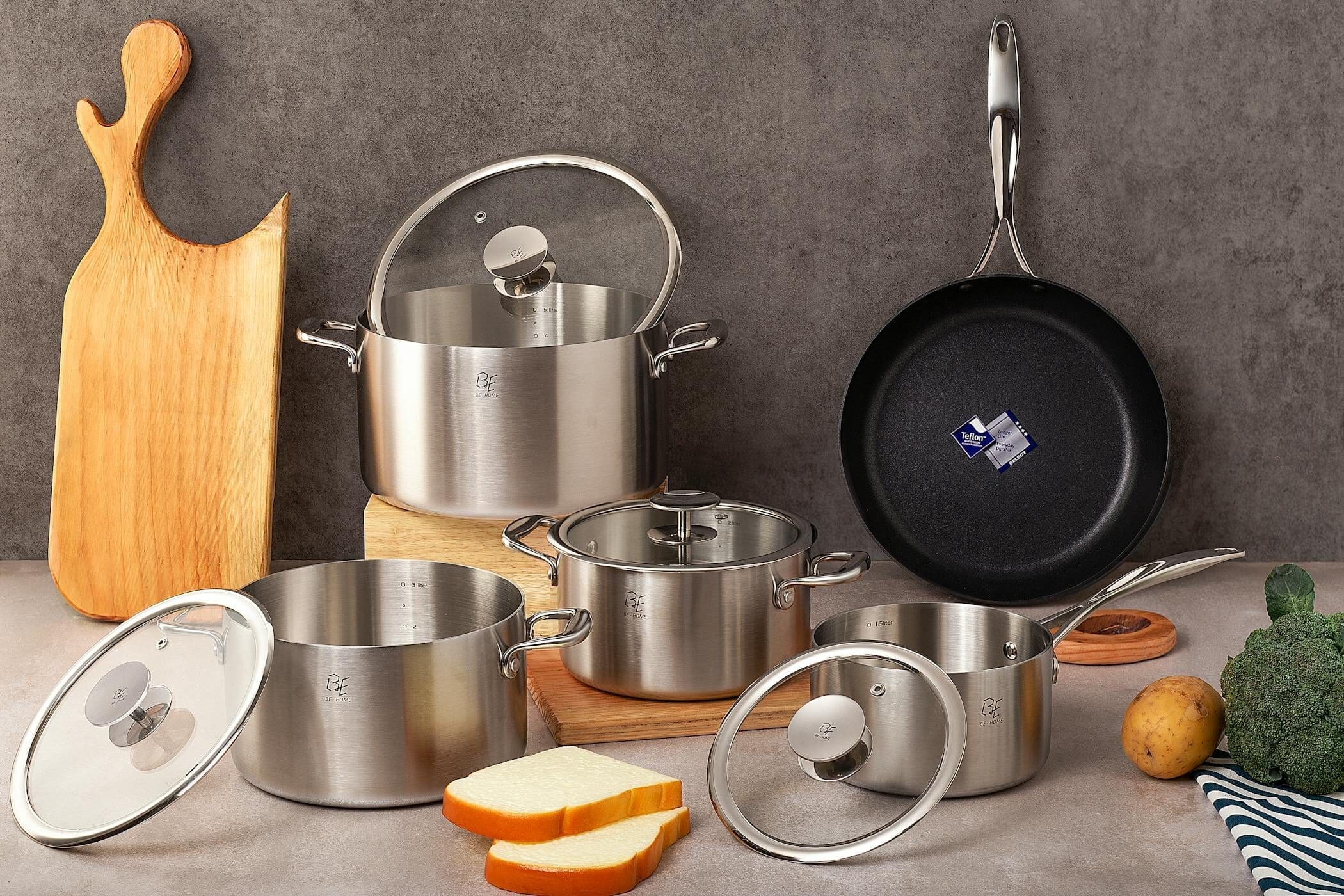
Stainless Steel vs Nonstick Cookware Sets: Which Belongs in Your Kitchen?
Cookware sets can look similar in a product grid, but stainless steel and nonstick versions behave very differently once they reach the stove. The right choice depends on how you cook, how much control you want over browning, and whether easy food release matters more than long-term surface durability. This comparison keeps the focus on pre-purchase decisions, not care routines or repair advice.
Cookware sets and the material decision that shapes everything
Material is the first real fork in the road. Stainless steel sets usually appeal to cooks who want searing ability, oven flexibility, and a surface that can handle more assertive cooking. Nonstick sets appeal to people who want easy release, lighter cleanup expectations, and a forgiving surface for eggs, pancakes, and delicate proteins.
Neither category is automatically superior. A household that cooks fast breakfasts and simple dinners may get more daily value from nonstick. Someone who wants deeper browning, pan sauces, and higher heat flexibility may feel limited by an all-nonstick set.
Why mixed expectations lead to bad purchases
Many disappointing purchases happen when a set is expected to do everything. Nonstick is not designed to replace every stainless task, and stainless steel is not as effortless with sticky foods. Being honest about your cooking style before buying prevents frustration later.
Where stainless steel cookware sets usually shine
Stainless steel is the more durable and versatile option for many kitchens. It handles browning well, tolerates metal-adjacent cooking environments better than coated surfaces, and often works nicely from stovetop to oven when the handles and lids allow it. For cooks who like control, stainless has a satisfying responsiveness.
The tradeoff is that stainless steel asks for a little more technique. Food release depends on heat, oil, and timing rather than a slick coating. That may be perfectly fine for a confident cook, but it can feel fussy for someone who wants low-effort meals.
- Good fit for searing, browning, and reducing sauces.
- Useful when oven-safe construction is a priority.
- Often a strong long-term value when built with sturdy bases.
- Less ideal for shoppers who want the easiest food release possible.
Where nonstick cookware sets make more sense
Nonstick cookware sets are popular because they make certain foods easier. They help with delicate items, quick lunches, and lower-oil cooking preferences. For many households, that convenience matters more than maximum searing performance.
The limitation is surface lifespan. Coated interiors are not the same as bare metal, so the purchase decision should include realistic expectations. A nonstick set can be a smart buy, especially for everyday convenience, but it should not be judged by the same durability standards as stainless steel.
The convenience factor is real
A set that makes weeknight cooking feel approachable may get used more often than a technically superior set that feels demanding. That matters for affiliate-style shopping decisions because value comes from repeated use, not just impressive specifications.
How heat performance changes the cookware set experience
Stainless steel cookware often includes layered or encapsulated bases to improve heat distribution. This can help with even browning and steady simmering, especially on responsive cooktops. Nonstick sets vary widely, with some lightweight pans heating quickly and others using heavier bodies for better control.
Shoppers should look beyond the surface material and consider the base. A flimsy pan can hot-spot regardless of coating, while a thoughtfully built pan can make cooking feel more predictable. Heat performance is one of the details that separates a useful set from a visually appealing bundle.
- Check whether the base is thick enough to resist warping.
- Confirm compatibility with your cooktop, especially induction.
- Look for oven-safe temperature details if you finish dishes in the oven.
- Consider weight if several people in the home will use the pans.
Piece selection in stainless and nonstick cookware sets
A stainless steel set can often justify deeper sauté pans and saucepans because the material supports a broad range of techniques. A nonstick set may be most valuable when it emphasizes skillets and everyday pans rather than large specialty pieces. The right piece mix should follow the strengths of the material.
Avoid paying for pieces that do not match the material’s role in your kitchen. For example, a large nonstick stock pot may not add much value if the coating is unnecessary for boiling or simmering. A stainless skillet may be excellent, but only if you are comfortable using it for foods that require timing and heat control.
A hybrid cookware approach can be smarter
Some shoppers may prefer one primary set plus a single supplemental pan in the other material. That is not a failure of the set; it is often a more realistic way to build a kitchen. The key is choosing the main set around the work it will do most often.
Budget and lifespan expectations before buying cookware sets
Price comparisons can be misleading because stainless and nonstick age differently. Stainless steel often costs more upfront for quality construction, but a well-built set may stay useful for many years. Nonstick can be more affordable and convenient, though the surface may not remain at peak performance indefinitely.
The better value depends on use. A cheaper set that fits your routine beautifully may beat an expensive set you avoid using. At the same time, a durable stainless set can be worth stretching for if you cook often and want long-term consistency.
How replacement cost changes the comparison
A lower upfront price can be appealing, but replacement timing belongs in the decision too. If you expect to refresh a coated set sooner, the long-term budget may look different than the shelf price suggests. Stainless steel may cost more at purchase while offering a longer planning horizon.
- Choose stainless if you value longevity and browning.
- Choose nonstick if easy release drives most of your meals.
- Consider mixed cookware if your cooking habits are split.
- Avoid judging value by piece count alone.
- Read oven-safe and cooktop compatibility details carefully.
How to choose between stainless steel and nonstick cookware sets
Start with the meals you actually cook, not the meals you imagine making someday. If your routine leans toward eggs, reheating, quick sautés, and simple proteins, nonstick may feel more useful. If you enjoy searing, simmering, and building flavor in the pan, stainless steel may give you more room to grow.
A good cookware purchase is less about winning a material debate and more about matching the set to your habits. Once you know what surface belongs at the center of your kitchen, piece count, pan sizes, handle comfort, and storage become much easier to compare.
Cookware Sets FAQs
These common questions can help narrow the purchase before you start comparing individual sets, piece counts, and materials.