What to Know Before Buying a Cat Window Perch
Window perches give indoor cats a front-row seat to the outdoor world, which is one of the most effective forms of environmental enrichment for cats that can’t go outside. Watching birds, squirrels, and passing activity stimulates the natural prey drive and reduces boredom-related behaviors. Choosing the right window perch means matching the mounting system to your specific window type, confirming the platform is large enough for your cat to lounge comfortably, and ensuring the weight capacity is sufficient. A perch that shifts, creaks, or collapses during use will not be revisited.
Mount Types and Window Compatibility
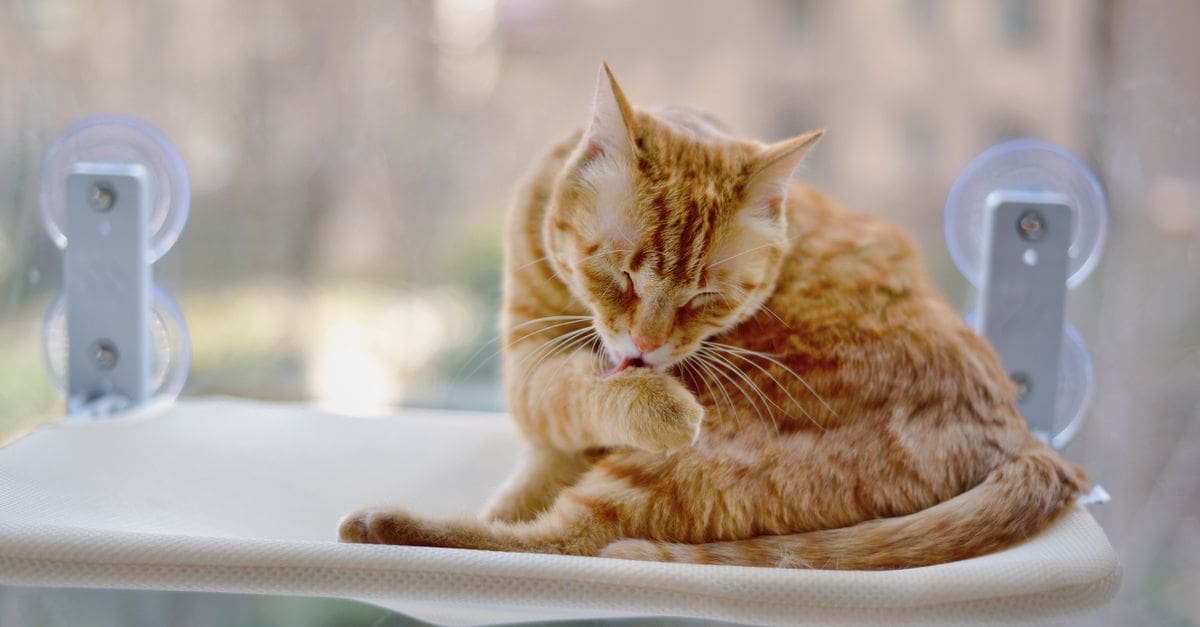
Window perches mount in three main ways: suction cups that adhere directly to the glass, frame mounts that clamp onto the window sill or frame, and freestanding units that lean against the wall below a window. Suction cup mounts are popular because they require no tools, but their holding strength depends on the cleanliness of the glass and the quality of the cups. Heavy cats or active climbers can overload suction cups, leading to sudden drops.
Frame mounts typically use adjustable arms that press against the inside of a window frame. These are more secure than suction cups and support higher weight limits, but they require windows with a frame depth that accommodates the mounting arm. Freestanding perches are the most flexible option—they don’t rely on the window at all—but they occupy floor space and need to be positioned close enough to the window to give a good view.
Platform Size and Comfort
The sleeping surface should be large enough for your cat to lie stretched out or curled comfortably. A platform of at least 12 by 18 inches is suitable for most average cats. For large cats or cats that like to fully extend, 14 by 24 inches or larger is more practical. Small platforms force the cat to balance rather than relax, which reduces how long it will stay.
Padding depth and material affect comfort and how much time the cat spends on the perch. A thicker fleece or bolster cushion is more inviting than a thin fabric-covered board. Removable, washable cushion covers are worth specifying since the perch accumulates fur, dander, and exposure to window condensation.
Weight Capacity and Structural Integrity
Weight capacity ratings on cat window perches range from 15 lbs for basic suction-cup designs to 50 lbs or more for heavy-duty frame or floor-standing models. Always choose a perch rated for at least 1.5 times your cat’s actual weight to provide a safety margin for dynamic movement like jumping onto the perch. A cat that weighs 14 lbs should use a perch rated for at least 20 lbs.
Test the perch for stability before leaving your cat on it unattended. Push on the platform from the side and below to check for flex or wobble in the mount. Suction cup perches should be tested by firmly pressing the cups against the glass and allowing them to set for several hours before the cat uses them. Recheck periodically, especially in temperature-variable environments where glass contraction affects suction.
Hammock vs. Flat Platform Designs
Flat platform perches are straightforward and work for all cats. Hammock-style window perches suspend a fabric sling from the window frame or suction points, creating a cozy hanging seat that cats often find appealing for napping. Hammocks distribute weight across multiple mounting points rather than concentrating it at one bracket, which can improve stability.
Hammocks have a smaller profile that works well in apartment windows with limited depth. Cats that like to sink into soft surfaces tend to accept hammock perches quickly. The trade-off is that hammocks can’t support as much static weight as a rigid platform and are more prone to tipping if a cat jumps onto them from the side.
Window Placement and Light Exposure
South or east-facing windows provide the most sunlight and warmth throughout the day, which adds to the perch’s appeal. North-facing windows may have less direct sun but offer consistent activity from feeders or gardens. The view is as important as the physical setup—a window that overlooks a bird feeder, busy sidewalk, or garden produces far more engagement than one facing a wall or parking structure.
Condensation on windows during winter can wet the bottom of suction cups and reduce their grip. Wiping the glass clean before attaching or re-attaching cups prevents this. If your windows frost or bead significantly in cold weather, a frame-mount or freestanding design is more reliable than suction cups during winter months.
What to Check Before You Buy
- Confirm the mounting type is compatible with your window frame material and depth
- Check the weight capacity against your cat’s weight with a 1.5x safety margin
- Measure the platform size to ensure your cat can lie stretched out comfortably
- Test suction cup mounts by applying force before leaving your cat on the perch unattended
- Look for a removable, machine-washable cushion cover
- Choose the window with the best outdoor view, ideally near a bird feeder or active outdoor area
- For heavy or active cats, choose a frame mount or freestanding design over suction cups
How to Choose a Cat Window Perch
Start by identifying your window type and then match the mount system to it.
- Identify your window type and confirm which mount styles are compatible
- Check the weight capacity and compare it to your cat’s weight with a safety margin
- Measure the window opening or frame to confirm the perch fits without blocking operation
- Choose platform size based on whether your cat prefers to curl or stretch when resting
- Install the perch and test stability before your cat uses it
- Position the perch at a window with an engaging outdoor view to maximize use
Ready to shop? Browse our full list of Cat Window Perches to compare top-rated options.