What to Know Before Buying a Clothes Iron
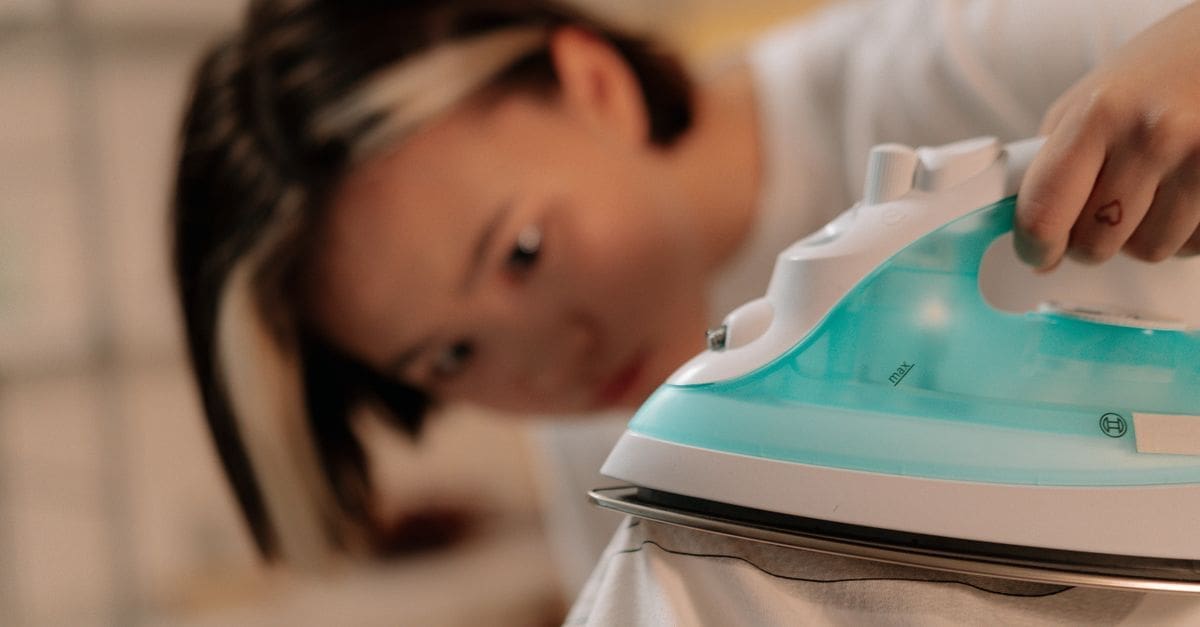
A clothes iron that heats unevenly, leaks water, or takes too long to reach temperature makes ironing a frustrating task. The right iron for your needs depends on how frequently you iron, what fabrics you work with, and whether you need features like vertical steam for hanging garments or a self-cleaning function for hard water use. Wattage, soleplate material, steam output rate, and tank capacity are the four core specifications that determine how well an iron performs. Understanding what each number means in practical terms helps you choose a model that matches your actual ironing habits.
Wattage and Heat-Up Speed
Wattage determines how quickly an iron heats up and how well it maintains temperature during use. Higher-wattage irons—2200 to 2400 watts—heat up in 30 to 60 seconds and recover temperature quickly after heavy steaming. Lower-wattage models in the 1500 to 1800-watt range take longer to heat and can cool down when pressed repeatedly against heavy fabric.
For occasional ironing of dress shirts and light fabrics, 1800 watts is adequate. For frequent use, garment steaming, or ironing heavy fabrics like linen, denim, or wool, 2200 watts or above makes the task noticeably faster and more effective. Wattage is the single specification with the most consistent impact on day-to-day performance.
Soleplate Material
Stainless steel soleplates are smooth, durable, and easy to clean. They glide well on most fabrics and withstand high temperatures without scratching. Stainless steel is the most widely used soleplate material and is appropriate for everyday ironing of most fabrics.
Ceramic-coated soleplates are slightly smoother than stainless steel and excel at gliding over delicate fabrics with less friction. However, ceramic coatings can chip or scratch if the iron is dropped or dragged across a zipper. Non-stick coated soleplates are easier to clean from adhesive or starch buildup but require more care to avoid scratching the coating, which degrades their non-stick property.
Steam Output and Steam Boost
Steam output is measured in grams per minute (g/min). Most household irons produce 30 to 50 g/min of continuous steam, which is sufficient for standard ironing. High-output irons produce 60 to 100 g/min, which is better for linen, heavy cotton, and thicker fabrics that require more moisture to release wrinkles effectively.
Steam boost or shot-of-steam is a separate higher-output burst—often 150 to 200 g/min—used for particularly stubborn wrinkles or heavy fabrics. This function supplements continuous steam and is controlled by a button on the handle. Vertical steam allows the same burst to be applied to hanging garments—useful for refreshing suits, curtains, and blouses that are difficult to lay flat.
Water Tank and Anti-Scale
Tank capacity determines how often you need to refill during an ironing session. Tanks range from 100 ml to 400 ml. A 300 ml tank provides roughly 20 to 30 minutes of continuous steaming before needing a refill. Larger tanks are more convenient for long sessions but add weight to the iron.
Hard water causes mineral scale buildup inside steam irons that clogs steam vents over time. Anti-scale features include self-cleaning steam pathways, removable anti-scale cartridges, and auto-clean functions that flush mineral deposits with a steam burst. In areas with hard water, an iron with a self-cleaning function significantly extends service life and prevents clogged steam holes.
Safety Features and Temperature Settings
Auto-shutoff is a safety feature that turns off the iron if it sits stationary for a set period—typically 30 seconds horizontally or 8 minutes vertically. This prevents fire hazards when the iron is left unattended resting on fabric. Almost all modern irons include this feature, but budget models may have longer delay periods.
Temperature settings should match the fabrics you iron most frequently. Standard settings use a range from synthetic (coolest) through silk, wool, cotton, and linen (hottest). An iron that heats unevenly across the soleplate—hotter at the tip than the heel—causes streak marks on fabric. This is a common complaint in user reviews and is worth specifically checking before purchasing.
What to Check Before You Buy
- Choose at least 2200 watts if you iron frequently or work with heavy fabrics like linen and denim
- Select a soleplate material based on your fabric types—stainless steel for general use, ceramic for delicates
- Check steam output in g/min against your typical fabric weight needs
- Confirm the iron has a steam boost or shot-of-steam function for stubborn wrinkles
- Look for vertical steam capability if you freshen hanging garments
- Check tank capacity against your typical session length
- Look for a self-cleaning or anti-scale feature if you have hard water
How to Choose a Clothes Iron
Start with your ironing frequency and fabric types before comparing specs.
- Identify how often you iron and how heavy your fabrics are to set a minimum wattage
- Choose a soleplate material—stainless steel for durability, ceramic for delicates
- Compare steam output rates against the fabric weight you work with most
- Confirm steam boost and vertical steam are included if you need them
- Check water tank size against your typical session length
- Verify auto-shutoff is present and look for anti-scale features if your water is hard
Ready to shop? Browse our full list of Clothes Irons to compare top-rated options.