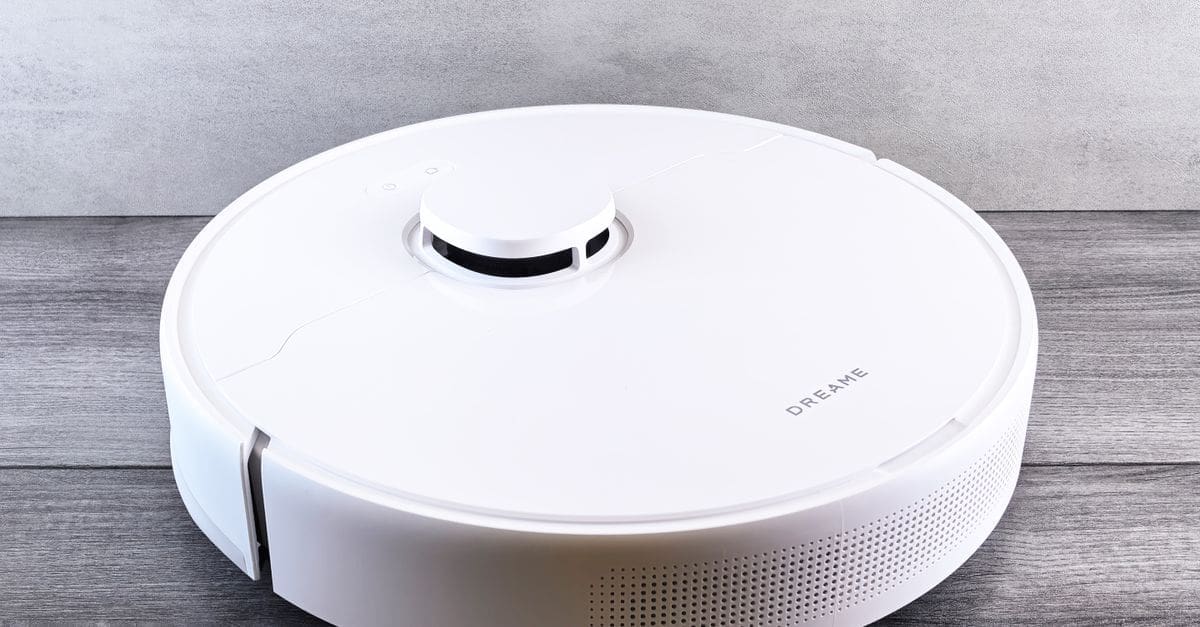
What to Know Before Buying a Smart Robot Vacuum
A robot vacuum earns its keep through navigation and suction that actually clear a floor, not through the length of its feature list. Mapping accuracy, brush design, and how the machine handles the transition from rug to hard floor decide whether it cleans thoroughly or leaves tracks. Bin size, mopping capability, and dock features shape how often you intervene. Matching the robot to your flooring, layout, and pets prevents a machine that stalls under the sofa every afternoon.
Navigation and Mapping
Laser-based mapping builds an accurate floor plan and lets the robot clean in tidy rows rather than bouncing at random, which cuts run time and missed spots. Camera and gyroscope systems vary in reliability, so the sensing method matters more than the marketing name attached to it.
Multi-floor maps, no-go zones, and room-by-room cleaning turn a wandering robot into one you direct precisely. Obstacle avoidance that recognises cables and pet messes saves the machine from spreading a problem across the whole floor, which is the single worst failure mode for an unattended cleaner.
Suction and Brush Design
Suction figures give a rough guide, but brush design decides whether the robot lifts embedded grit from carpet or merely skims the surface. A dual-brush or rubber roller resists tangling far better than a single bristle brush in a home with long hair.
Automatic suction boost on carpet helps a robot that also has to handle hard floors, applying power where it is needed and conserving battery elsewhere. Side brushes sweep edges toward the intake, though aggressive ones can flick light debris rather than collecting it.
Mopping Capability
Mopping ranges from a damp cloth dragged behind the robot to vibrating or spinning pads that apply real pressure. A simple pad freshens hard floors between deep cleans, while a pressure-mop system tackles dried spills more convincingly.
The important details are whether the robot lifts its pad on carpet to avoid soaking it, and whether the water tank and cloth are easy to remove and rinse. A mopping robot that wets your rugs or grows mould in a sealed tank creates more work than it saves.
Dock and Self-Maintenance
Self-emptying docks tip the bin into a larger bag so you handle dust every few weeks rather than daily, which is a real quiet-of-life gain in a busy home. The trade-off is dock size, bag cost, and the noise of the emptying cycle.
Advanced docks add mop washing and drying and clean-water refills, reducing hands-on maintenance further at the cost of footprint and price. Weigh how much automation you actually want against the counter or floor space the dock consumes.
Battery, Coverage, and Obstacles
Run time and recharge-and-resume behaviour determine whether a robot finishes a large home in one session. A machine that returns to charge and picks up where it left off covers far more than its raw battery figure suggests.
Ground clearance and climbing ability decide whether the robot slips under furniture and over thresholds or strands itself on a rug edge. In homes with deep-pile rugs or raised transitions, this practical fit matters more than any cleaning spec.
App Control and Privacy
The app should let you schedule per room, set cleaning intensity, and view the map without a maze of menus. Selective room cleaning and spot modes make the robot useful for quick targeted passes as well as whole-home runs.
A robot that maps your home and, in some models, carries a camera raises reasonable privacy questions. Check how mapping data is stored, whether the camera feed is encrypted, and whether an offline mode exists for owners who would rather keep the floor plan local.
What to Check Before You Buy
- Favour accurate mapping with no-go zones and reliable obstacle avoidance for cables and pet messes.
- Match brush design to your home, choosing tangle-resistant rollers if you have long hair or pets.
- Decide whether you need mopping and, if so, whether pads lift on carpet and rinse easily.
- Weigh a self-emptying or self-washing dock against its footprint, bag cost, and noise.
- Check recharge-and-resume behaviour so a large home is finished in one session.
- Confirm ground clearance and climbing ability suit your furniture and rug transitions.
- Review how mapping and any camera data are stored and whether an offline mode exists.
How to Choose a Smart Robot Vacuum
Start with your flooring and layout, then weigh cleaning power against how much maintenance you want to hand off.
- Assess your floor types, rug depths, and the obstacles the robot must navigate.
- Prioritise accurate mapping and obstacle avoidance for your home’s clutter level.
- Choose a brush and suction setup suited to your carpet and pet situation.
- Decide whether mopping and an automated dock justify their cost and footprint.
- Confirm battery behaviour covers your floor area in a single run.
- Check privacy handling for mapping and camera data before buying.
Ready to shop? Browse our full list of Smart Robot Vacuums to compare current options and prices.