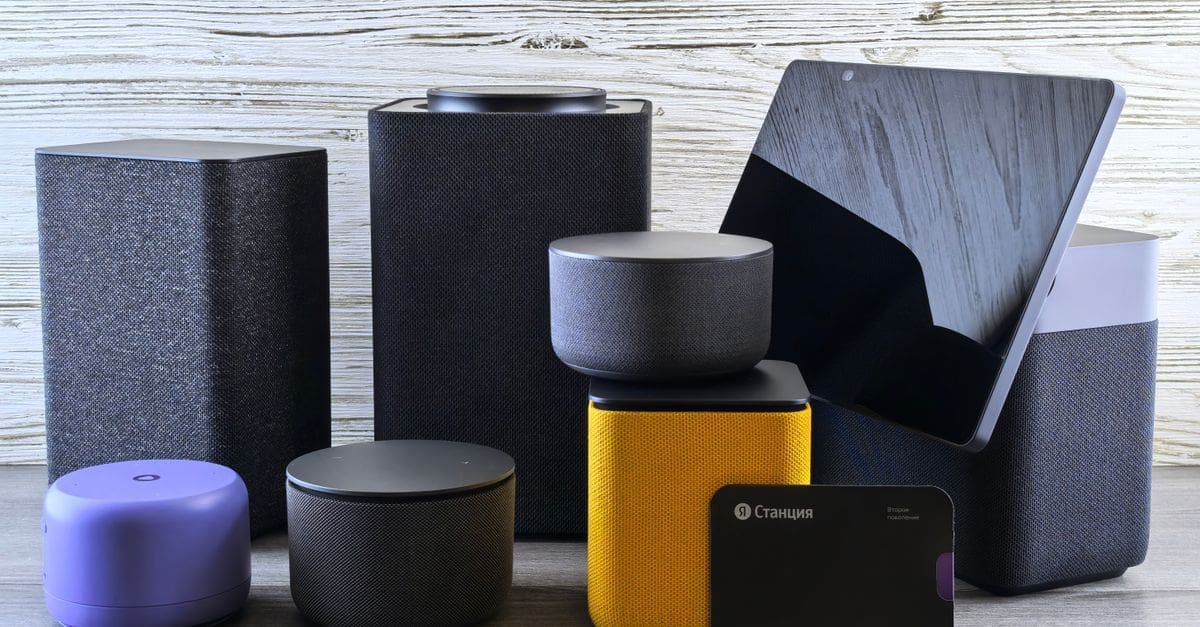
What to Know Before Buying a Smart Speaker
A voice-controlled speaker balances two jobs at once, sounding good as an audio device and responding reliably as an assistant, and cheaper models often compromise one for the other. Driver quality, microphone sensitivity, and the assistant ecosystem shape daily satisfaction more than a spec sheet suggests. Room size and how you intend to use the speaker decide which trade-offs are acceptable. Matching the assistant, sound, and privacy controls to your household avoids a device that mishears you or underwhelms on music.
Sound Quality and Room Fit
Driver size and count set the ceiling on a speaker’s bass and clarity, and a compact puck cannot fill a large open room the way a larger cabinet can. Consider where the speaker will sit, since some tune themselves to the room while others sound thin against a hard wall.
Stereo pairing two units and multi-room grouping extend a single speaker into a whole-home system, which changes the calculus of buying one larger unit versus several smaller ones. Judge sound on the type of music you actually play rather than a demo track chosen to flatter the drivers.
Voice Assistant and Ecosystem
The built-in assistant determines which questions it answers well, which services it controls, and how it fits your existing accounts. An assistant tied to the calendar, music service, and smart devices you already use is far more helpful than a more capable one that ignores your ecosystem.
Some speakers support more than one assistant or let you choose, which avoids locking your voice control to a single company. Check that the assistant controls the specific smart devices you own, since gaps here turn a headline feature into a daily annoyance.
Microphone Performance and Far-Field Listening
Far-field microphone arrays let the speaker hear a command over playing music or across a noisy room, and the number and arrangement of microphones affect that reach. A speaker that constantly mishears from across the kitchen quickly loses your trust.
Noise cancellation and beamforming help the device pick your voice out of background sound, while a physical microphone mute is essential for privacy. Test how well the speaker hears you at a realistic distance rather than leaning in close to it.
Smart Home Control
Many speakers double as a hub or controller for lights, plugs, and thermostats, and some include a Zigbee, Thread, or Matter radio that lets them command devices directly. That built-in radio can save the cost of a separate hub in a modest setup.
Routines triggered by voice, such as a single phrase that dims lights and starts music, are where a speaker becomes genuinely useful in a connected home. Confirm the speaker controls your existing devices and supports the routines you want before relying on it as a hub.
Connectivity and Audio Inputs
Wi-Fi streaming is the core, but Bluetooth adds a fallback for guests and an auxiliary or line-out helps connect existing equipment. Support for the streaming services you subscribe to matters more than a long list you will never use.
Casting standards let you push audio from a phone without opening the speaker’s own app, and multi-room protocols keep several speakers in sync. Check the specific services and casting methods you rely on rather than assuming broad compatibility.
Privacy Controls and Data
An always-listening device in your home makes privacy a real consideration, so a hardware microphone switch that physically disconnects the mics is worth prioritising. Clear controls over voice-recording retention and the option to delete history give you meaningful say over your data.
Review how the maker handles voice data and whether processing happens on the device or in the cloud. A visible indicator when the microphone is active, and simple settings to manage recordings, distinguish a considerate design from an opaque one.
What to Check Before You Buy
- Match driver size and stereo or multi-room support to your room and listening habits.
- Confirm the assistant ties into the calendar, music, and devices you already use.
- Check far-field microphone performance at a realistic distance in a noisy room.
- See whether a built-in Zigbee, Thread, or Matter radio can replace a separate hub.
- Verify support for your specific streaming services and casting methods.
- Prioritise a hardware microphone mute and clear voice-data controls.
- Consider whether one larger speaker or several smaller units suits your home.
How to Choose a Smart Speaker
Start with how you will use the speaker and which ecosystem you live in, then weigh sound against assistant fit.
- Decide whether music quality, assistant help, or smart-home control leads for you.
- Choose an assistant that works with your existing accounts and devices.
- Match driver size and pairing options to the room and your listening.
- Check microphone reach and a hardware mute for reliable, private voice control.
- Confirm streaming service and casting support for what you actually use.
- Review the maker’s voice-data handling before bringing it into your home.
Ready to shop? Browse our full list of Smart Speakers to compare current options and prices.