
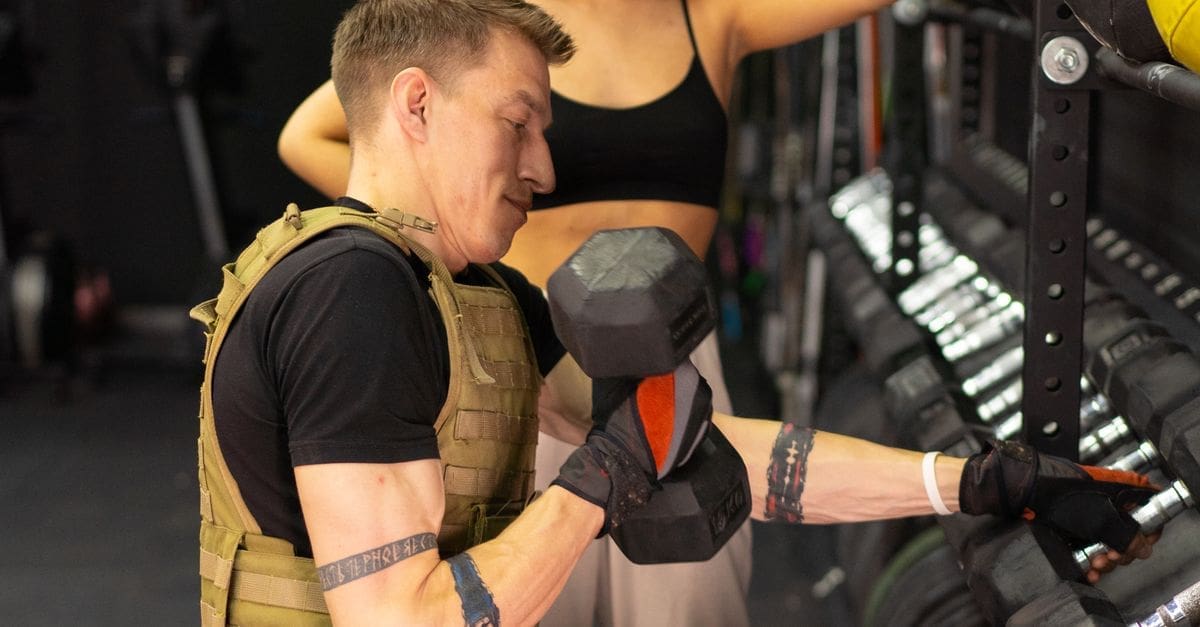
What to Know Before Buying a Weighted Vest
Load security is the quiet dealbreaker, because a vest that bounces or shifts turns every run and rep into a distraction. Maximum weight, how the load adjusts in small increments, and the snugness of the fit decide whether the vest disappears on your torso or fights you. Breathability and strap design shape comfort across a long session. Matching the weight range and fit to your training keeps the vest useful as you get stronger.
Weight Range and Adjustability
A fixed-weight vest is simpler and often slimmer, but an adjustable model with removable slugs lets you scale the load as you progress. Small increments matter, since jumping the weight too far at once strains form and joints.
Consider your ceiling: a vest that tops out just above your current load leaves no room to grow, while an oversized range adds bulk you may never use. Distributing weight evenly front and back keeps your posture neutral under load.
Fit and Load Security
A snug torso fit stops the vest bouncing during running or plyometrics, which is central to comfortable movement. Adjustable side straps or a cinching system pull the load tight against your body so it moves with you.
A vest that rides up or sways side to side chafes and throws off balance during dynamic work. Look for a design that anchors at the shoulders and waist so the weight stays planted through explosive reps.
Weight Distribution and Balance
Evenly spread pockets keep the load balanced so you are not pulled forward or back, which protects your spine during long wear. Vests that concentrate weight high on the chest feel top-heavy and tire the shoulders.
Symmetry between the front and back panels keeps your gait natural on a run or ruck. An unbalanced vest forces compensations that show up as soreness after extended sessions.
Breathability and Materials
Padded, moisture-wicking panels stop the vest turning into a sweat trap during hard training. Mesh backing and ventilated channels move air across your torso to keep body heat down.
Durable outer fabric resists the abrasion of loading and unloading weights repeatedly. Reinforced stitching at the pockets carries the load without seams giving way under strain.
Sizing and Torso Length
A vest that suits your torso length avoids the pinch of a short cut or the sway of one too long. Adjustable shoulder and side systems accommodate a range of builds within a single size.
Trying the vest with your typical training layers on gives a truer sense of fit than sizing bare. A vest sized right sits close without restricting your breathing during exertion.
Intended Use and Weight Type
Bodyweight training and calisthenics favour a compact vest that stays close during pull-ups and dips. Running and rucking benefit from a longer, well-ventilated design that spreads a steadier load.
Some vests use small iron slugs while others use sand-filled bags or plates, and the weight type affects bulk and feel. Match the design to whether you sprint, lift, or march so the vest suits the movement.
What to Check Before You Buy
- Decide between a fixed vest and an adjustable one with removable weights.
- Check the maximum load leaves headroom above your current training weight.
- Look for small weight increments so you can progress without big jumps.
- Confirm the fit cinches snug so the vest does not bounce during movement.
- Prefer evenly distributed pockets that balance load front and back.
- Choose breathable, moisture-wicking panels for long sessions.
- Match the torso length and size to your build, ideally with layers on.
- Pick a design suited to your training, whether calisthenics or rucking.
How to Choose a Weighted Vest
Start with the training you do and your current load, then weigh adjustability, fit, and ventilation against how long you wear it.
- Decide whether a fixed or adjustable vest suits your progression plans.
- Confirm the weight range covers your current load with room to grow.
- Check the increments are small enough to progress safely.
- Ensure the fit cinches snug so the load stays planted during movement.
- Choose breathable materials if you train hard or wear it for long stretches.
- Match the vest design and weight type to your main activity.
Ready to shop? Browse our full list of Weighted Vests to compare current options and prices.


