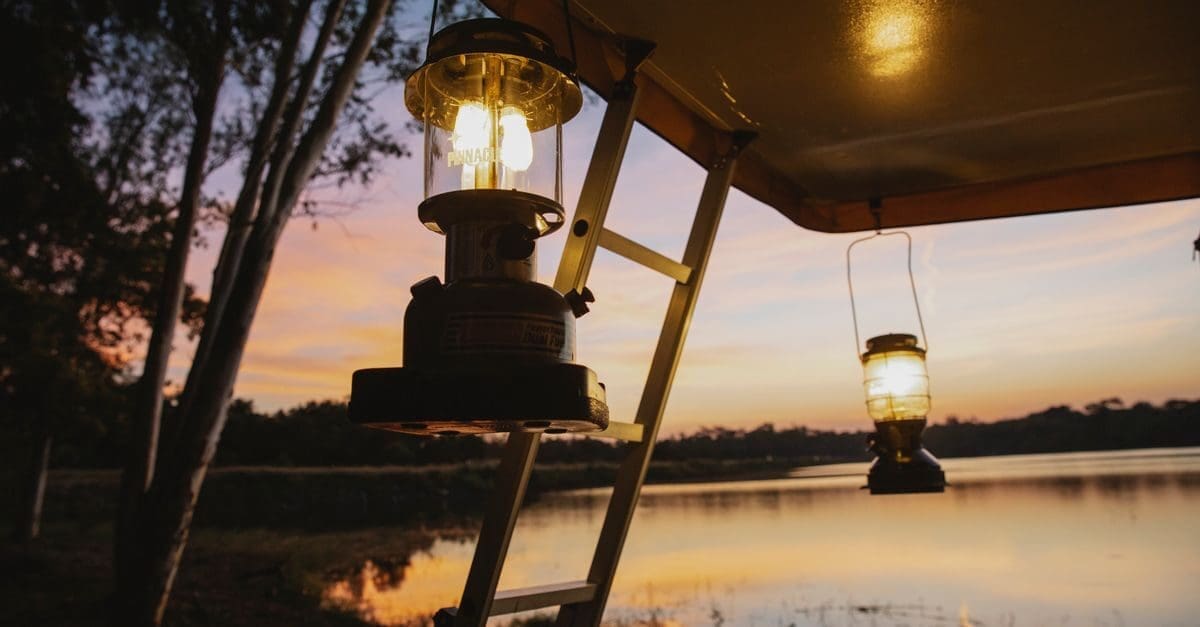
What to Look for in a Camping Lantern
A single bright light hung from the tent ceiling or set on the picnic table changes how a campsite feels after sunset. Modern LED lanterns run cool and quiet, while fuel models still offer serious output and warmth. Light quality, runtime and power source matter more than raw brightness for reading, cooking and card games. Here is what to compare.
LED, Propane and Liquid Fuel
LED lanterns are safe inside tents, produce no fumes and run for hours on batteries or a built-in cell. They dominate modern camping because they are light, quiet and need no mantles.
Propane and white gas lanterns produce bright, warm light and some heat, but they hiss, get hot and must stay outdoors. Mantles are fragile and need replacing, which adds upkeep.
Brightness and Dimming
Inside a tent, 100 to 300 lumens is plenty and avoids blinding everyone when they look up. Lighting a whole campsite, cooking area or group picnic table may call for 500 to 1,000 lumens spread through a 360-degree globe.
Stepless dimming or at least three brightness levels let you set a soft glow for conversation and a bright setting for cooking. Running on low can stretch a single charge across an entire weekend.
Color Temperature and Light Quality
Warm white light around 2,700 to 3,500K feels relaxing and attracts fewer bugs than cool white. Cool white light looks brighter and helps with cooking and repairs.
Lanterns with adjustable color temperature give you both in one unit. Frosted or diffused globes spread light evenly and cut down on harsh glare from bare LEDs.
Power Source and Runtime
Rechargeable lanterns with built-in lithium batteries charge by USB-C from a car, power bank or wall outlet. Models running on AA or D cells are easy to feed on long trips and make reliable home emergency lights.
Runtime ranges from 3 or 4 hours on high to well over 100 hours on the lowest setting, so compare the figure for the brightness you actually use. Built-in solar panels and hand cranks add a slow but useful backup when outlets are far away.
Hanging and Portability
A fold-down hook on the base lets you hang the lantern upside down from a tent loop so light spreads down over the floor. A top handle and a wide, stable base work better on picnic tables and uneven ground.
Collapsible designs that squash down to a few inches tall pack easily for backpacking and kayak trips. Car campers can carry larger lanterns with bigger batteries and wider light spread.
Durability and Weather Resistance
Look for an IPX4 or higher rating so rain, dew and splashes do not harm the electronics. Impact-resistant polycarbonate globes survive being knocked off a table far better than glass.
Rubberized ends absorb bumps, and a cover over the charging port keeps out dust and moisture. Test the switch, as a large button is easier to find in the dark and with gloves.
What to Check Before You Buy
- Choose LED or fuel based on safety and output needs.
- Match lumens to your space.
- Look for dimming and warm light options.
- Check runtime on each setting.
- Confirm charging options.
- Check hanging hooks and base stability.
- Verify water resistance.
How to Choose a Camping Lantern
Use these steps to find a lantern for your campsite.
- Decide where the lantern will be used most, inside the tent or around camp.
- Pick LED or fuel-based light.
- Choose brightness and color temperature.
- Check runtime and power source.
- Compare hanging and carrying options.
- Confirm durability.
Ready to shop? Browse our full list of Camping Lanterns to compare current options and prices.