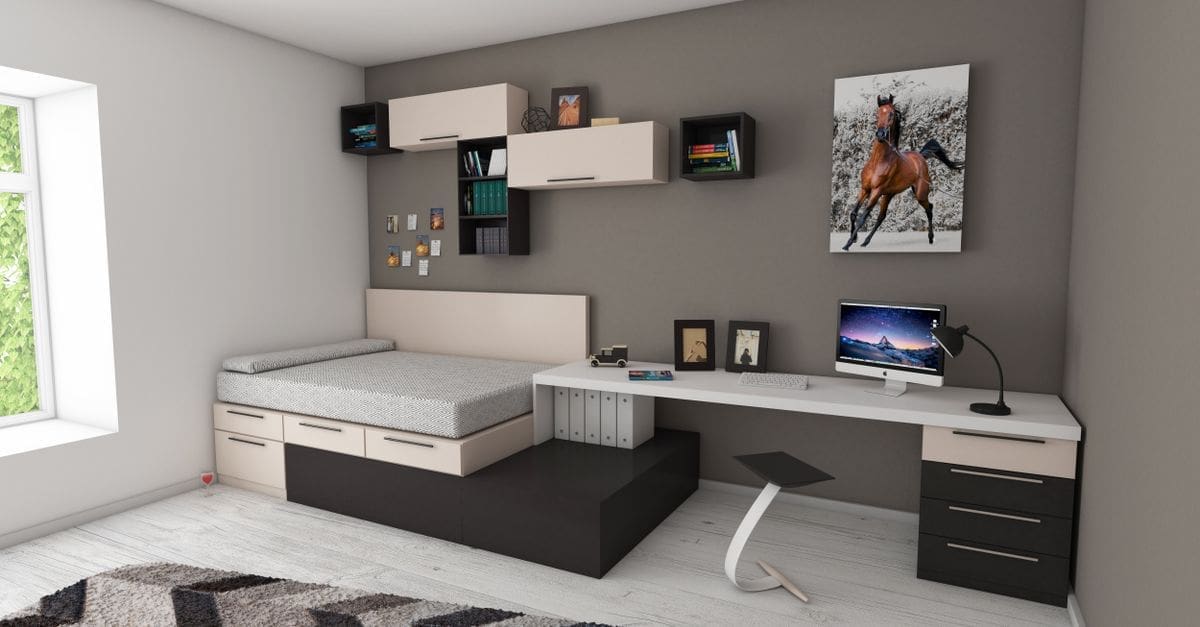
How to Choose a Bed Frame With Storage
Storage bed frames solve one of the most common bedroom space challenges, but they vary significantly in how that storage actually works, how accessible it is, and how it affects the height and feel of the bed. A hydraulic lift frame opens the entire mattress surface as a storage lid, while a drawer frame provides quick-access drawers on one or both sides. Knowing which type fits your access habits and room layout determines whether the storage gets used daily or becomes a frustrating afterthought.
Hydraulic Lift vs. Drawer Storage
Hydraulic lift bed frames hinge at the head or foot and use gas-piston struts to raise the entire mattress platform, revealing a large open storage cavity below. The storage volume is substantial — typically enough for seasonal bedding, pillows, and bulky items that don’t need frequent access. The tradeoff is that accessing anything means removing all bedding, lifting the mattress platform, and digging through the cavity. These frames excel for seasonal storage, not daily access items.
Drawer storage frames add one, two, or four drawers built into the frame sides. Drawers provide immediate access without disrupting the bed and work well for clothing, linens, and items you reach for regularly. Two-drawer frames typically put drawers on one side only; four-drawer frames have two on each side. If your bed is against a wall, confirm which side the drawers open from before purchasing.
Drawer Depth and Construction Quality
Drawer depth varies between 6 and 10 inches depending on frame design and bed height. Shallower drawers (6–7 inches) accommodate folded clothing and flat items; deeper drawers (8–10 inches) can hold sweaters, spare linens, and larger objects. Measure what you plan to store and match the drawer depth accordingly.
Drawer construction quality determines how long the drawers remain smooth to operate. Dovetail joinery on solid wood drawers is the most durable. MDF drawer boxes with glued joints are adequate for lighter loads but can fail at the corners with heavy items over time. Metal glide systems (particularly full-extension ball-bearing slides) outlast plastic slides and allow the drawer to open fully, giving access to the back without reaching.
Weight Capacity: Frame and Storage Combined
Storage bed frames support two separate weight loads — the sleeping surface (mattress plus occupants) and the storage contents. Most frames list only the sleeping surface capacity. Storage drawers typically have a separate maximum weight per drawer, often 50–75 lbs. Exceeding this weight causes drawer slide failure and warps the drawer box.
For the sleeping surface, heavy mattresses (latex and some hybrid models can exceed 100 lbs) significantly reduce the available occupant weight capacity. Choose a frame rated at least 100 lbs above your expected combined sleeping load to keep the frame operating within a safe margin.
Bed Height and Access Comfort
Storage frames are taller than standard frames because of the space required to house drawers or the lift cavity. Most drawer storage frames sit 14–18 inches off the floor — comfortable for most adults but potentially high for shorter individuals or young children. Lift frames tend to be slightly lower, around 12–15 inches, since the storage is recessed within the frame profile.
Consider how the total bed height — frame plus mattress — affects your ability to get in and out comfortably. A 16-inch frame plus a 12-inch mattress results in a 28-inch sleeping surface height, which is on the taller end of the standard range. If you’re evaluating multiple mattresses, confirm final assembled heights with each option before committing to the frame.
Assembly Complexity
Storage bed frames are among the most complex furniture assembly projects in the bedroom category. Hydraulic lift frames require calibrating gas strut tension and aligning the hinge mechanism accurately. Drawer frames involve mounting slide hardware, squaring the drawer boxes, and attaching front panels. Most require two people and take two to four hours.
Look for frames that include clearly labeled pre-drilled hardware rather than marking and drilling your own locations. Reviews that specifically mention assembly experience are the most useful indicator of how the process actually goes — manufacturer instructions for bed frames are notoriously inconsistent in quality.
What to check before you buy
- Decide between lift and drawer storage based on whether you need daily access or seasonal storage.
- Measure the clearance on the sides of your bed to confirm drawers can open fully without hitting walls or furniture.
- Check the drawer depth against the items you plan to store — confirm they fit with headroom to spare.
- Verify the weight capacity for both the sleeping surface and the individual drawers separately.
- Confirm the drawer slide type: full-extension ball-bearing slides outlast basic plastic slides significantly.
- Calculate the final bed height (frame plus mattress) against your comfort preference and room proportions.
- Read assembly reviews specifically — this is the most predictive factor for whether the product arrives as expected.
How to choose a bed frame with storage
- Identify how often you’ll access the storage — daily access needs drawers, infrequent seasonal storage suits a lift frame.
- Measure your room layout to confirm drawers can open on the intended side without obstruction.
- Check drawer depth against your planned storage items before assuming they’ll fit.
- Calculate total bed height and confirm it’s comfortable for all regular users of the bed.
- Evaluate drawer construction quality: look for ball-bearing slides and solid or dovetailed drawer boxes.
- Confirm the combined weight capacity covers your mattress, occupants, and anticipated storage load.
Ready to shop? Browse our full list of Bed Frames With Storage to compare top-rated options.