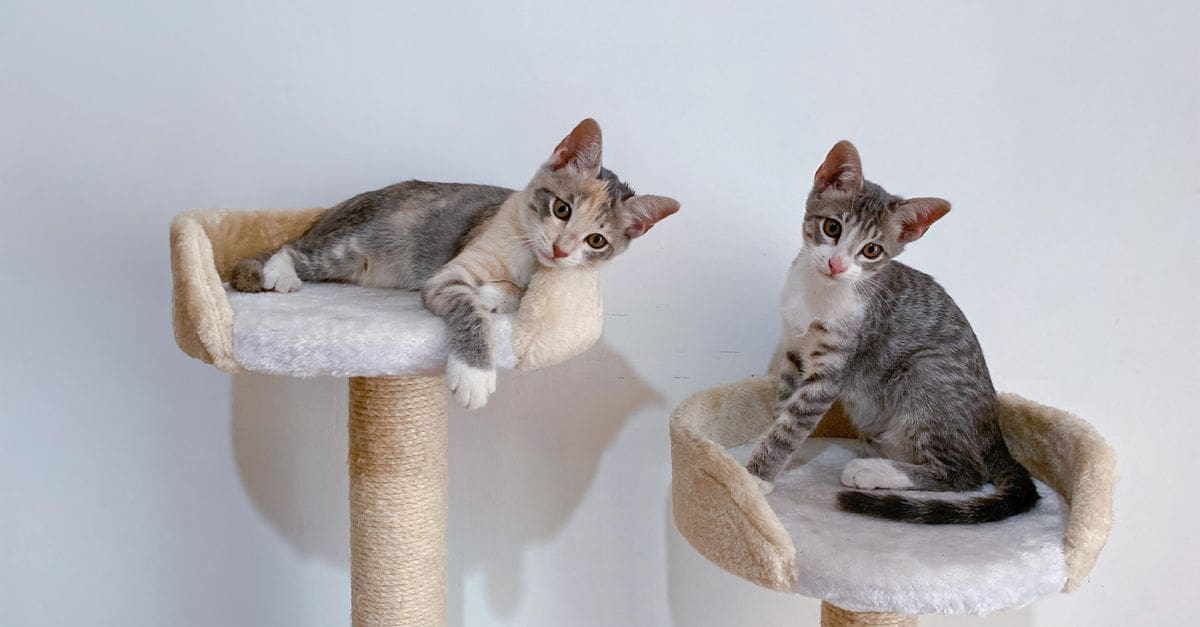
What to Look for in Cat Trees Before You Buy
Cat trees serve multiple behavioral needs simultaneously—climbing, perching at height, scratching, hiding, and sometimes sleeping. A cat tree that satisfies these needs becomes a central piece of your cat’s daily environment and reduces destructive behavior by giving the cat sanctioned outlets for its instincts. The key factors to evaluate are overall height, platform size at each level, base stability under active climbing, number of cats it needs to accommodate, and build quality that determines how long it will last before wobbling or shedding material.
Height and Climbing Opportunity
Cats are naturally drawn to elevated positions for security and territory surveying. A taller cat tree with multiple levels provides more enrichment than a short single-platform unit. Trees of 60 to 72 inches are suitable for average-sized spaces and allow cats to perch near ceiling level, which many cats actively prefer over lower positions.
The arrangement of platforms matters as much as total height. Platforms should be spaced so that a cat can jump between them comfortably without requiring an athletic leap. Wide, shallow spacing between levels works better than tall jumps with small landing zones, especially for kittens, seniors, or heavier cats.
Platform and Perch Size
Platform size determines whether a cat can stretch out, sit comfortably, or only perch precariously. A top perch should be at least 12 to 14 inches in diameter for an average cat and 16 to 18 inches for a larger cat. Smaller perches at the top of tall trees are common in budget models and limit use to cats that like to curl tightly.
Multiple platforms at different heights give multiple cats their own territory within the tree. A tree with five platforms serves three cats better than a tree with two large platforms, even if the total platform area is similar. Vertical territory distribution reduces conflict in multi-cat households.
Base Stability and Weight Capacity
A cat tree that sways or tips during active climbing will be abandoned quickly after one scary experience. The base must be wide enough and heavy enough to resist tipping when a cat launches from an upper platform. Trees with multiple anchor points rather than a single central post are more stable at the same height.
Weight capacity is often listed as the total load the tree can support, but what matters more is the capacity per platform—especially the top platform, which receives the most dynamic load from jumping. Multi-cat households should choose trees rated for at least 25 lbs per platform level.
Materials and Durability
Pressed wood or MDF platforms are standard in most cat trees and are adequate for moderate use. Solid wood platforms are heavier and more durable but also more expensive. The covering material—usually short-pile carpet or faux fur—determines comfort and how well the tree ages. Carpet-covered posts attract scratching but can shed loops of fiber that cats swallow.
Sisal rope-wrapped posts integrated into the tree are more durable for scratching than carpet-covered ones. Some premium cat trees use natural sisal throughout the posts while keeping soft carpet on the platforms and perches. Faux fur hammocks and cubbies are popular sleeping spots but may pill or mat with heavy use.
Assembly and Footprint
Most cat trees arrive flat-packed and require significant assembly. Taller trees may take 1 to 2 hours to assemble. Check whether the assembly requires tools and whether they’re included. Trees with clear instruction manuals and labeled hardware assemble faster and result in more stable joints.
Footprint matters in smaller homes. Some tall trees use a narrow column design with small platform overhangs that take up less floor space. Others spread wide at every level, requiring more room. Measure your intended placement area and compare against the tree’s total spread before ordering.
What to Check Before You Buy
- Confirm the tree is tall enough to reach near ceiling level if your cat prefers high perches
- Check top perch diameter is at least 12 to 14 inches for average cats or 16 to 18 for large breeds
- Evaluate base width and weight—wider, heavier bases are more stable at the same height
- For multiple cats, count platforms and confirm each cat has a dedicated perch
- Look for sisal-wrapped posts for scratching durability over carpet-only designs
- Measure your floor space against the tree’s full footprint before ordering
- Check user reviews specifically for reports of wobbling or tipping under active use
How to Choose a Cat Tree
Match the tree’s size, platform count, and stability to your cat’s size and your household’s needs.
- Measure the available floor space and ceiling height to set size constraints
- Count the number of cats and ensure there are at least as many platforms as cats
- Check base dimensions and weight to confirm stability under active jumping
- Confirm the top perch is large enough for your cat to stretch or curl comfortably
- Look for sisal-wrapped posts on the trunk sections for effective scratching surfaces
- Review assembly requirements and confirm you have the tools or space needed to put it together
Ready to shop? Browse our full list of Cat Trees to compare top-rated options.