
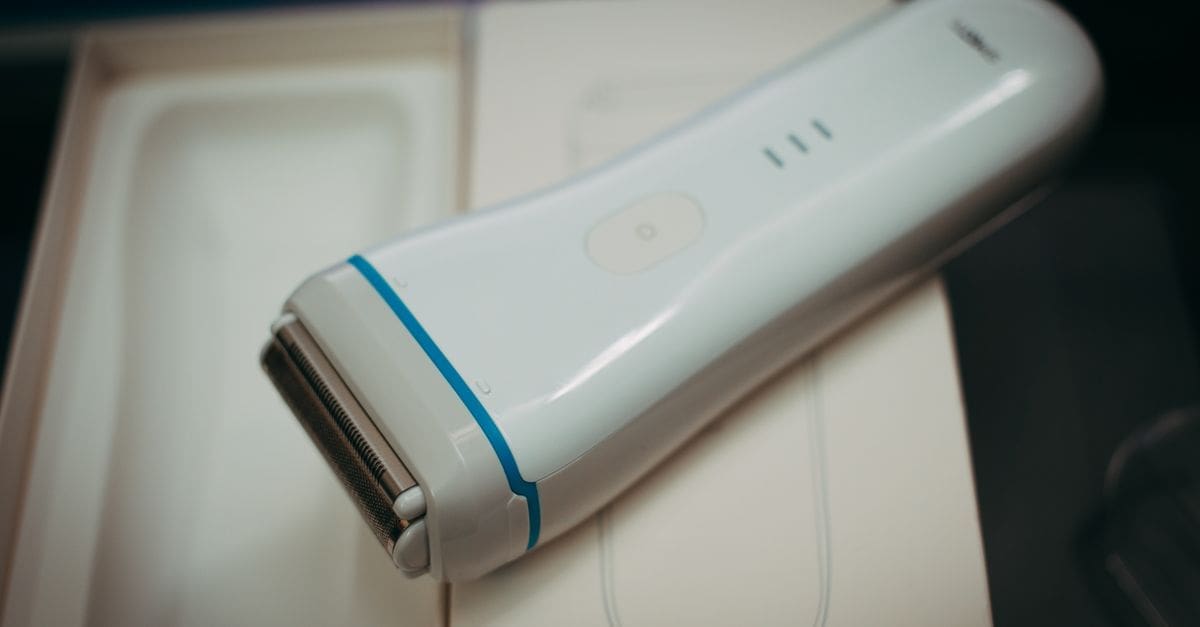
What to Look for in an Epilator Before You Buy
Epilators remove hair by grasping and pulling multiple hairs simultaneously from the root, providing results that last 2–4 weeks rather than days. The main practical questions when choosing one are whether it can be used wet (in the shower), how many tweezers are in the head, whether the speed settings work for your skin sensitivity, and which attachments come included. First-time users almost always experience more discomfort than experienced users — this diminishes significantly after 3–4 sessions as hair grows back finer and regrowth becomes sparser. Choosing a model suited to your skin type and preferred use environment makes the transition much easier.
Wet vs. Dry Use
Dry-only epilators are used on clean, dry skin. Wet/dry epilators are waterproof and can be used in the shower with warm water, which relaxes the skin, opens pores, and significantly reduces discomfort compared to dry use. For first-time users or anyone with sensitive skin, a wet/dry model used in a warm shower is a meaningfully more comfortable experience.
Waterproof models (IPX7) can be fully submerged for cleaning. Confirm the model’s IPX rating rather than relying on packaging language like “waterproof” — some models are only splash-resistant (IPX4–5), which is not the same as safe for shower use. Cordless models are required for shower use.
Tweezer Count
Tweezer count determines how many hairs the epilator grasps per rotation. More tweezers (36–72) capture more hairs per pass, reducing the number of passes needed to cover an area and improving overall efficiency. Fewer tweezers (16–20) may be more gentle for sensitive skin areas but require more passes.
For leg and arm use, higher tweezer counts (40–72) are more efficient. For sensitive areas — underarms, bikini line, face — some users prefer a lower-tweezer count head or a separate attachment head optimized for precision. Many epilators include interchangeable heads for different areas and hair densities.
Speed Settings
Two-speed epilators are standard — a lower speed for sensitive skin and bony areas (knees, ankles, underarms), and a higher speed for denser hair on legs and arms. Higher speed produces less discomfort because the tweezers grasp and release hairs faster, reducing the sensation duration per hair.
For beginners, starting on high speed with the epilator held at the correct 90-degree angle to the skin produces less discomfort than low speed in many cases. Users who always use low speed because they assume it’s gentler often experience more discomfort because each hair takes longer to pass through the tweezer mechanism.
Included Attachments
A basic epilator head handles legs and arms. Precision caps reduce the head size for bikini line, underarm, and facial use. A shaving head or trimmer head is included on multi-function models, allowing you to use the device as both an epilator and a trimmer. Massage caps vibrate to stimulate the skin and reduce pain perception — genuinely useful for sensitive areas.
Not all included caps are equally useful — assess which attachments align with where you actually plan to use the epilator. A large set of attachments you’ll never use adds cost without value. At minimum, a precision cap for sensitive areas is worth having alongside the standard head.
Corded vs. Cordless
Cordless epilators run on a rechargeable battery and are required for wet use. Battery runtime varies from 30–90 minutes; most sessions take 15–30 minutes, so even lower-capacity batteries are sufficient for one session per charge. Corded models provide unlimited runtime but restrict movement and can’t be used in the shower.
For most users, cordless is the practical choice regardless of wet/dry preference. Charging time varies from 1–8 hours depending on the model. Some models include a quick charge feature for a partial charge in 20–30 minutes, which is convenient if you’ve forgotten to charge before a session.
What to Check Before You Buy
- Decide on wet or dry use — wet/dry models are significantly more comfortable for beginners and sensitive skin.
- Verify IPX7 waterproofing if shower use is intended, not just IPX4–5 splash resistance.
- Check tweezer count — 40+ for efficient leg and arm use.
- Confirm the included attachments cover the areas you plan to use.
- Verify the model is cordless if wet use is intended.
- Check speed settings — two speeds minimum for versatility across body areas.
- Review battery runtime and charging time against your typical session length.
- Look for a massage cap if skin sensitivity is a concern.
How to Choose an Epilator
Choosing the right epilator comes down to use environment, skin sensitivity, and which body areas you’ll be targeting.
- Decide between wet/dry and dry-only based on skin sensitivity and where you’ll use it.
- Confirm IPX7 waterproofing if shower use is part of your plan.
- Check tweezer count for the areas you’ll cover — higher count for legs, lower for sensitive areas.
- Review included attachments and verify precision cap is included for smaller areas.
- Confirm cordless operation if wet use or freedom of movement matters.
- Check battery runtime covers at least two full sessions per charge.
Ready to shop? Browse our full list of Epilators to compare top-rated options.


