How to Choose a Face Cleanser for Your Skin Type
A face cleanser that disrupts the skin barrier — leaving the face feeling tight, dry, or sensitive after washing — sets up every subsequent skincare step to perform worse. Cleansing removes makeup, excess sebum, pollutants, and product residue without stripping the skin’s natural moisture and lipid barrier. The key variables are formula type, surfactant aggressiveness, pH, and whether any active ingredients are included. Most people over-cleanse — the goal is thorough removal with minimum disruption, not squeaky-clean skin that feels like the barrier has been stripped.
Cleanser Types by Formula
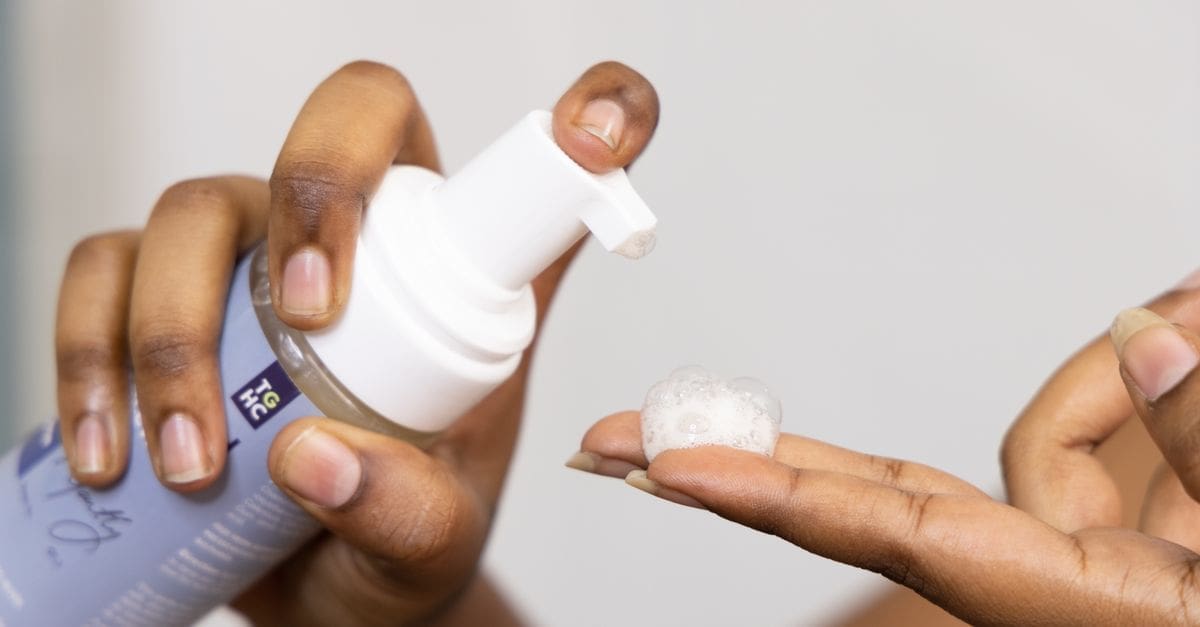
Foaming cleansers produce a lather that’s effective at removing excess oil and feel thorough on the skin. They’re appropriate for oily and acne-prone skin types. The downside is that strong foaming surfactants — particularly sodium lauryl sulfate (SLS) — are among the most stripping, raising the skin’s natural pH and disrupting the barrier with regular use.
Gel cleansers are water-based and typically use milder surfactants. They rinse cleanly and work well for normal to oily skin. Cream and lotion cleansers are richer, leave a slight emollient film after rinsing, and are suited to dry and sensitive skin. Micellar water cleansers use micelles (oil-attracting molecules suspended in water) to dissolve makeup and pollutants without rinsing — they’re gentle but may not be sufficient as a standalone cleanser for makeup-heavy use.
Surfactants: Harsh vs. Gentle
Surfactants are the cleansing agents that lift sebum and debris from the skin. The least irritating surfactants in facial cleansers include cocamidopropyl betaine, sodium cocoyl isethionate, and sodium lauroyl glutamate. These clean effectively with minimal barrier disruption.
Sodium lauryl sulfate (SLS) and sodium laureth sulfate (SLES) are more aggressive — they foam well and clean thoroughly but raise skin pH and strip lipids more than gentler alternatives. For daily use, particularly if your skin is dry, sensitive, or prone to eczema, avoiding high-SLS cleansers is meaningful.
pH and Skin Barrier
Healthy skin maintains a slightly acidic pH around 4.5–5.5. Many conventional soap-based cleansers have a pH of 9–10, which disrupts the skin’s acid mantle and can take hours to fully restore. Balanced-pH cleansers (formulated at pH 5.0–5.5) maintain barrier integrity and are more appropriate for daily use.
Most modern liquid and gel facial cleansers are already formulated closer to skin pH than bar soaps. Checking pH is most relevant when comparing bar soap-based products to liquid cleansers. For daily use, a liquid cleanser with gentle surfactants at a balanced pH is easier on the barrier than any bar soap regardless of its marketed gentleness.
Matching Cleanser to Skin Type
Oily and acne-prone skin tolerates and benefits from slightly more thorough cleansing — salicylic acid in a cleanser reaches pores and helps prevent clogging; benzoyl peroxide in a cleanser kills acne bacteria on contact and leaves behind minimal residue. These cleansers should still use mild base surfactants.
Dry and dehydrated skin needs the most gentle formula available — cream cleansers with humectants (glycerin, hyaluronic acid) and no SLS or alcohol cleanse without worsening dryness. Sensitive skin needs fragrance-free formulas with minimal ingredient counts and no acids, retinol, or high-percentage active ingredients. Combination skin often does well with a balanced gel cleanser that cleansers without over-drying the drier zones.
Active Ingredients in Cleansers
Salicylic acid at 0.5–2% in a cleanser has a short contact time with skin but still provides meaningful anti-acne benefit by loosening debris in pores. Benzoyl peroxide washes are among the most effective acne treatments — they kill acne bacteria on contact and rinse off most of the peroxide, leaving minimal irritation potential. Glycolic acid in cleansers has a limited effect due to short contact time.
Niacinamide and vitamin C in cleansers have limited efficacy — these actives need leave-on time to be effective and are largely rinsed away. If you want niacinamide or vitamin C benefit, use them in a toner or serum after cleansing, not in a wash-off format.
Double Cleansing
Double cleansing uses an oil-based first cleanser to dissolve sunscreen, makeup, and sebum, followed by a water-based second cleanser to remove the emulsified oil and any remaining debris. The two-step process achieves thorough removal without requiring a single aggressive cleanser that strips the barrier.
Double cleansing is most relevant for people who wear heavy makeup, sunscreen SPF 50+, or long-wear products that water-based cleansers don’t fully remove. For minimal makeup and lightweight SPF, a single gentle cleanser is sufficient. Overcleansing with two rounds of stripping cleansers defeats the purpose.
What to Check Before You Buy
- Match cleanser type to skin type — foaming for oily, cream for dry, gel for normal to oily, micellar for sensitive.
- Check surfactant list — avoid SLS/SLES for daily use if skin is dry or sensitive.
- Verify the formula is fragrance-free for sensitive skin.
- Look for salicylic acid or benzoyl peroxide if acne is a primary concern.
- Avoid active ingredients like vitamin C and niacinamide in cleansers — invest in leave-on formats instead.
- Consider double cleansing if wearing heavy makeup or SPF 50+ regularly.
- Check that the formula doesn’t leave skin feeling tight after rinsing — that’s a sign of over-stripping.
- Verify the format is appropriate for your routine — rinse-off vs. no-rinse.
How to Choose a Face Cleanser
Choosing a face cleanser is about removing what needs to be removed without disrupting the skin’s natural barrier.
- Identify your skin type and primary concern — oily/acne, dry/sensitive, combination, or normal.
- Choose cleanser type based on skin type — gel for oily, cream for dry, balanced gel for combination.
- Check surfactants and avoid SLS-heavy formulas for daily dry or sensitive skin use.
- Confirm the formula is fragrance-free if sensitivity is a concern.
- Add active ingredients only in cleansers where short contact time is still effective — salicylic acid, benzoyl peroxide.
- Consider double cleansing if your routine involves heavy sunscreen or long-wear makeup.
Ready to shop? Browse our full list of Face Cleansers to compare top-rated options.