Peptide Serum Buying Guide: Actives and Texture
Supporting firmer, more resilient skin over time depends on the specific peptides in a formula and the supporting base rather than on marketing about youth. A vague blend at a token level does little, while targeted peptides in a well-built formula signal the skin to behave younger. Texture, compatibility, and packaging decide whether it fits your routine. Pinning down your concern and skin type narrows the choice before scent or bottle style matters.
Peptide Types and Targets
Peptides are short chains that signal skin cells, and different types aim at different outcomes. Signal peptides encourage the skin to support its own firmness, while others target the look of expression lines or reinforce the barrier, so the blend should match your goal.
A formula naming its peptides and pairing them thoughtfully suggests more intent than a vague proprietary blend. Understanding which concern you want to address, whether firmness or fine lines, helps you read past the label and choose a serum built around a relevant peptide mix.
Supporting Ingredients
Peptides rarely work alone, and the companions in the formula shape results and feel. Hydrating humectants like hyaluronic acid plump the skin, antioxidants defend against daily stress, and niacinamide supports the barrier alongside the peptides.
A thoughtful base amplifies the actives rather than merely diluting them. Reading the full ingredient list shows whether the serum surrounds its peptides with supportive hydration and protection, or leans on the headline ingredient while the rest of the formula does little.
Skin Type and Compatibility
Peptide serums generally suit most skin types because they are gentle and non-irritating compared with stronger actives. Sensitive skin often tolerates them well, and they layer comfortably in a routine without the flushing that harsher ingredients can cause.
Texture preferences still vary by skin type, since oily skin favors a light, fast-absorbing fluid while dry skin welcomes a more cushioning base. Confirming the formula feels comfortable and layers cleanly under your moisturizer keeps it a serum you reach for daily.
Texture and Layering
The feel of a serum determines whether it fits smoothly into a routine, and peptide formulas range from watery essences to slightly richer fluids. A fast-absorbing texture leaves no tacky film, letting moisturizer and sunscreen follow cleanly.
Layering order matters, since a peptide serum typically goes on after cleansing and before heavier creams. Applying it to slightly damp skin can enhance the hydrating companions, and a formula that sinks in without pilling keeps a multi-step routine tidy.
Concentration and Formulation
How much active a serum delivers depends on both concentration and formulation quality, since peptides work at relatively low levels when properly stabilized. A well-formulated serum keeps its peptides intact rather than degrading before they reach the skin.
Marketing claims outpace evidence at times, so realistic expectations help, as peptides support gradual improvement rather than dramatic overnight change. Choosing a formula from a maker that formulates carefully matters more than chasing the longest ingredient list or boldest promise.
Packaging and Stability
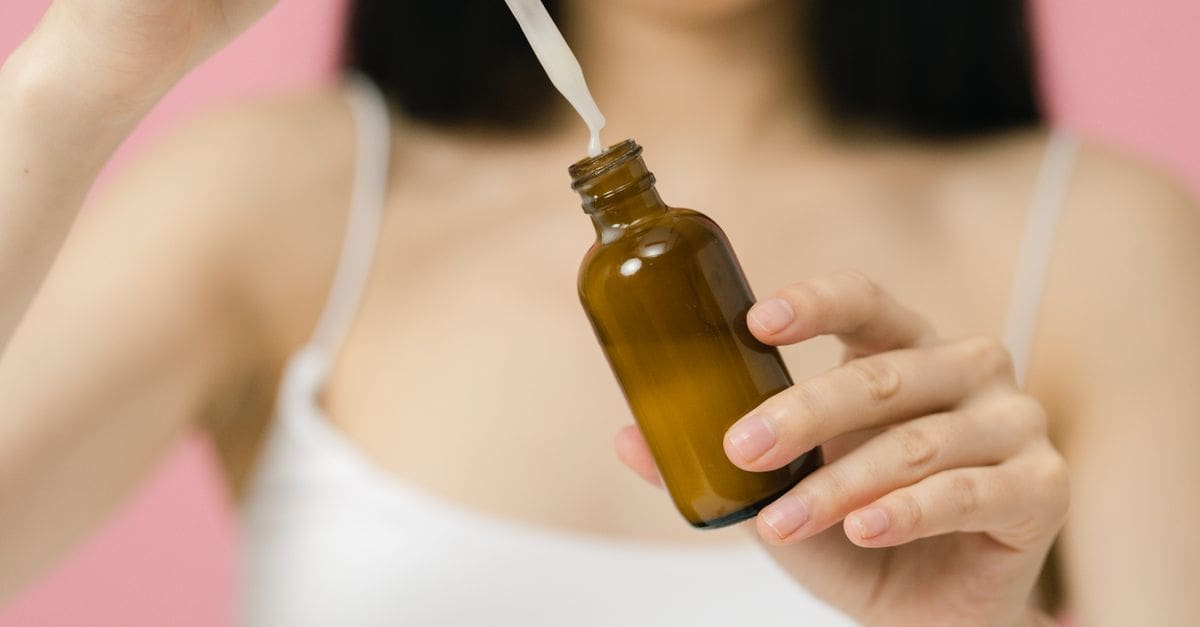
Peptides and their supporting actives keep better in packaging that limits light and air, so opaque bottles with a pump or dropper outlast a wide, open jar. Air-restrictive designs slow the oxidation that weakens a formula over months.
Bottle size should match your pace of use, since an opened serum stays potent for several months to a year. A size you finish within that window delivers fresher actives than a large bottle lingering half-used well past its prime.
What to Check Before You Buy
- Look for named peptides matched to your concern, firmness or fine lines.
- Confirm supporting ingredients like hyaluronic acid and niacinamide.
- Choose a texture suited to your skin, light for oily and richer for dry.
- Verify the serum layers cleanly under moisturizer and sunscreen.
- Favor a well-formulated blend over the longest ingredient list.
- Prefer opaque, air-restrictive packaging to protect the peptides.
- Pick a bottle size you can finish within its working life.
- Set realistic expectations for gradual rather than overnight change.
How to Choose a Peptide Serum
Starting from your concern and skin type keeps the formula and texture choices grounded.
- Identify the concern you want to address, from firmness to lines.
- Look for peptides and supporting actives suited to that goal.
- Choose a texture and finish that fit your skin type.
- Confirm it layers cleanly within your routine.
- Check the packaging protects the actives from light and air.
- Introduce it consistently and give it weeks to show results.
Ready to shop? Browse our full list of Peptide Serums to compare current options and prices.