What to Look for in a Portable Power Station
Keeping devices and appliances running off-grid or during an outage depends on the battery capacity and output rating rather than on how rugged the case appears. A small station runs out mid-task, while an undersized inverter cannot start a fridge or power tool. Battery chemistry, recharge options, and ports decide how it fits your needs. Knowing what you plan to power and for how long narrows the field before brand matters.
Capacity and Runtime
Battery capacity in watt-hours sets how long the station powers your devices, so estimating your needs guides the size. Charging phones and a laptop draws little, while running a fridge, fan, or CPAP overnight demands a much larger capacity.
Calculating runtime means comparing the watt-hours to the wattage of what you run, since a higher-capacity station lasts longer under the same load. Sizing capacity to your realistic use, whether weekend camping or a multi-day outage, avoids a station that dies too soon or an oversized one you overpay for.
Output Power and Inverter
The inverter’s continuous wattage decides what the station can run at once, since appliances draw different amounts and exceeding the limit shuts it down. A station rated for enough continuous watts handles the devices you plan to power together.
Surge capacity matters for motors, since a fridge or power tool briefly draws more when starting than while running. Confirming both the continuous rating covers your combined load and the surge rating handles startup spikes keeps the station from cutting out when a compressor kicks on.
Battery Chemistry and Lifespan
The battery type shapes lifespan and safety, with lithium iron phosphate cells lasting far more charge cycles and running cooler than older lithium chemistries. That longevity suits a station meant to serve for years of regular use.
Cycle life translates to how long the station stays useful before capacity fades, so a chemistry rated for thousands of cycles outlasts one rated for hundreds. For anyone relying on the station regularly rather than rarely, the longer-lived chemistry justifies its cost over the life of the unit.
Recharge Options and Speed
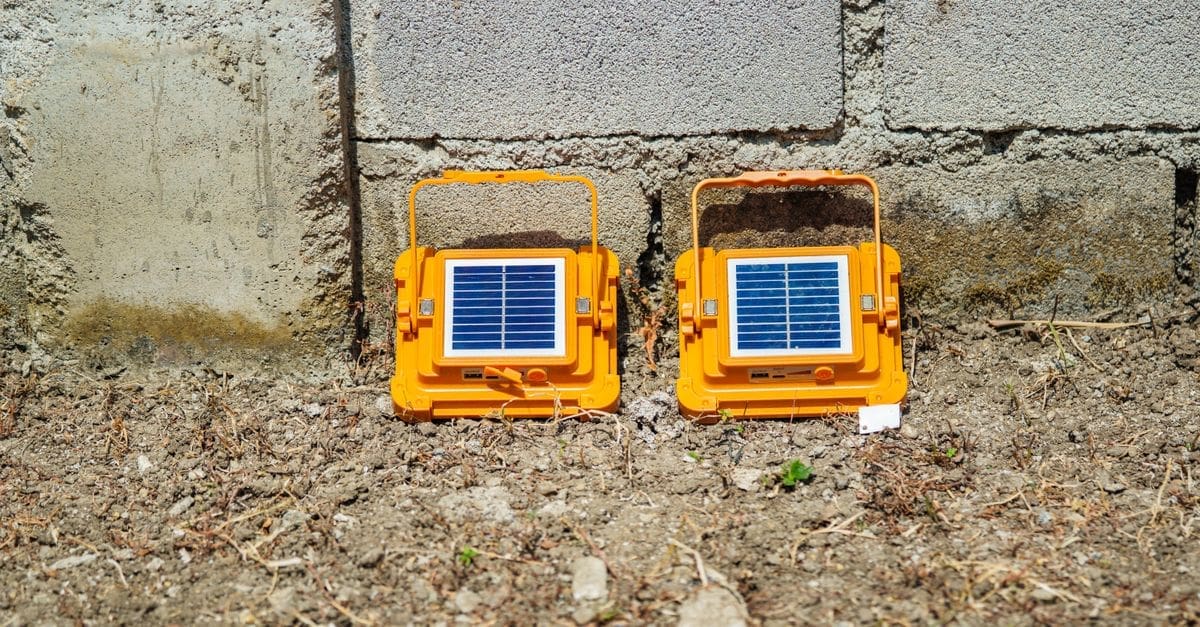
How the station refills matters as much as how much it holds, with options including wall outlets, car outlets, and solar panels. Solar input frees the station from the grid entirely, which suits camping and extended outages.
Recharge speed varies widely, and a station that refills from the wall in a couple of hours beats one that takes overnight. Confirming the recharge methods suit your situation, and that solar input is supported if you want off-grid refilling, keeps the station ready when the next need arises.
Ports and Connectivity
The mix of outputs decides what you can plug in, so a station with several AC outlets, USB-A and USB-C ports, and a car socket covers phones, laptops, and appliances at once. USB-C with high power output charges laptops directly.
Enough ports of the right kinds prevents juggling adapters, and pass-through charging lets the station power devices while it recharges. Confirming the port selection matches your devices keeps the station convenient rather than leaving you short of the right outlet when you need it.
Portability and Durability
Weight climbs with capacity, so a larger station trades portability for runtime, and a sturdy handle or wheels ease moving a heavy unit. A compact station suits carrying to a campsite, while a big one anchors a home backup setup.
Durability matters for outdoor use, since a rugged case and good thermal management survive rough handling and heat. Weighing how far you carry the station against how much capacity you need keeps the size practical, and a solid build protects the investment through years of use.
What to Check Before You Buy
- Estimate your watt-hour needs from what you plan to power.
- Confirm the continuous inverter rating covers your combined load.
- Check the surge rating handles motor startup spikes.
- Favor lithium iron phosphate cells for long cycle life.
- Look for solar input if you want off-grid recharging.
- Check recharge speed from the wall and other sources.
- Confirm enough AC, USB-A, and USB-C ports for your devices.
- Weigh portability against capacity for your use.
How to Choose a Portable Power Station
Starting from what you power and for how long keeps the capacity and output choices grounded.
- List the devices you need to run and their wattages.
- Estimate the runtime you need to size the capacity.
- Confirm the inverter’s continuous and surge ratings cover them.
- Choose a battery chemistry suited to your usage frequency.
- Check the recharge options and speed fit your situation.
- Verify the ports and portability match your needs.
Ready to shop? Browse our full list of Portable Power Stations to compare current options and prices.