How to Choose a Socket Set
A socket set is judged on the quality of its steel, the precision of its drive mechanism, and whether it actually contains the sizes you reach for, not the impressive-sounding piece count. Ratchet design, drive sizes, and socket depth shape how usable the set is on real fasteners. Metric and imperial coverage matters for the vehicles and equipment you work on. Matching the set to your tasks prevents a large box of sizes you never touch and gaps where you need a socket most.
Piece Count Versus Useful Coverage
A high piece count often pads the total with adapters, bits, and sizes you rarely use, so the meaningful question is whether the set covers the fasteners you actually turn. A focused set with the right common sizes beats a bloated one with gaps at the sizes you need.
Check the range of socket sizes in each drive and whether the increments are close enough to match odd fasteners. Count the sockets, not the total pieces, and confirm the set includes the specific sizes for your car, bike, or equipment rather than trusting the headline number.
Drive Sizes and Their Uses
Drive size refers to the square that connects the ratchet to the socket, and the common sizes suit different work, with a smaller drive for delicate and confined jobs and a larger one for high-torque fasteners. A set spanning more than one drive size covers a wider range of tasks.
A quarter-inch drive handles small, precise work, a three-eighths drive covers most general jobs, and a half-inch drive tackles the largest, tightest fasteners. Decide which drives your work needs, since buying only one may leave you underpowered for big bolts or clumsy on small ones.
Ratchet Mechanism and Tooth Count
The ratchet is the heart of the set, and a higher tooth count means a smaller swing arc, which matters in tight spaces where you cannot move the handle far. A fine-tooth ratchet lets you work where a coarse one would jam against surrounding parts.
A smooth, positive engagement and a solid direction switch make the difference between a ratchet that works reliably and one that slips under load. Consider the handle length and grip, since a longer handle gives leverage while a stubby one fits confined engine bays.
Socket Depth, Type, and Points
Standard sockets suit most bolts, while deep sockets reach nuts on long threads or recessed fasteners that a shallow socket cannot grip. A set with both depths covers far more situations than shallow sockets alone.
Six-point sockets grip the flats of a fastener and resist rounding a tight or corroded bolt, while twelve-point sockets engage in more positions but grip the corners. For stubborn fasteners, six-point sockets are the safer choice, so consider the balance in the set.
Material and Build Quality
Chrome vanadium steel suits hand tools, while chrome molybdenum is tougher for impact use, and the finish affects corrosion resistance and grip. Cheap sockets can crack or round out under real torque, so material quality directly affects how long the set survives.
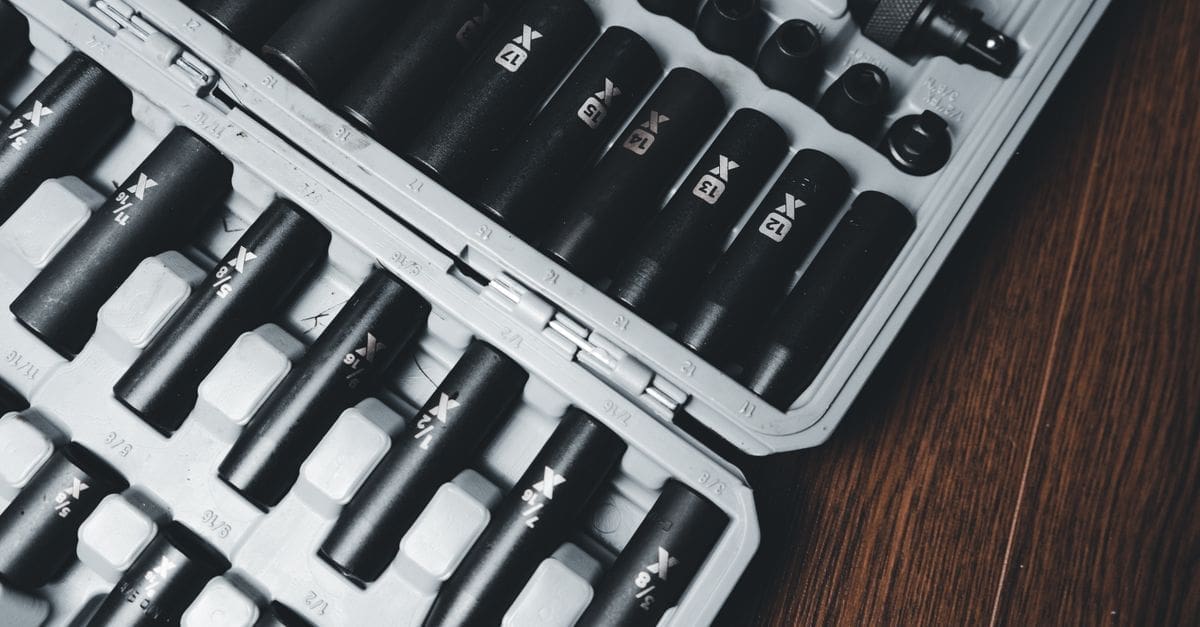
Clear, durable size markings that do not wear off save time hunting for the right socket, and a laser-etched or stamped marking outlasts printed ones. Check the fit between socket and fastener, since a loosely machined socket rounds bolts regardless of the steel it is made from.
Storage Case and Organisation
A well-designed case holds each socket in a labelled, secure spot so you can see at a glance what is missing and grab the right size quickly. A flimsy case that spills its contents or lets sockets rattle loose makes the set frustrating to use and easy to lose pieces from.
Consider whether the case latches securely and survives being carried and dropped, since a broken case scatters an expensive set. Trays or rails that hold sockets firmly, and clear labelling, keep the set organised over years of use rather than becoming a jumbled box.
What to Check Before You Buy
- Count the sockets and confirm the specific sizes you need, not just the total piece count.
- Choose the drive sizes that match your work, spanning more than one if needed.
- Prefer a fine-tooth ratchet for a small swing arc in tight spaces.
- Check for both standard and deep sockets to cover recessed fasteners.
- Favour six-point sockets for stubborn or corroded bolts.
- Confirm the steel type and machining quality to resist cracking and rounding.
- Look for a secure, well-labelled case that holds each socket in place.
How to Choose a Socket Set
Start with the fasteners and equipment you work on, then weigh drive range and build quality against price.
- List the vehicles or equipment and the fastener sizes they use.
- Choose the drive sizes and metric or imperial coverage you need.
- Prioritise a fine-tooth ratchet and smooth mechanism.
- Confirm both standard and deep sockets in the sizes you reach for.
- Check the steel quality and machining for durability.
- Verify the case organises and secures the set before buying.
Ready to shop? Browse our full list of Socket Sets to compare current options and prices.