
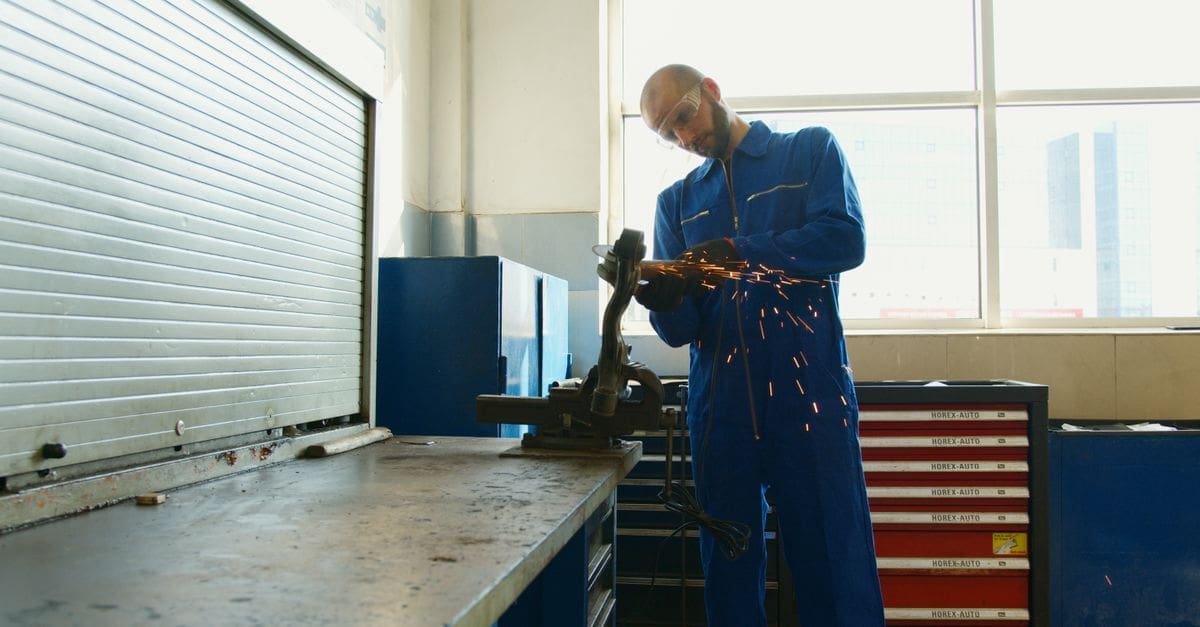
How to Choose a Workbench
Rigidity under a hard push is the first thing you notice and the last thing a cheap bench delivers, because a top that racks makes precise work impossible. Weight capacity, worktop material, and the frame’s bracing decide whether a bench takes a beating or wobbles. Height, storage, and vise mounting shape daily use. Matching the surface and sturdiness to your work keeps projects steady and the bench standing for years.
Weight Capacity and Frame Rigidity
The rated capacity tells you what the top holds, but rigidity under sideways force matters just as much for hammering and planing. A cross-braced steel or solid hardwood frame resists the racking that undermines accurate work.
A bench that flexes when you lean into it makes sawing and chiseling frustrating and imprecise. Look at the leg design and stretchers, since triangulated bracing keeps the frame square under real load.
Worktop Material and Thickness
A thick hardwood top absorbs blows and can be resurfaced, while a steel top shrugs off solvents and heat for mechanical work. Particleboard or thin tops dent and swell, limiting them to light tasks.
Surface thickness affects both durability and how well the bench dampens vibration during heavy work. Match the top to your trade, since a woodworker and a mechanic want very different surfaces.
Height and Ergonomics
Bench height should suit your stature and the work, with a lower surface aiding hand-tool force and a higher one easing detailed assembly. A bench at the wrong height strains your back over long sessions.
Adjustable-height benches adapt to different tasks and users, which helps a shared shop. If the height is fixed, match it to your most common work rather than a compromise that fits nothing well.
Vise and Clamping Options
A solid vise turns a bench into a proper work-holding station, and dog holes let you clamp odd shapes across the top. The mounting must be sturdy, since a vise on a flimsy top pulls the surface apart.
Front and end vises suit different tasks, and integrated clamping systems speed repetitive work. Consider whether the bench comes vise-ready or needs reinforcement to mount one securely.
Storage and Integrated Features
Drawers, shelves, and pegboard backs keep tools within reach and off the worktop. Built-in storage suits a compact shop where a separate cabinet would not fit.
A lower shelf adds ballast that steadies the bench as well as holding heavy items. Weigh how much storage you need against keeping the design open for clamping underneath.
Mobility and Footprint
Locking casters let a bench roll aside and then lock solid for work, which suits a shared garage. A fixed bench is steadier but ties up floor space permanently.
Folding or compact benches serve small spaces and occasional use, trading some rigidity for storage. Match the footprint to your shop and how often you need to reclaim the room.
What to Check Before You Buy
- Check the frame resists racking under sideways force, not just vertical load.
- Match the worktop material to your trade, whether wood or steel.
- Confirm the top thickness suits the punishment your work delivers.
- Choose a height that fits your stature and most common tasks.
- Look for sturdy vise mounting and dog holes if you clamp often.
- Consider built-in storage against keeping the underside open for clamps.
- Decide between locking casters for mobility or a fixed, steadier base.
- Measure the footprint against your available shop space.
How to Choose a Workbench
Start with your trade and shop size, then weigh rigidity, worktop, and height against storage and mobility.
- Assess the work you do to set your priorities for surface and sturdiness.
- Check the frame bracing resists racking under real sideways load.
- Match the worktop material and thickness to your tasks.
- Pick a height suited to your stature and common work.
- Decide on vise and clamping needs and confirm secure mounting.
- Choose between a mobile or fixed base to fit your shop and space.
Ready to shop? Browse our full list of Workbenches to compare current options and prices.


