How to Choose a Bathroom Storage Cabinet
Moisture resistance and the right footprint decide whether a bathroom storage cabinet lasts and fits or warps and blocks the room. Shelf layout, mounting style, and door design shape how much it holds and how easily you reach it. Material and finish affect durability in a humid space. Matching the size and build to your bathroom keeps toiletries organized without crowding the floor.
Cabinet Type and Placement
Freestanding floor cabinets add storage without wall fixing, while wall-mounted units free the floor and suit small rooms. Over-the-door and corner cabinets reclaim awkward space that would otherwise sit empty.
Tall linen cabinets store towels and supplies in one column, whereas low units double as a surface. Consider where the room has spare space so the cabinet fits the layout rather than obstructing it.
Size, Footprint, and Clearances
Measure the intended spot including door swing and any nearby fixtures, since a cabinet that blocks a door or the toilet frustrates daily. A slim depth keeps a narrow bathroom walkable.
Height matters for reaching shelves and clearing wall fittings or a mirror. Match the footprint to the space so the cabinet adds storage without making the room feel cramped.
Shelf Layout and Storage
Adjustable shelves adapt to tall bottles and short jars, making the interior flexible as your supplies change. Fixed shelves waste space when items do not match the set heights.
A mix of open shelves, closed doors, and drawers organizes both display items and clutter you would rather hide. Consider what you store so the layout suits toiletries, towels, and cleaning supplies.
Material and Moisture Resistance
Solid wood and plywood with sealed finishes withstand humidity far better than particleboard, which swells when it absorbs moisture. Metal and coated surfaces resist rust when properly finished.
A water-resistant finish protects against steam and splashes near a shower or basin. In a bathroom, moisture is constant, so the construction matters as much as the look for a cabinet that lasts.
Doors, Handles, and Access
Hinged doors suit most spaces, while sliding doors save clearance in tight rooms where a swing would hit a wall. Soft-close hinges keep doors quiet and reduce wear.
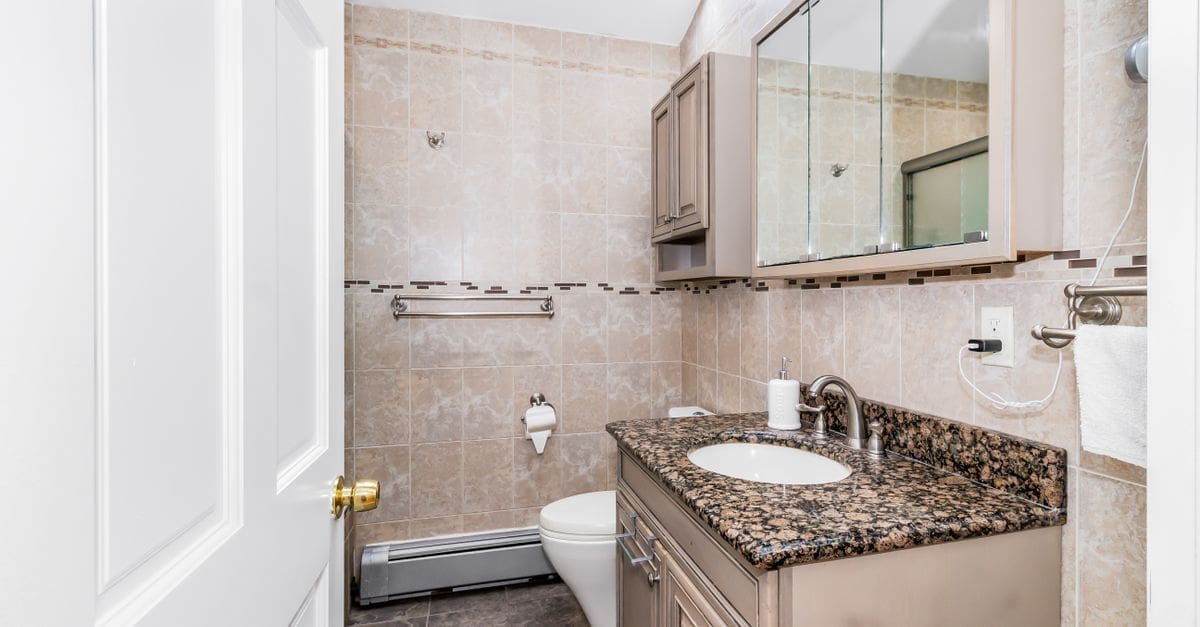
Mirror-fronted cabinets combine storage with a reflective surface, useful above a basin. Handles should be easy to grasp with wet hands, and magnetic catches keep doors shut without fiddly latches.
Installation and Stability
Wall-mounted cabinets need solid fixings into studs or suitable wall anchors to bear the weight of contents. A cabinet that pulls loose is both a hazard and a repair headache.
Freestanding tall units benefit from an anti-tip strap, especially where children are present. Check the mounting hardware and instructions so the cabinet installs securely the first time.
What to Check Before You Buy
- Choose freestanding, wall-mounted, or corner to suit your space.
- Measure the spot including door swing and nearby fixtures.
- Prefer adjustable shelves for flexible, changing storage.
- Mix open shelves, doors, and drawers for varied items.
- Select sealed wood or coated surfaces that resist moisture.
- Confirm a water-resistant finish for a humid bathroom.
- Consider sliding doors or soft-close hinges in tight rooms.
- Check the mounting hardware supports the loaded weight.
How to Choose a Bathroom Storage Cabinet
Start with your spare space and what you store, then weigh type, shelving, and moisture resistance against door design and secure mounting.
- Identify the spare space and choose a matching cabinet type.
- Measure the footprint including door swing and clearances.
- Pick a shelf and drawer layout for your toiletries and towels.
- Select a sealed, moisture-resistant material and finish.
- Choose a door style that suits the room’s clearances.
- Confirm the mounting or anti-tip hardware keeps it stable.
Ready to shop? Browse our full list of Bathroom Storage Cabinets to compare current options and prices.