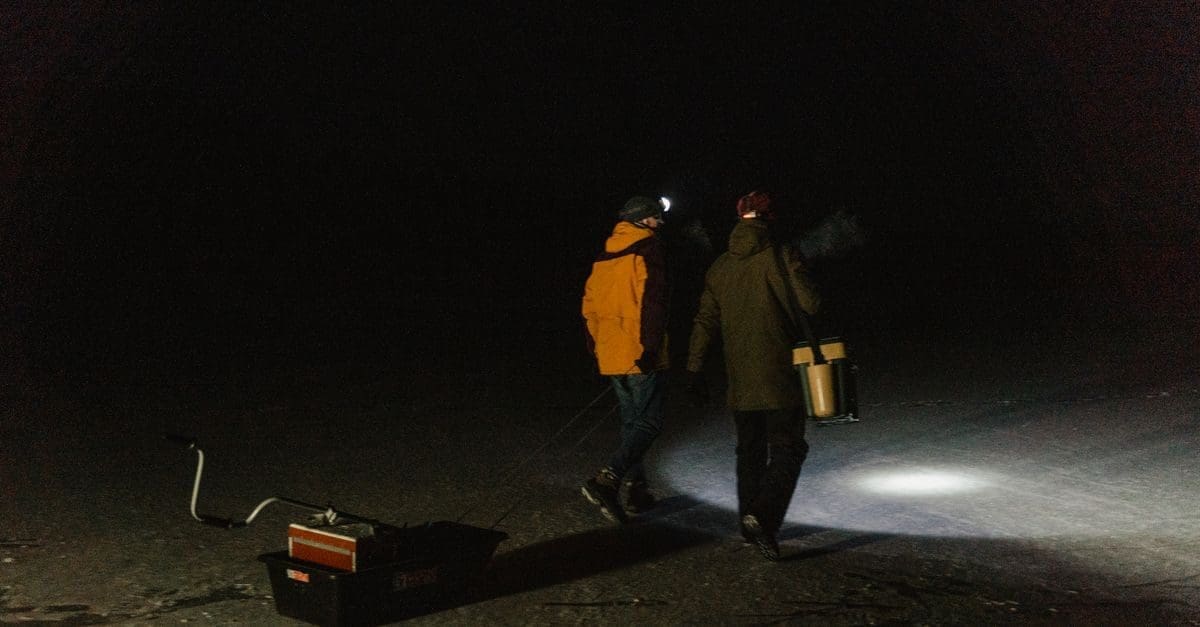
How to Choose a Headlamp
Hands-free light makes every after-dark task easier, from pitching a shelter to finding the trail before sunrise or digging through a pack for a lost lighter. Head-worn lights vary widely in output, beam shape, power source and comfort, and the highest lumen figure on the box is rarely the most useful number. Run time, water resistance and how the controls feel with cold fingers matter just as much. Here is what to compare.
Lumens and the ANSI FL1 Standard
Lumens measure total light output. Roughly 100 to 300 lumens handles camp chores, reading and walking on maintained trails, while 400 to 1,000 or more suits night running, scrambling and scanning for reflective trail markers at a distance.
Look for ANSI FL1 figures on the packaging, which standardize how lumens, beam distance and run time are tested. Many lights step down from their maximum setting after a minute or two to manage heat, so the sustained output tells you more than the peak.
Beam Pattern and Lighting Modes
Spot beams concentrate light into a narrow throw that reaches far down a trail, while flood beams spread a wide, even glow that suits tasks within arm’s reach. Many models combine both emitters so you can switch, or blend them, depending on the moment.
Red light mode preserves night vision and keeps you from blinding friends around the fire or neighbors at the next site. A lockout function prevents the light from switching on inside a pack and draining the battery before you need it.
Rechargeable, AAA or Hybrid Power
Built-in lithium-ion batteries charged by USB-C cut long-term cost and waste and usually deliver steadier output as they drain. The drawback is that a dead battery means waiting for a charge unless you carry a power bank.
AAA-powered lights let you swap in fresh cells in seconds, which is handy on long trips far from outlets. Hybrid designs accept either a rechargeable pack or standard AAA batteries, giving you the economy of recharging with the backup of disposables.
Water Resistance and Durability
An IPX4 rating means the light resists splashing water and rain from any direction, which is enough for most hiking and camping. IPX7 and IPX8 ratings indicate the light survives temporary or extended submersion, a better fit for paddling and very wet climates.
Impact-resistant housings, gasketed battery doors and buttons you can find by feel all add to reliability. Lights with sealed charging ports or rubber port covers hold up better to repeated exposure to rain and sweat.
Weight, Fit and Controls
Compact lights under about 3 ounces bounce less and suit running and long days on the trail. High-output models often move the battery to a rear pack on the strap, which balances weight and keeps the front from sagging on your forehead.
Soft, wide straps and a lamp that tilts downward let you aim the beam at your feet without bending your neck. Large buttons are easier to press with gloves, and reflective strap accents add visibility when walking along roads.
What to Check Before You Buy
- Match the lumen range to your main activities rather than chasing the highest number.
- Check ANSI FL1 figures so brightness and run time compare fairly across brands.
- Look for both spot and flood beams plus a red light mode for camp use.
- Choose rechargeable, AAA or hybrid power based on trip length and charging access.
- Compare run times on low and medium settings, not just maximum output.
- Confirm the IPX water resistance rating suits rain or paddling conditions.
- Look for a lockout mode, a tilting lamp and a comfortable, adjustable strap.
How to Choose a Headlamp
These steps help match a headlamp to your nighttime needs.
- Identify the activities you will use the light for after dark.
- Choose a brightness range that covers those activities.
- Pick a beam pattern and mode set, including red light.
- Decide on rechargeable, AAA or hybrid power.
- Check water resistance and overall durability.
- Try the fit and controls, ideally with gloves on.
Ready to shop? Browse our full list of Headlamps to compare current options and prices.