
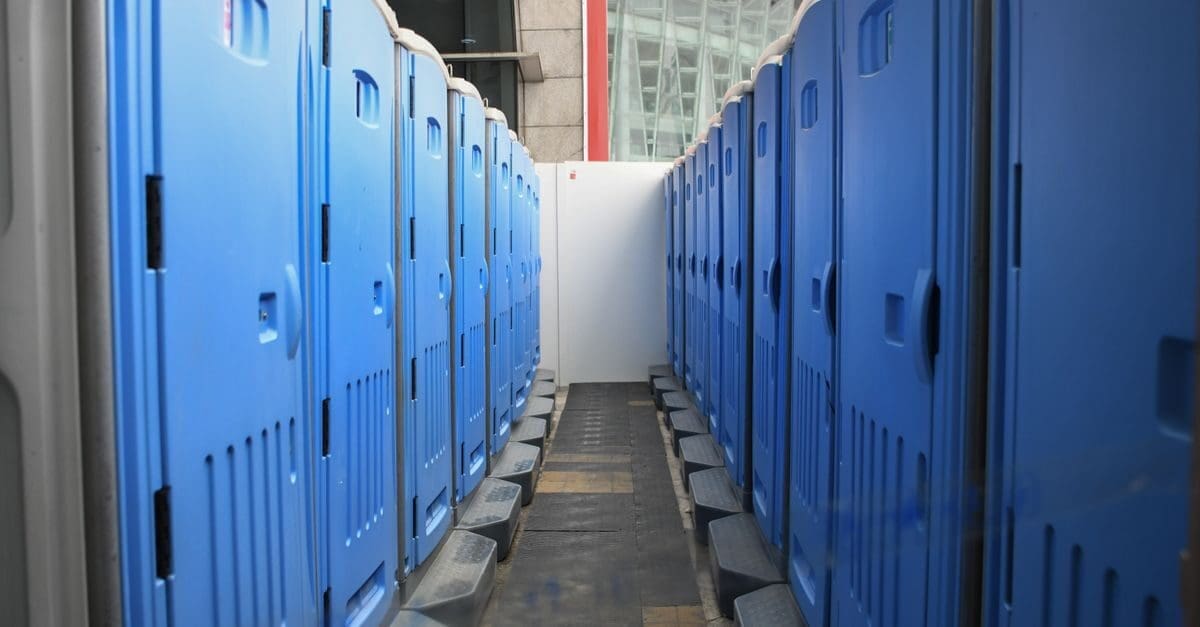
What to Look for in a Portable Toilet
Campgrounds without facilities, long overland trips and boats all make a self-contained toilet worth packing. Design ranges from simple bucket seats to flushing cassette units with sealed holding tanks, and each handles waste, odor and cleanup differently. Seat height, tank capacity and how easily the unit empties decide whether you will be glad you brought it. Here are the specs to compare.
Bucket, Folding and Cassette Designs
Bucket-style toilets are a 5-gallon pail with a snap-on seat and lid. They are cheap, light and used with disposable bags or gel, which makes them a simple backup for occasional camping.
Folding frame toilets collapse flat for storage and also use bags. Flushing cassette toilets have a fresh water tank on top and a sealed waste tank below, giving a more home-like experience for RVs, vans, boats and long trips.
Waste Tank Capacity
Cassette waste tanks typically hold 2.5 to 5.5 gallons. A 2.6-gallon tank suits one or two people for a weekend, while a 5-gallon tank stretches to several days for a family.
Bigger tanks mean fewer trips to the dump station but are heavy when full. A full 5-gallon tank weighs more than 40 pounds, so check that the tank has a sturdy carry handle or wheels.
Flush Mechanism and Water Use
Piston pumps deliver a strong flush with a few strokes and need no batteries. Bellows pumps are simpler but use more water per flush. Battery-powered flush toilets work at the push of a button.
Fresh water tanks of 2 to 4 gallons allow dozens of flushes. Rotating pour spouts make emptying cleaner and reduce splashing.
Odor Control and Sealing
Sliding valves between the bowl and waste tank keep odors sealed in. Look for a solid gasket and a smooth valve action.
Holding tank chemicals or enzyme treatments break down waste and control odor. Bucket toilets rely on bags with absorbent gel or powder.
Seat Height and Comfort
Seat heights range from about 12 to 17 inches. Taller seats are easier for adults and people with limited mobility.
A full-size seat feels more stable and familiar than a narrow camp seat, which matters for kids and older campers. Check the weight rating, especially for folding frames, where 250 to 330 pounds is a common range.
Portability, Storage and Cleaning
Compact designs fit under van benches, in boat lockers or inside cabinet spaces. Check dimensions and empty weight carefully, and confirm there is clearance above for the lid to open fully.
Smooth interior surfaces and a bowl that rinses fully on each flush make cleaning far less unpleasant. A waste level indicator tells you when to empty before the tank gets too full and heavy to carry.
What to Check Before You Buy
- Choose bucket, folding or cassette design based on trip length.
- Match tank capacity to the number of people and days.
- Check the flush mechanism and fresh water capacity.
- Look for a tight sliding valve seal for odor control.
- Confirm seat height and weight rating.
- Measure storage space in your vehicle or boat.
- Check for a level indicator and rotating pour spout.
How to Choose a Portable Toilet
These steps help you match a toilet to your trips.
- Decide how often and where you will use the toilet.
- Pick a design type based on comfort and budget.
- Choose tank capacity for your group and trip length.
- Compare flush systems and odor control.
- Check seat height, comfort and weight rating.
- Plan storage, emptying and cleaning.
Ready to shop? Browse our full list of Portable Toilets to compare current options and prices.


