
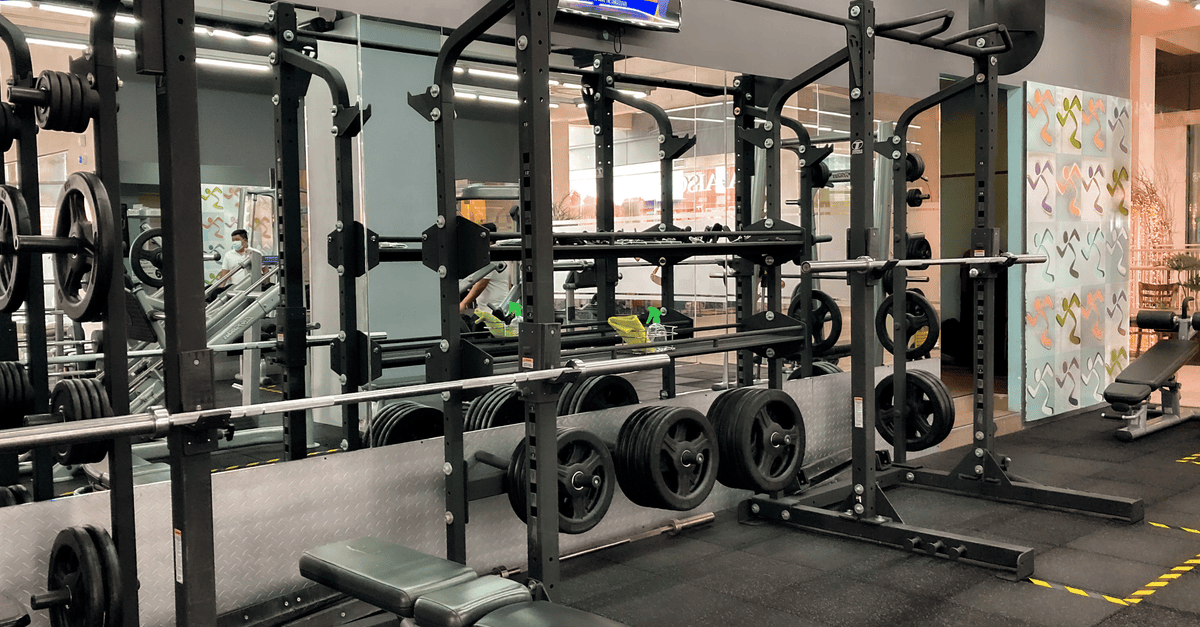
What to Look for in a Power Rack
Training heavy and safely alone at home depends on the rack’s steel gauge and safety systems rather than on how imposing the frame looks. A flimsy rack flexes under load and cannot catch a failed lift, while a sturdy cage with reliable safeties lets you push hard with confidence. Height, footprint, and attachments decide how it fits your space and goals. Knowing your lifts and ceiling narrows the field before finish matters.
Steel Gauge and Construction
The steel gauge and tubing size define how much load the rack handles and how little it flexes, since a thicker, larger-gauge frame stays rigid under heavy weight. A wobbly rack undermines confidence exactly when the bar is loaded.
Welds, hardware, and the uprights’ thickness separate a commercial-grade cage from a budget one that shakes. Confirming the steel gauge and weight rating comfortably exceed your heaviest planned lifts, with a margin, keeps the rack solid through years of loaded squats and presses rather than flexing under the bar.
Safety Systems
The whole point of a rack for solo lifting is catching a failed rep, so the safety bars or straps must be strong and easy to set at the right height. Reliable safeties let you attempt a heavy squat or bench without a spotter.
Adjustment increments matter, since closely spaced holes let you set the safeties precisely for each lift rather than too high or low. Confirming the safety system is rated for your loads and adjusts finely keeps the rack a genuine safeguard rather than a false sense of security under a heavy bar.
Height and Ceiling Clearance
The rack’s height must fit your ceiling while leaving room to press overhead and, if you want it, to do pull-ups on the top bar. Measuring the ceiling and subtracting the rack height confirms clearance for standing lifts.
A shorter rack suits low basements but may limit overhead work, while a full-height cage needs a taller room. Confirming the rack fits your space with room to lift, and that a pull-up bar sits at a usable height, keeps the frame functional rather than forcing you to duck or crouch.
Footprint and Space
The rack’s floor footprint and the space around it decide whether it fits your gym, since loading plates, racking the bar, and moving safely all need clearance. Measuring the area, including room to walk out a squat, prevents a cramped setup.
A compact rack or a foldable wall-mounted design suits tight spaces, trading some capability for a smaller footprint. Weighing how much room you have against the lifts you want keeps the rack practical, so it fits the space while still allowing the movements you train.
Attachments and Expandability
Attachment compatibility extends what a rack can do, since dip bars, landmine attachments, cable pulleys, and plate storage broaden training from a single frame. A rack with a standard hole pattern accepts a wide range of add-ons.
Expandability future-proofs the purchase, letting you add capability as your training grows rather than replacing the rack. Confirming the rack supports the attachments you want, now or later, and uses a common standard keeps it versatile rather than locking you into one narrow set of exercises.
J-Hooks, Bar Support, and Finish
The J-hooks that hold the bar take repeated loading, so sturdy hooks lined with protective material guard both the bar knurling and the rack. Weak or unlined hooks wear the bar and can shift under heavy racking.
Finish affects durability and looks, with powder coating resisting chips and rust better than paint in a garage’s humidity. Confirming the bar supports are solid and lined, and that the finish holds up to plates and sweat, keeps the rack protecting your equipment and looking solid over years of use.
What to Check Before You Buy
- Confirm the steel gauge and weight rating exceed your heaviest lifts.
- Check the frame stays rigid rather than flexing under load.
- Verify strong safety bars or straps that adjust finely.
- Measure ceiling clearance for overhead lifts and pull-ups.
- Confirm the footprint and surrounding space fit your gym.
- Look for a standard hole pattern for attachments.
- Check the J-hooks are sturdy and lined to protect the bar.
- Prefer a powder-coated finish for durability.
How to Choose a Power Rack
Starting from your lifts and space keeps the strength and size choices grounded.
- Identify your heaviest planned lifts and needed capacity.
- Choose a steel gauge and rating with a safety margin.
- Confirm reliable, finely adjustable safety systems.
- Measure ceiling and floor space for the rack and movement.
- Check attachment compatibility for your training.
- Verify solid J-hooks and a durable finish.
Ready to shop? Browse our full list of Power Racks to compare current options and prices.


