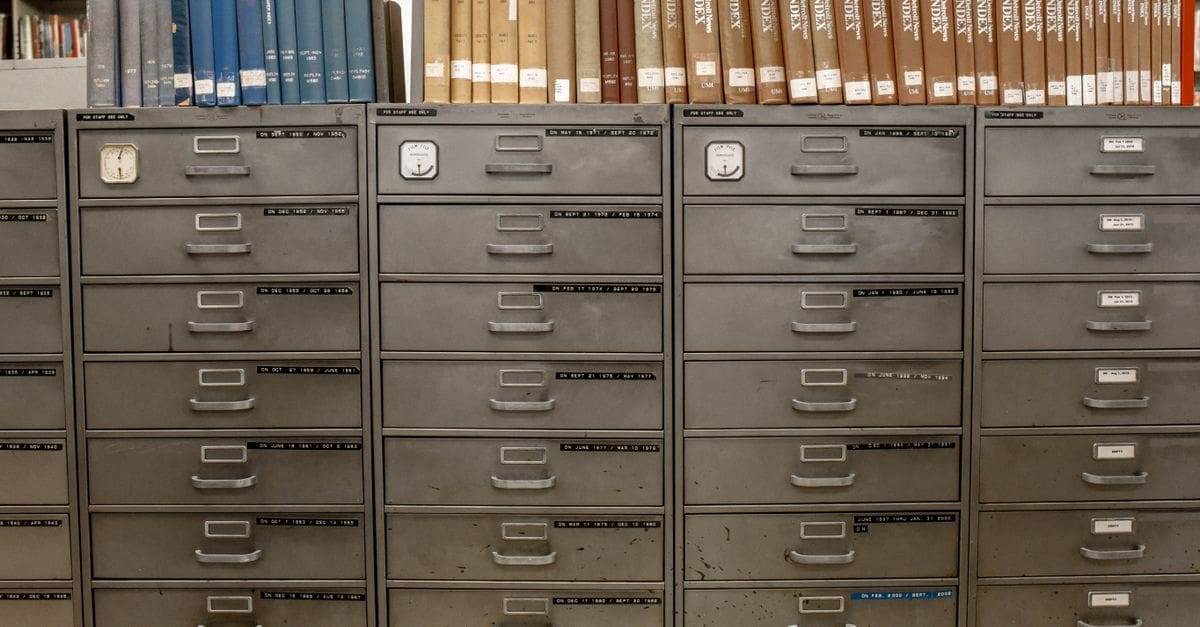
How to Choose a Filing Cabinet
Tax records, medical paperwork and client files all need a home that keeps them flat, findable and secure. Drawer count, cabinet style and drawer extension decide how much a unit holds and how easy files are to reach. Locks, fire resistance and build quality decide how well it protects what is inside. These are the specs to compare.
Vertical vs Lateral Cabinets
Vertical filing cabinets are narrow and deep, with drawers that pull straight out toward you. They fit into tight spaces beside a desk or in a closet and are common in home offices.
Lateral cabinets are wide and shallow, with files running side to side. They need more wall space but make it easier to see and reach every folder, and the top doubles as a printer stand.
Drawer Count and Capacity
Two-drawer cabinets suit most home offices and often fit under a desk return. Three and four-drawer models hold far more and suit small businesses with years of records.
Compare filing inches per drawer to judge true capacity. Drawers should hold at least 50 to 75 pounds without sagging.
Letter and Legal Size Support
Many cabinets support both letter and legal hanging folders with adjustable rails. Check that the rails are included rather than sold separately.
Lateral cabinets often allow front-to-back or side-to-side filing, which adds flexibility. That lets you store letter and legal files in the same drawer without wasted space.
Drawer Slides and Safety
Full-extension ball-bearing slides let you reach files at the very back of the drawer. Cheaper friction slides open only part way and wear out faster.
Anti-tip interlocks prevent more than one drawer from opening at once, keeping tall cabinets from tipping. Wall anchors add another layer of safety.
Locks, Fire Resistance and Materials
Most cabinets include a central lock that secures every drawer. Fire-resistant cabinets are rated to protect paper for 30 minutes to an hour at high temperatures.
Steel cabinets are the most durable, while wood and laminate suit home offices. Rolling cabinets with locking casters tuck under desks.
What to Check Before You Buy
- Choose vertical or lateral style for your space.
- Count drawers and check weight capacity.
- Confirm letter and legal folder support.
- Look for full-extension ball-bearing slides.
- Check for anti-tip interlocks.
- Confirm lock type and fire rating needs.
- Choose steel, wood or laminate finish.
How to Choose a Filing Cabinet
Use these steps to choose a cabinet.
- Estimate how much paper you need to store.
- Measure available floor and wall space.
- Pick vertical or lateral style.
- Check drawer slides, rails and capacity.
- Decide on lock and fire protection needs.
- Choose a material and finish.
Ready to shop? Browse our full list of Filing Cabinets to compare current options and prices.