Patio Lounge Chair Buying Guide: Recline, Frame and Comfort
Stretching out by the pool or catching afternoon sun on the deck calls for a chair that reclines far enough to nap in. Backrest positions, frame material and seat height decide comfort and how easily you get up. Weather resistance, wheels and stacking matter when you move or store chairs. Here is how to compare them.
Chaise Lounges vs Zero-Gravity Recliners
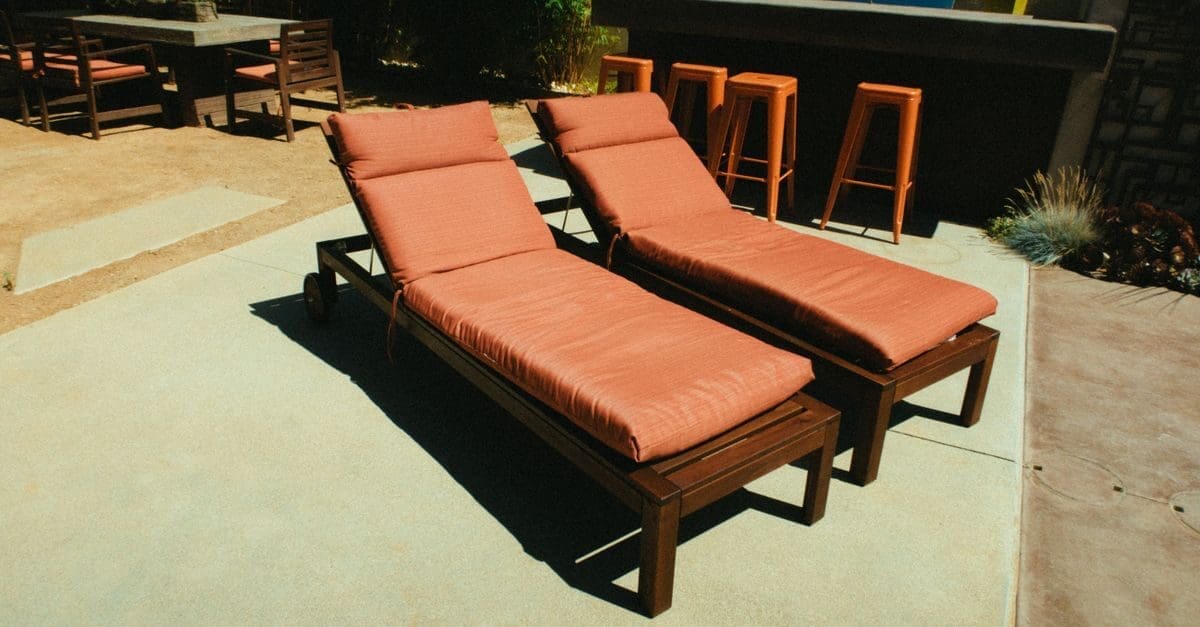
Chaise lounges are long chairs with adjustable backrests that let you sit upright to read or lie fully flat for tanning and napping. They take up more floor space, typically around 6 to 7 feet long, but feel like a daybed.
Zero-gravity recliners raise your feet above your heart and lock in any position along a smooth glide. They fold for storage and suit decks and smaller patios where a full chaise would crowd the space.
Frame Materials
Powder-coated aluminum frames resist rust and are light enough to move around the pool deck. Resin and HDPE lounges handle chlorine, saltwater and sunscreen well and clean with a quick hose-down.
Teak and other hardwoods look upscale and stay cool to the touch but need periodic oiling or cleaning to keep their color. Steel frames feel solid and stable but are heavier and need a quality finish near pools.
Backrest Positions and Adjustments
Look for at least four to five backrest positions so you can move from reading to fully reclined. Ratchet and gas-lift mechanisms are easier to adjust while seated than pins and slots.
Adjustable footrests or knee breaks on some chaises add comfort for long sessions. Side tables or built-in trays that swing out keep drinks and phones within reach.
Seat Material: Sling, Mesh and Cushions
Sling and mesh seats dry within minutes after a swim and stay cooler than solid surfaces in direct sun. They also need no cushions, so there is nothing to store when it rains.
Cushioned lounges feel plusher and more like indoor furniture, but cushions need storage or covers. Quick-dry foam and solution-dyed outdoor fabric resist mildew and fading.
Seat Height and Weight Capacity
Many chaises sit low, around 12 to 14 inches, which can make getting up difficult. Higher seats around 16 to 18 inches are easier for older adults and anyone with stiff knees.
Most lounges support 250 to 300 pounds, and heavy-duty models go higher. Wide seats of 26 inches or more feel roomier for larger users or for curling up sideways.
Wheels, Stacking and Storage
Rear wheels let you roll a chaise to follow the sun or move it out of the way for parties. Without wheels, heavy lounges can scratch decks when dragged.
Stackable lounges save space during winter, while folding models tuck into a garage or shed. Check stacked height if you plan to store several chairs together.
What to Check Before You Buy
- Choose a chaise, zero-gravity or upright lounge style.
- Pick a frame material that suits your setting.
- Check the number of backrest positions and how they adjust.
- Compare sling, mesh or cushioned seats.
- Confirm seat height and weight capacity.
- Look for wheels, stacking or folding features.
- Plan storage for winter and cushions.
How to Choose Patio Lounge Chairs
These steps help you choose lounge chairs.
- Decide how and where you will use the chairs.
- Choose a lounge style that fits your space.
- Pick a frame material for your climate and setting.
- Check adjustability and seat comfort.
- Confirm seat height and weight capacity.
- Plan mobility and storage.
Ready to shop? Browse our full list of Patio Lounge Chairs to compare current options and prices.