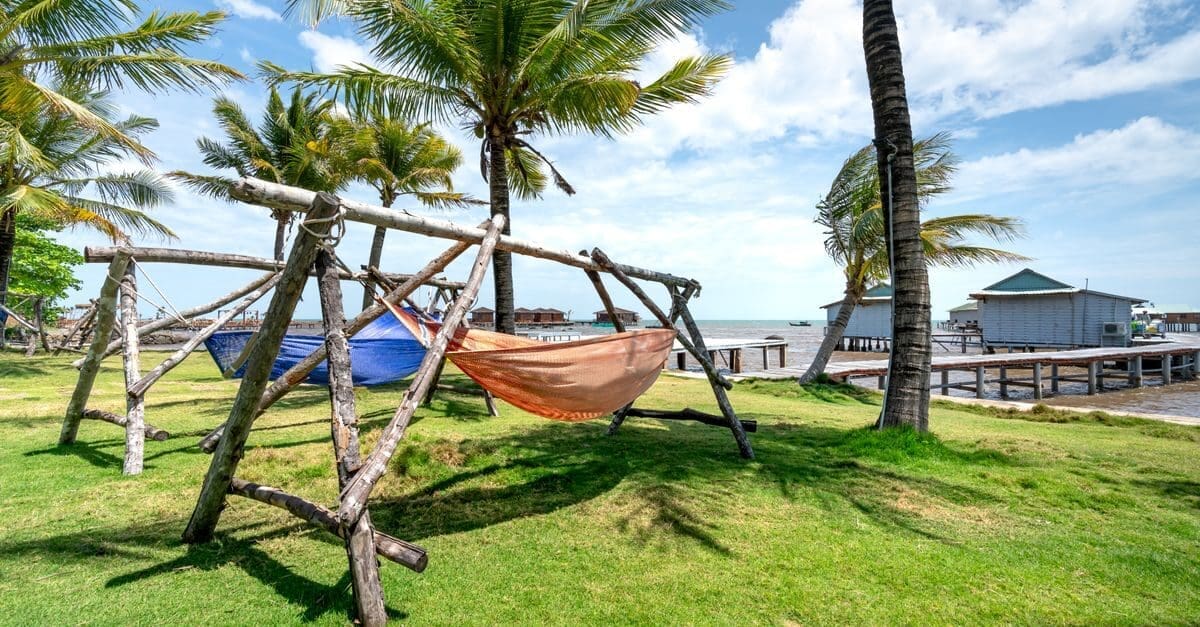
How to Choose a Hammock With a Stand
Not every yard has two healthy trees the right distance apart, which is why freestanding hammock setups are so popular. The stand determines stability, weight capacity and how easily the hammock moves between the lawn, deck and garage. Bed style and fabric decide comfort and how the hammock handles sun and rain. These are the factors worth comparing.
Stand Material: Steel, Wood and Aluminum
Powder-coated steel stands are strong and affordable, supporting 350 to 550 pounds in many models. They are heavy, which adds stability, but they need a good finish to resist rust at scratches and joints.
Arc-shaped wooden stands made from larch, cypress or pine look attractive on decks and in gardens but need sealing every year or two. Aluminum stands are light and rustproof but often carry lower weight limits.
Hammock Style: Spreader Bar vs Gathered End
Spreader bar hammocks use wooden or metal bars at each end to keep the bed flat and open. They are easy to get in and out of and give a clear view of the yard, but they can feel tippy if you sit near the edge.
Gathered-end Brazilian and Mayan hammocks cradle your body and let you lie diagonally for a flatter, more secure position. They wrap around you more and feel cozier for naps.
Bed Fabric and Weather Resistance
Cotton rope and fabric beds feel soft and breathable on bare skin but absorb water, fade and can mildew if left out in rain. Polyester and olefin resist fading, dry quickly and hold up better outdoors.
Quilted fabric hammocks offer padding and a mattress-like feel for cooler evenings. Textilene mesh drains water instantly and stays cool in hot weather, making it practical for poolside use.
Size, Length and Weight Capacity
Single hammocks fit one adult comfortably, while double hammocks fit two adults or one person who likes extra room. Stand length usually runs from about 9 to 15 feet, so measure your space before buying.
Choose a weight capacity that exceeds the combined weight of everyone who will use it at once. Check both the hammock and stand ratings and go by the lower of the two.
Assembly, Portability and Adjustment
Many steel stands assemble in minutes with pin or knob connections and no tools. Portable stands break down into a carry bag for camping, the beach or moving to a sunnier spot.
Multiple hanging hooks or adjustable chain links let you change hammock height and tension. Higher hanging gives more sag and comfort but can make getting in harder for kids and older adults.
Accessories and Care
Pillows, canopies and drink holders that clip to the stand add comfort and shade. A weather cover protects the hammock bed when you leave the setup outside.
Store fabric indoors during winter or long rainy spells to prevent mildew and fading. Wipe steel stands and touch up chips in the finish to prevent rust.
What to Check Before You Buy
- Choose a stand material for strength and weather resistance.
- Pick a spreader bar or gathered-end hammock.
- Check bed fabric for comfort and outdoor durability.
- Confirm weight capacity for both stand and hammock.
- Measure stand length against your space.
- Look for adjustable hanging hooks.
- Check assembly method and portability.
How to Choose a Hammock With Stand
These steps help you choose a hammock setup.
- Measure the space where you will set it up.
- Choose a stand material for your climate.
- Pick a hammock style for comfort.
- Check fabric and weather resistance.
- Confirm weight capacity for all users.
- Plan storage, covers and accessories.
Ready to shop? Browse our full list of Hammocks With Stands to compare current options and prices.