Fire Pit Buying Guide: Fuel, Size and Materials
A backyard fire becomes the gathering point for long conversations, s’mores and cool autumn nights. Choosing one means deciding on fuel, size, materials and safety features that suit your yard and local rules. Wood, gas and gel options each change the experience, and placement matters as much as the pit itself. Here is how to compare them.
Wood, Propane or Natural Gas
Wood-burning pits deliver the crackle, smell and radiant heat of a real campfire. They require a supply of firewood, produce smoke and ash and may be restricted during burn bans or in some neighborhoods.
Propane and natural gas pits offer instant flame with a switch and little cleanup. They produce less heat than wood and cost more upfront, but they are often allowed where wood fires are not.
Bowl, Ring or Table
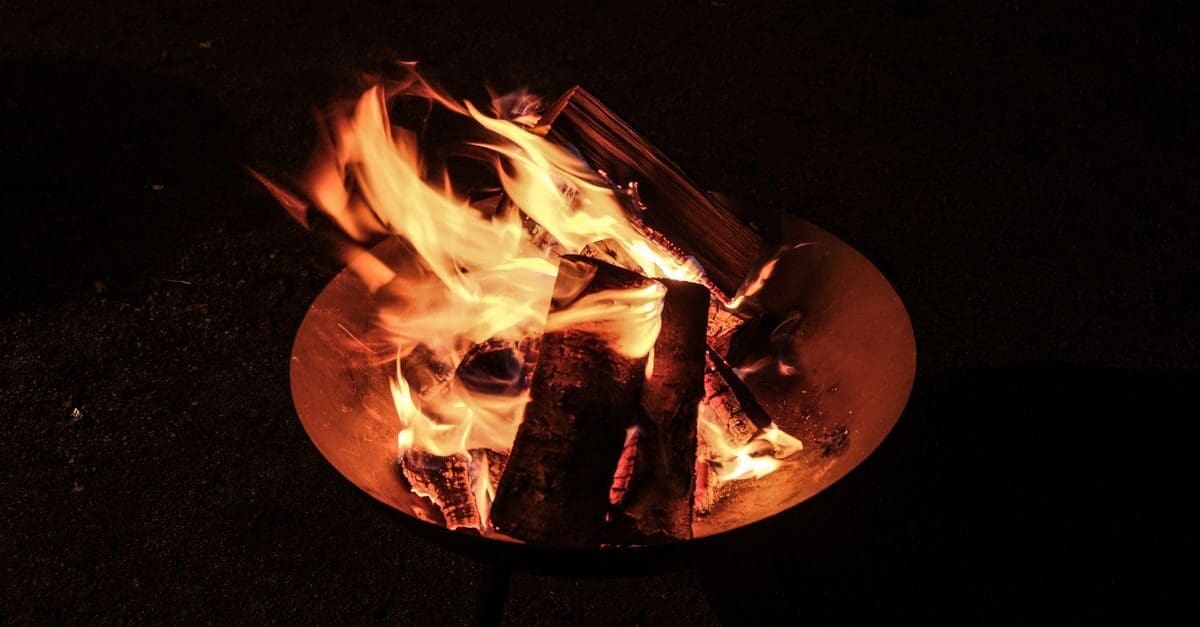
Bowl-style fire pits sit on legs and are portable, making them easy to move around the yard. Ring styles sit on the ground or are built into stone surrounds for a permanent look.
Fire tables combine a flame with a wide ledge for drinks and plates, and the base often hides the fuel source. They are usually gas-fueled and work as a centerpiece for patio seating, doubling as a coffee table when the lid is on.
Size and Seating Layout
A diameter of about 30 to 36 inches suits most backyards and seats four to six people comfortably. Larger pits around 40 inches or more need more clearance and more fuel.
Plan for seating about 3 to 4 feet from the fire edge, and keep at least 10 feet of clearance from structures, trees and fences. Check local codes for exact distances.
Materials and Durability
Cast iron holds heat, radiates warmth long after the flames die down and develops a rustic patina, but it rusts if left uncovered in the rain. Steel is lighter and cheaper, though thinner gauges can warp or burn through after a few seasons of hot fires.
Stone, brick and concrete pits are durable and stay put, giving the yard a permanent feature that needs little upkeep. Copper bowls add a decorative look and develop a natural green-brown patina, though they cost more and are softer than steel.
Safety Accessories
Spark screens keep embers contained on breezy nights and protect nearby cushions, decks and dry leaves. A long fire poker and heat-resistant gloves let you shift logs without leaning over the flames.
Fitted covers keep rain from pooling in the bowl and speeding up rust. Always keep a fire extinguisher, garden hose or bucket of water within reach whenever the fire is lit.
What to Check Before You Buy
- Choose a fuel type that suits your yard, neighborhood rules and maintenance preferences.
- Decide between a portable bowl, ground ring or fire table.
- Measure your space to choose a diameter with enough clearance.
- Compare materials such as cast iron, steel, stone and copper.
- Look for a spark screen for windy nights and a cover for rainy weeks.
- Check local fire codes and HOA rules before installing.
- Plan seating placement about 3 to 4 feet from the fire edge.
How to Choose a Fire Pit
Use these steps to plan your fire pit area.
- Check local rules on wood burning and placement.
- Choose wood, propane or natural gas fuel.
- Pick a style that fits your layout.
- Select a size and materials for your space.
- Plan clearances from structures and comfortable seating distance.
- Add safety accessories before the first fire.
Ready to shop? Browse our full list of Fire Pits to compare current options and prices.