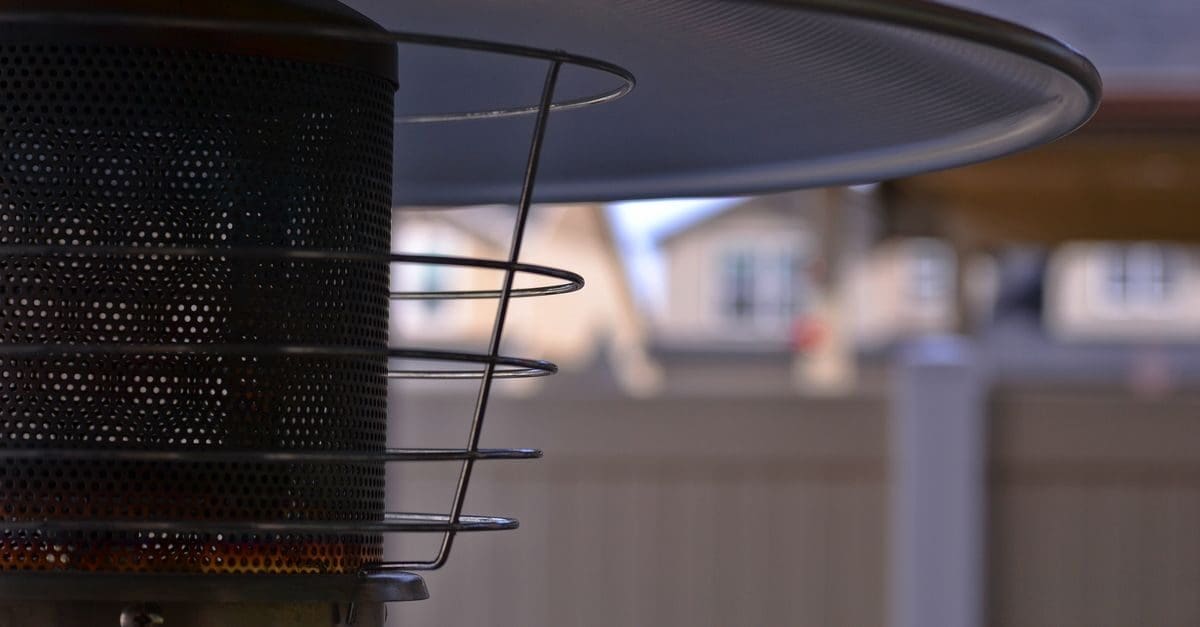
How to Choose a Patio Heater
Cool evenings do not have to end outdoor dinners early. A well-chosen heater can extend patio season by weeks on each end of summer, but output, fuel and mounting style decide how much space it actually warms. Propane towers, natural gas units, electric infrared panels and tabletop models each suit different spaces. Here is how to compare them.
Fuel Type: Propane, Natural Gas or Electric
Propane heaters run on standard 20 lb tanks and can be moved anywhere on the patio, which makes them the most flexible option for open spaces. A tank typically lasts about 8 to 10 hours on high, so plan for refills or keep a spare on hand.
Natural gas models connect to a home gas line, delivering unlimited run time and lower fuel costs, but installation requires a plumber and fixes the heater in place. Electric infrared heaters plug into outlets or hardwire into walls and ceilings, produce no fumes and suit covered or semi-enclosed spaces.
Heat Output and Coverage
Propane tower heaters typically produce 40,000 to 48,000 BTU and warm a circle roughly 15 to 20 feet across. Tabletop propane models put out around 10,000 BTU and warm a few people sitting close by.
Electric heaters are rated in watts, with 1,500 watts common for plug-in units and 3,000 to 6,000 watts for hardwired models. Infrared heaters warm people and objects directly rather than heating air, which works better in breezy conditions.
Mounting Style
Freestanding tower and pyramid heaters stand in open areas and can be moved as needed. They need a level surface and enough clearance from overhead structures and furniture.
Wall-mounted and ceiling-mounted electric heaters save floor space and keep heat directed where people sit. Hanging models work well under pergolas and covered porches, provided clearance requirements are met.
Safety Features
Look for tip-over shutoff switches that cut fuel or power if the heater falls, and thermocouple or flame-out protection on gas models. These features are standard on quality heaters and essential where kids or pets are present.
Respect the clearance distances listed in the manual, which often call for several feet of space above and around the heater. Never run a propane or natural gas heater in an enclosed room or sealed porch, since combustion produces carbon monoxide that can build up quickly.
Build Quality and Weather Resistance
Stainless steel and powder-coated aluminum resist rust better than basic painted steel, especially near the coast. If the heater will stay outside year-round, check that electric models carry a wet-location or IP rating suited to rain exposure.
A weighted or sand-fillable base improves stability for tall tower heaters in gusty spots. A fitted cover keeps rain, pollen and insects out of burners and reflectors during the off-season, which extends the heater’s life.
What to Check Before You Buy
- Choose propane, natural gas or electric based on mobility and installation needs.
- Compare BTU or wattage against the size of your seating area.
- Decide between freestanding, wall-mounted, ceiling-mounted and tabletop styles.
- Confirm tip-over shutoff and flame-out protection are included.
- Check required clearances from ceilings, walls and furniture.
- Look for stainless steel or powder-coated finishes for outdoor durability.
- Consider a cover to protect the heater during off-season months.
How to Choose a Patio Heater
These steps help match a heater to your outdoor space.
- Measure the seating area you want to warm.
- Choose a fuel type based on your space and installation options.
- Pick a mounting style that suits your layout.
- Compare heat output against your measured area.
- Confirm safety features and clearance requirements.
- Check materials and weather ratings for long-term use.
Ready to shop? Browse our full list of Patio Heaters to compare current options and prices.