
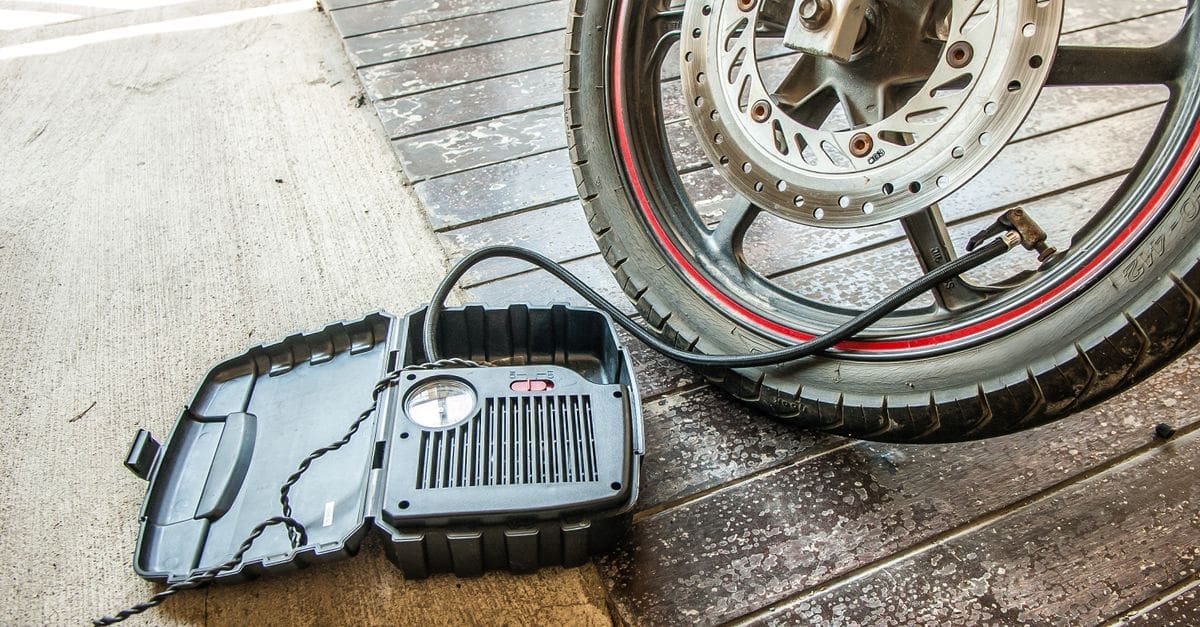
How to Choose a Tire Inflator
Reaching a stubborn valve on a cold morning is easier with a compressor that reads pressure accurately and shuts off on its own once the tyre is set. Power source, the maximum pressure it sustains, and gauge accuracy separate a dependable inflator from a toy that overheats after one wheel. Nozzle fit and cable reach shape how quickly the job gets done. Matching the unit to your vehicles keeps a cheap pump from stalling on a truck tyre it was never built to fill.
Power Source and Portability
Rechargeable cordless inflators go anywhere and suit a bike or a car stranded away from a socket, but their battery limits how many tyres they fill before needing a charge. Twelve-volt units running off the car’s socket never run flat as long as the engine turns, though the trailing cord can be short.
Mains-powered compressors deliver the most sustained output for a garage, filling large tyres quickly without pausing to cool. Weigh where you will use the pump most, since a cordless model bought for convenience frustrates if it cannot finish a full set of truck tyres on one charge.
Maximum Pressure and Inflation Speed
The maximum pressure figure decides whether the pump can reach the higher settings a loaded van or road bike demands, and a unit that tops out too low simply cannot finish the job. Car tyres sit far below a road bicycle’s pressure, so a single pump rarely excels at both extremes.
Inflation speed, quoted in litres per minute, tells you how long each tyre takes, and a slow pump tests your patience on a large wheel. A model that runs steadily without overheating matters more than a headline speed it can only sustain briefly.
Gauge Accuracy and Auto Shut-Off
A digital gauge that reads within a small margin lets you set pressure precisely, while a vague analogue dial invites over- or under-inflation. Cross-checking against a known-good gauge when the unit is new confirms you can trust its reading.
Auto shut-off inflates to a preset pressure and stops on its own, sparing you from watching the dial and preventing an over-filled tyre. Presets that remember your usual settings speed up a routine top-up across several wheels.
Nozzle Fittings and Attachments
A screw-on or locking chuck grips the valve firmly and avoids the hiss of air escaping past a loose push-on fitting. Bundled adapters for presta valves, sports balls, and inflatables widen what the pump can handle beyond car tyres.
The hose length between pump and chuck decides how comfortably you reach a rear valve without moving the unit. A pump with a threaded metal fitting lasts longer than a flimsy plastic clip that cracks after a season.
Display, Lighting, and Ease of Use
A backlit screen and a work light help at the roadside in the dark, where most punctures seem to happen. Large, glove-friendly buttons make setting the target pressure easier than a fiddly recessed switch.
Units in different pressure scales let you match whatever your vehicle’s placard uses without mental conversion. A clear layout with the gauge visible while the pump runs beats one where the display hides under the hose.
Storage, Noise, and Durability
An onboard cavity that stows the cord and nozzles keeps the kit together in the boot rather than scattered loose. A compact body fits a glovebox or a bike bag, while a garage compressor trades size for output.
Compressors are inherently noisy, so a quieter model spares your ears on a long fill, though most run loud at full tilt. A rugged housing and a decent duty cycle keep the motor from failing when you fill several tyres in a row.
What to Check Before You Buy
- Choose a power source that suits where you inflate most, from roadside to garage.
- Confirm the maximum pressure covers your highest-pressure tyres, not just the car.
- Check the inflation speed and that the motor sustains it without overheating.
- Favour a digital gauge with auto shut-off to a preset pressure.
- Look for a locking or threaded chuck plus adapters for bikes and inflatables.
- Check the hose length reaches a rear valve comfortably.
- Note storage for the cord, a work light, and the duty cycle for repeated fills.
How to Choose a Tire Inflator
Start with the vehicles you maintain and where you will use the pump, then weigh pressure, speed, and gauge accuracy.
- List the tyres you fill, noting the highest pressure any of them needs.
- Decide between cordless, twelve-volt, and mains power for your usual location.
- Confirm the maximum pressure and inflation speed suit those tyres.
- Choose a digital gauge with auto shut-off and preset memory.
- Check the chuck type and included adapters for bikes and sports gear.
- Weigh size, noise, and storage against how portable it needs to be.
Ready to shop? Browse our full list of Tire Inflators to compare current options and prices.


