How to Choose an Automatic Dog Feeder for Your Pet
A consistent feeding schedule does more for a dog’s health and behavior than most owners expect — it regulates digestion, reduces food-related anxiety, and curbs the begging that follows irregular mealtimes. Automatic dog feeders make this consistency achievable even across full work days or multi-day trips, dispensing measured portions at preset times without human involvement. The range spans from basic two-meal timers to smart feeders with cameras, voice messages, and app-based portion adjustments. Matching the feeder’s capacity, portioning accuracy, and durability to your dog’s size and eating habits prevents both underfeeding and motorized overeating.
Hopper Capacity and Kibble Compatibility
Hopper size determines how often you refill and how long the feeder can run autonomously. Small dogs eating 1 cup per day need far less capacity than large breeds consuming 4–5 cups. Most mid-range feeders hold between 4 and 7 liters, which translates to roughly 5–15 days of food for small dogs and 2–5 days for large breeds. Measure your dog’s daily intake in cups or liters before comparing hopper sizes, since liter-to-cup conversions vary by kibble density.
Kibble size compatibility is equally important. Large kibble pieces with irregular shapes bridge more easily across the dispenser opening, causing jams that leave a meal undelivered. Confirm the feeder’s rated kibble size range and cross-reference it against your dog’s food. Units with wider dispenser openings and active anti-jam motors handle large kibble far more reliably than narrow-throat designs built primarily for small pieces.
Meal Count and Portion Accuracy
The number of programmable meals determines whether the feeder fits your veterinarian’s prescribed schedule. Most dogs eat twice daily, but weight-management programs often call for three to four small meals to support metabolism and reduce between-meal hunger. Confirm the maximum programmable meal count and whether each meal can have an independently set portion size — some feeders lock all meals to the same amount, which doesn’t work for split-ratio feeding plans.
Portion accuracy in practice often differs from manufacturer claims. A feeder advertised as accurate to one-tenth of a cup may show a 20% variance across different kibble shapes. For dogs on precise calorie-controlled diets, this matters significantly. Read independent testing reviews that evaluate portioning across multiple kibble types, and calibrate the feeder yourself by running test dispenses before switching fully to automated feeding.
Anti-Jam and Clog Resistance
Jamming is the most common point of failure in automatic dog feeders. It occurs when kibble bridges across the dispenser opening or clumps due to humidity, stopping the mechanism before the full portion is delivered. Active anti-jam systems use a motor that reverses briefly when resistance is detected, clearing the bridge before resuming the dispense cycle. Passive systems simply stop and require manual intervention.
Humidity accelerates clumping, particularly in larger hoppers where the bottom kibble absorbs moisture over several days. Using a sealed hopper, storing the feeder in a low-humidity location, and placing desiccant packets inside the hopper reduces clogging frequency. If you live in a humid climate or use a moist-formula dry kibble, prioritize active anti-jam design and a silicone-sealed hopper lid.
Battery Backup and Power Reliability
A power outage that knocks out an AC-powered feeder will skip scheduled meals until power is restored — which may not matter for a single missed meal but becomes a welfare concern during multi-hour outages. Battery backup systems maintain the feeding schedule and internal clock through power interruptions. Most units use 3–4 D-cell batteries as backup, drawn on only when main power fails.
Confirm that the battery backup also preserves the programming memory. Some budget feeders lose their schedule when power is interrupted and revert to factory defaults, requiring reprogramming after every outage. This is particularly problematic for older dogs or those with medical conditions where missed or doubled meals create health risks.
Smart Features and App Control
Wi-Fi-enabled feeders add remote meal scheduling, real-time dispensing, and push notifications when a meal is delivered — useful for pet owners who travel or work unpredictably long hours. Camera-equipped models let you visually confirm the dog is eating, valuable for monitoring appetite changes that can signal health issues. Two-way audio allows you to call the dog to the feeder or provide reassurance during long absences.
Smart features add cost and create a dependency on app availability and cloud server uptime. If the manufacturer discontinues support or the app requires an OS version your phone no longer runs, remote features stop working. Evaluate whether the smart features are genuinely part of your daily routine or nice-to-haves that don’t justify the added complexity and price over a reliable non-connected model.
Bowl Stability and Build Durability
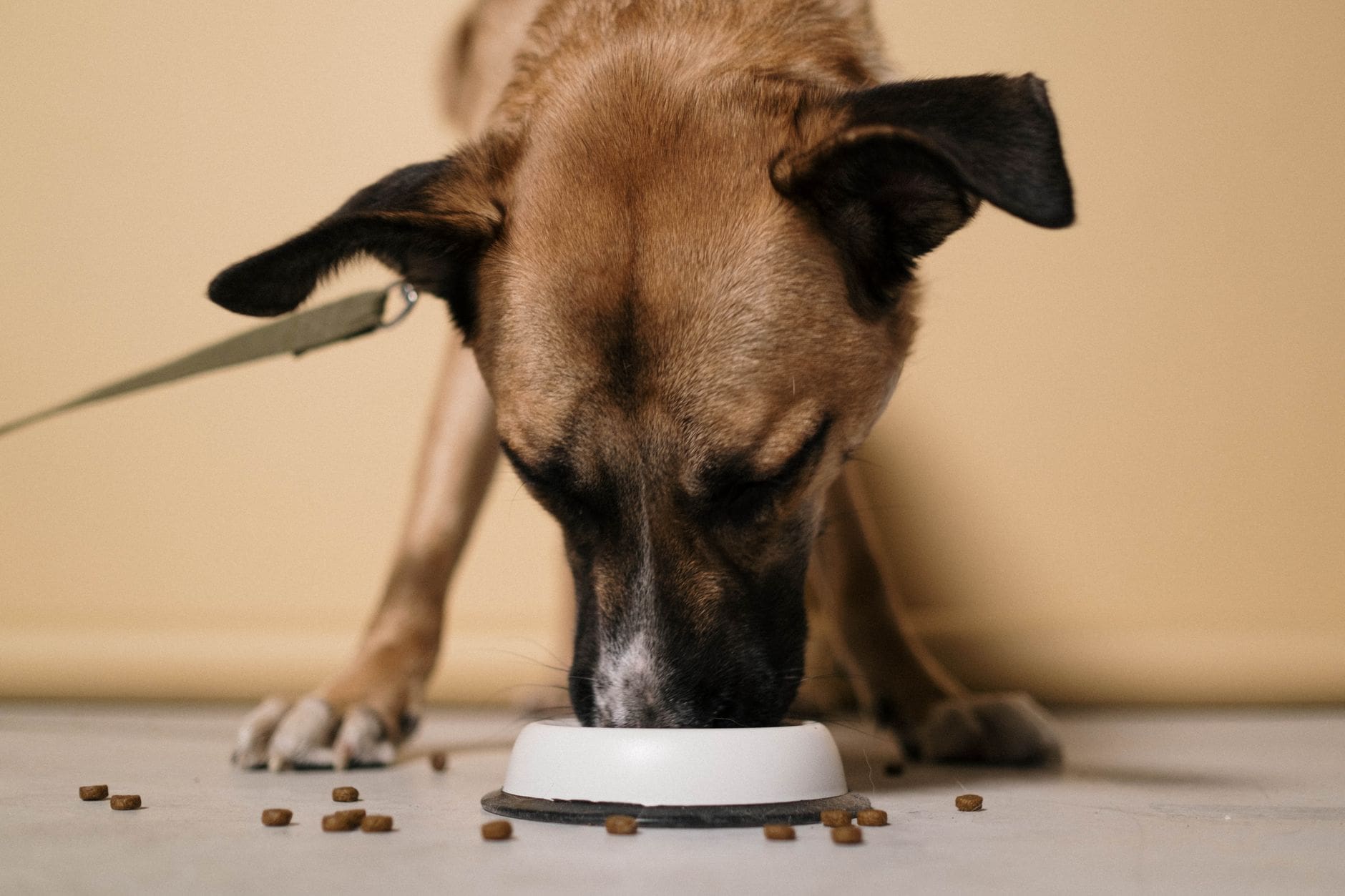
Dogs that eat enthusiastically or are food-motivated often push, paw, or pick up their feeders while pursuing the last few pieces of kibble. A feeder with a wide, heavy base and rubberized non-slip feet resists sliding on hardwood or tile. Verify the bowl detaches for easy washing — stainless steel or BPA-free plastic bowls that are dishwasher-safe significantly simplify daily hygiene.
Motor durability separates feeders that last three years from those that fail within months. Brushless motors are more durable than brushed designs for high-frequency daily use. Check whether the manufacturer offers any warranty beyond 90 days, since motor and mechanism failures in budget feeders often appear between 6 and 18 months of regular use.
What to Check Before You Buy
- Calculate your dog’s exact daily portion in cups or grams based on your veterinarian’s feeding prescription.
- Match the hopper capacity to your refill schedule — determine how many days of food the hopper needs to hold.
- Confirm the feeder handles your dog’s kibble size by checking the manufacturer’s stated compatible kibble dimensions.
- Verify the maximum number of programmable meals per day and whether each meal can have a different portion size.
- Look for active anti-jam motor technology if you feed large, irregular, or high-moisture kibble.
- Confirm battery backup maintains both the schedule and programming memory through power outages.
- Assess bowl stability — check the base footprint and weight relative to your dog’s size and eating intensity.
- Read reviews for reports of overfeeding caused by jams suddenly clearing and releasing a double portion.
How to Choose an Automatic Dog Feeder
These steps address the most common mismatch points between feeders and the dogs using them:
- Determine your dog’s daily portion in the exact unit your vet prescribed, then convert to the hopper’s measurement scale.
- Match hopper size to your realistic refill schedule — weekly refills require at least 4–5 liters for medium breeds.
- Confirm kibble size compatibility by checking the feeder’s rated opening dimensions against your current kibble.
- Choose the meal frequency setting that aligns with your vet’s recommendation for your dog’s age and health status.
- Evaluate smart features only after confirming the core portioning and jamming performance through user reviews.
- Check the base dimensions and weight against your dog’s size to assess whether the unit will tip during enthusiastic eating.
Ready to shop? Browse our full list of Automatic Dog Feeders to compare top-rated options.