
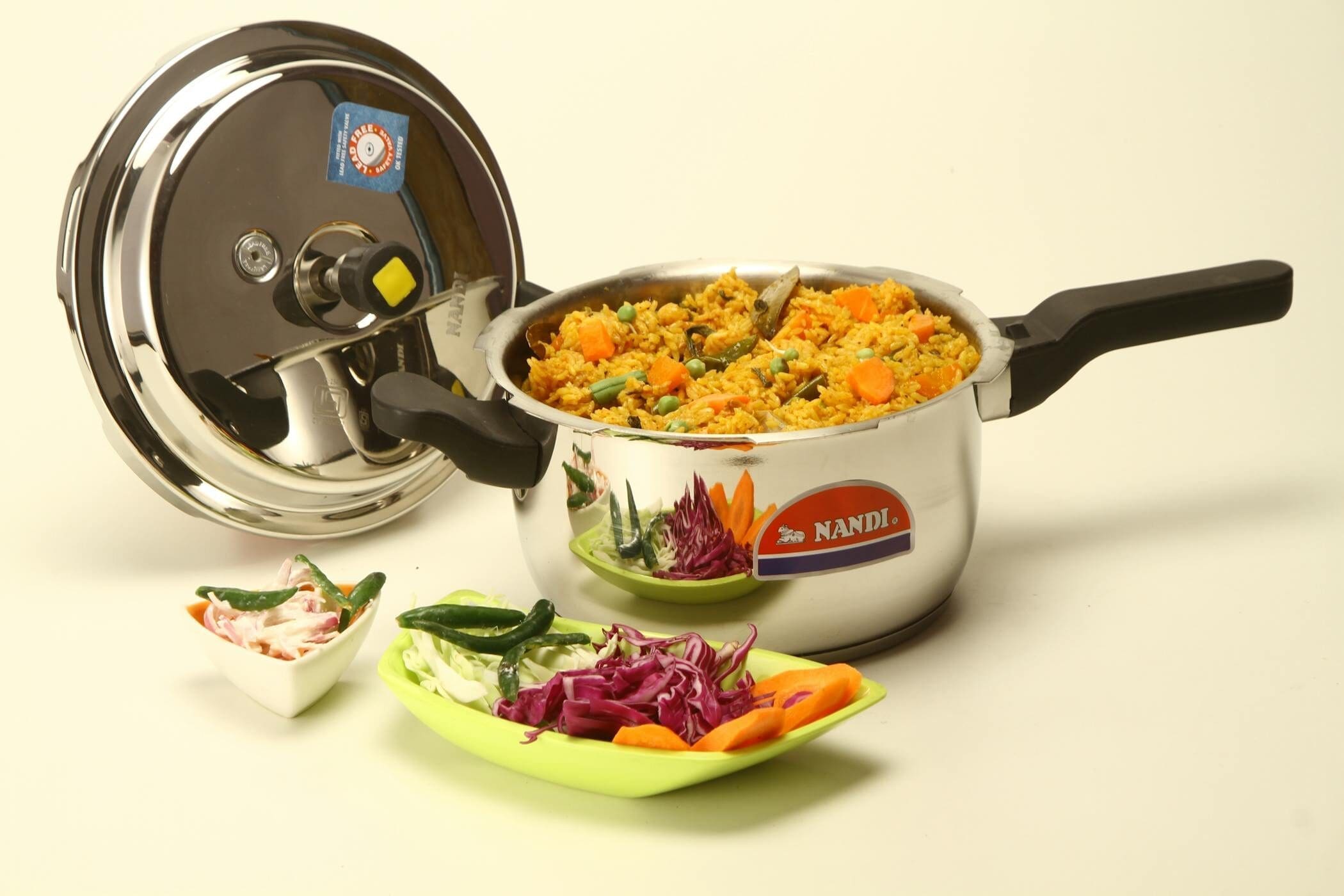
Pressure Cooker Materials and Inner Pots: What Matters Most
Pressure Cooker Materials and Inner Pots: What Matters Most starts with a practical question: how will this pressure cooker fit the way you cook before it ever reaches your counter? The smartest pre-purchase decision comes from matching size, controls, materials, storage, and daily habits instead of chasing the most dramatic feature list. When the product fits your kitchen rhythm, it feels useful from the first week rather than like another specialty appliance waiting for the right occasion.
This guide focuses on buying considerations only, so the goal is not to teach recipes or ownership routines. Instead, it helps you understand the tradeoffs that matter before checkout. Use it as a clear framework for narrowing choices and comparing models with more confidence.
Why Pressure Cooker Material Matters
Pressure cooker materials influence weight, heating behavior, durability, and everyday confidence. The material is not just a technical detail; it shapes how the pot feels on the stove and in your hands. A well-chosen material can make the cooker feel sturdy without becoming unnecessarily heavy.
Most shoppers encounter stainless steel, aluminum, or layered bases. Each has advantages, and the right choice depends on heat source, budget, and handling preferences. Understanding the tradeoffs helps you avoid choosing by appearance alone.
Stainless Steel Pressure Cookers
Stainless steel is valued for durability, corrosion resistance, and a solid feel. It often appeals to shoppers who want cookware that feels long-lasting and less reactive. Stainless models can be heavier, but that weight may also make the pot feel more stable.
The everyday use case matters most
For this kind of purchase, the most reliable clue is the meal pattern you repeat often. Occasional ambitions can push you toward a model that is larger or more complex than necessary. Start with the use case that happens every week, then allow a little room for flexibility without letting rare scenarios dominate the decision.
The important detail is base construction. Stainless steel alone is not the most responsive conductor, so many quality designs use a layered base to spread heat more evenly. If you cook on induction, stainless compatibility also needs to be confirmed.
Aluminum Pressure Cookers
Aluminum is lighter and conducts heat well, which can make it responsive on the stove. It is often more affordable and easier to lift, especially in larger sizes. For shoppers who prioritize weight and price, aluminum can be appealing.
Compatibility can matter more than capacity
A product can have the right volume on paper and still feel wrong in the kitchen. Heat source, cabinet space, counter height, and the way the lid opens all influence convenience. These physical details are easy to miss online, but they often determine whether the purchase feels natural after it arrives.
The tradeoff is long-term feel and surface expectations. Aluminum may not offer the same premium sturdiness as stainless, and some shoppers prefer a less reactive interior. The decision depends on whether light handling or long-term durability carries more weight for your kitchen.
Base Thickness and Heat Behavior
Base thickness affects how evenly the cooker heats and how stable it feels on the burner. A thin base may heat quickly but can feel less forgiving. A heavier base may take slightly longer to respond but can distribute heat more smoothly.
Comfort is a pre-purchase feature
Comfort is not only about soft grips or rounded edges. It includes how confidently you can understand the controls, lift the pot, see the markings, and move the appliance through a normal cooking session. When a model reduces hesitation, it is usually a better long-term match.
For pressure cooking, predictable heat matters because the pot needs to reach and maintain pressure. A base that suits your stove can make the cooker feel calmer and more controllable. This is especially relevant for induction and smooth-top electric ranges.
Inner Surface, Fill Markings, and Practical Details
The inner surface should be easy to read and comfortable to use. Clear fill markings help prevent overfilling, while a smooth interior makes stirring and serving more pleasant. These details may seem small, but they affect confidence every time the cooker is loaded.
Material questions to ask include:
- Does the material work with your stove?
- Is the base thick enough for even heating?
- Can you comfortably lift the pot when full?
- Are fill markings clear inside the cooker?
- Does the interior match your durability expectations?
Balancing Durability, Weight, and Budget
A more durable material is not automatically the right choice if it makes the cooker too heavy for regular use. Likewise, a lighter material may be practical even if it feels less substantial. Good buying decisions balance physical comfort with expected lifespan.
Budget also plays a role. Paying more can be worthwhile when it buys better base construction, safer handling, or compatibility with your stove. Paying more only for appearance is less compelling.
The tradeoff should be easy to explain
Every model makes a tradeoff somewhere. It may offer more capacity at the cost of storage, more automation at the cost of simplicity, or better materials at the cost of weight. A good purchase is one where you can explain the tradeoff clearly and still feel satisfied with it.
- Stainless steel favors durability and a sturdy feel.
- Aluminum favors lighter weight and responsive heat.
- Layered bases can improve heat distribution.
- Material choice should match handling comfort.
Final Buying Thoughts on Pressure Cooker Materials
Pressure cooker materials matter because they influence the tool before, during, and after cooking. They affect lifting, heating, storage, and long-term confidence. A smart purchase considers the entire handling experience rather than treating material as a line item.
Choose the material that fits your stove, your strength, and your expectations for durability. A pressure cooker should feel dependable in the hand and stable on the range. When material and design work together, the cooker feels easier to trust.
How this guide supports a larger comparison
If you are comparing multiple pressure cooker options, use this article to clarify the specific angle before reading a broader product roundup. A larger list can show several possibilities, but this kind of guide helps you understand which features deserve attention. That makes a final shortlist easier to judge.


