Pressure Washer Buying Guide: PSI, GPM and Power Source
Grimy decks, mossy patios and a muddy truck all come clean far faster with pressurized water than with a hose and brush. PSI, flow rate and power source determine how much cleaning power you get. Nozzles, hose length and detergent options affect how versatile and safe a machine is. Compare these specs before you buy.
PSI, GPM and Cleaning Units
PSI measures how hard the water hits the surface, while GPM measures how much water flows through the nozzle each minute. Multiplying the two gives cleaning units, which is a better guide to real cleaning speed than PSI alone.
Electric models typically deliver 1,500 to 2,300 PSI at 1.2 to 1.8 GPM, which handles cars, patio furniture, grills and small decks. Gas models reach 2,800 to 4,000 PSI at 2.3 to 4 GPM for driveways, two-story siding and paint stripping.
Electric vs Gas Power
Electric pressure washers are quieter, lighter and start with the push of a button, and they need no oil changes or fuel storage. They are a strong fit for homeowners with occasional light to medium cleaning within reach of an outlet.
Gas pressure washers deliver much more cleaning power and work anywhere, including large properties and job sites. The tradeoff is engine noise, exhaust, heavier weight and seasonal maintenance such as oil changes and fuel stabilizer.
Pump Type and Durability
Axial cam pumps are compact and affordable, and they are common on consumer electric and entry-level gas machines. They work well for occasional use but are usually replaced rather than repaired when they wear out.
Triplex plunger pumps run cooler, last many times longer and can be rebuilt with seal kits, which makes them worth the extra cost for frequent or commercial use. Check pump warranty length as a guide to expected lifespan.
Nozzles and Surface Cleaners
Quick-connect nozzles from 0 to 40 degrees change the spray from a narrow blast to a wide fan. The 25 and 40-degree tips handle most household jobs, while the 0-degree tip is powerful enough to etch wood and damage siding.
Turbo nozzles spin a narrow jet in a circle for faster cleaning of concrete. Rotating surface cleaner attachments clean driveways and patios evenly without the streaks and stripes that come from sweeping a wand by hand.
Hose, Cord and Portability
A 25 to 50-foot high-pressure hose reduces how often you move the machine around the house or vehicle. Electric models also need a long power cord with GFCI protection, since standard extension cords can reduce motor performance.
Large wheels, a telescoping handle and onboard storage for nozzles and hoses make a heavy machine easier to move and store. Check total weight if you plan to carry it up steps or load it into a vehicle.
Detergent and Safety
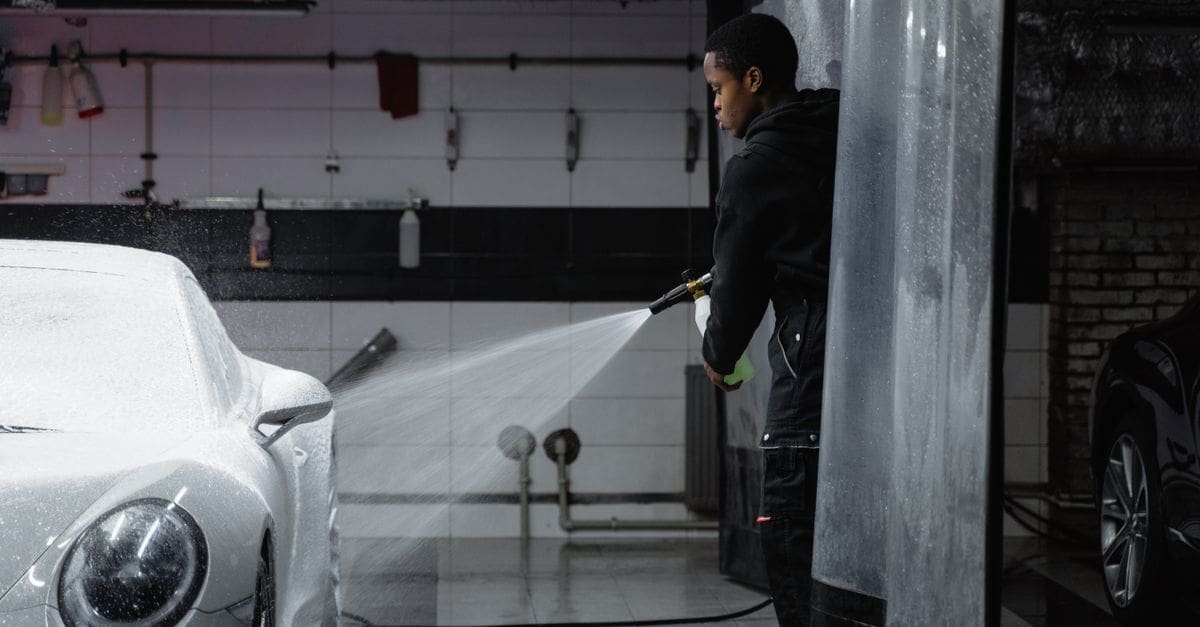
Onboard detergent tanks or a low-pressure soap nozzle apply cleaner before you rinse, which loosens mildew and grease. Use detergents made for pressure washers, since household bleach and harsh chemicals can damage pump seals.
Pressurized water can cut skin and break windows, so wear eye protection and closed-toe shoes and never point the wand at people or pets. Start farther away from delicate surfaces and move closer only as needed.
What to Check Before You Buy
- Compare PSI and GPM together.
- Choose electric or gas power.
- Check pump type and warranty.
- Review included nozzles and attachments.
- Check hose and cord length.
- Look for detergent tanks.
- Plan safety gear.
How to Choose a Pressure Washer
These steps help match a washer to your cleaning jobs.
- List the surfaces you will clean.
- Choose PSI and GPM for those jobs.
- Pick electric or gas power.
- Check pump quality.
- Compare nozzles and accessories.
- Plan storage and maintenance.
Ready to shop? Browse our full list of Pressure Washers to compare current options and prices.