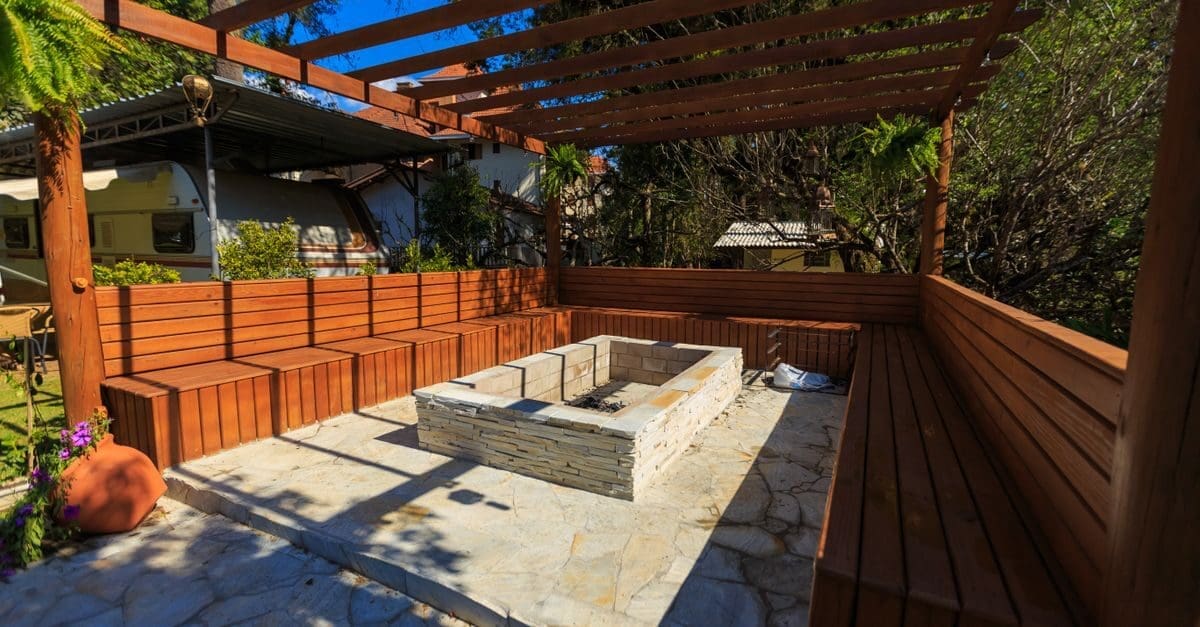
What to Know Before Buying a Patio Gazebo
A covered structure with a solid roof turns a sunny or drizzly patio into a space you can use from spring through fall. Roof type, frame strength and anchoring determine how a gazebo handles wind, rain and snow. Netting, curtains and ventilation shape comfort when bugs and heat arrive. Compare the following before choosing one for your backyard.
Hardtop vs Soft-Top Roofs
Hardtop gazebos use galvanized steel or polycarbonate roof panels that shed rain, block UV and can stay up year-round in many climates. They cost more and take longer to assemble but last far longer than fabric.
Soft-top gazebos use polyester canopies stretched over a frame. They are lighter and cheaper but need to come down before heavy snow or high winds, and the fabric usually needs replacing after a few seasons in strong sun.
Frame Material and Strength
Powder-coated aluminum frames resist rust and are lighter to assemble. Steel frames are stronger and support heavier hardtop roofs but need a good coating to prevent corrosion.
Wood gazebos made from cedar or treated pine offer a traditional look and can be customized, though they need regular sealing. Check post thickness and beam size, since thicker members flex less in wind.
Size and Shape
Common sizes range from 10 by 10 feet for a small dining set to 12 by 16 feet or larger for a sectional or hot tub. Allow at least 2 feet around furniture so people can move freely.
Square and rectangular gazebos fit most patios and line up neatly with decks and house walls. Hexagonal and octagonal shapes suit garden settings, create a focal point in the yard and work well over round fire pit seating.
Ventilation and Vented Roofs
Double-tier or vented roofs let hot air escape and reduce wind uplift. That keeps the space cooler and improves stability in storms.
Mesh panels on the top tier keep insects and birds out while still allowing airflow. Check that the vent opening is large enough to make a real difference on hot, still afternoons.
Netting, Curtains and Privacy
Mosquito netting on tracks keeps bugs out on summer evenings. Privacy curtains block low sun and wind and add a finished look.
Look for curtains and netting on separate tracks so you can use them independently. Check that the fabric is UV and mildew resistant, because damp curtains bunched against a post can mildew within a single humid week.
Anchoring, Snow Load and Assembly
Gazebos must be anchored to concrete, decks or ground with heavy-duty stakes. Check wind and snow load ratings, especially for hardtops left up all winter.
Assembly can take a full day for two or three people. Clear instructions and labeled parts make a big difference.
What to Check Before You Buy
- Choose a hardtop or soft-top roof based on climate and budget.
- Compare frame material and post thickness.
- Measure the space and allow clearance around furniture.
- Look for a double-tier vented roof.
- Check whether netting and curtains are included.
- Confirm anchoring hardware and snow load rating.
- Review assembly time and help needed.
How to Choose a Patio Gazebo
These steps help you choose a gazebo for your yard.
- Decide how you will use the gazebo and what furniture will go under it.
- Choose a roof type based on weather and how long it will stay up.
- Pick a size and shape that fits your patio.
- Compare frame strength and ventilation.
- Check netting, curtains and accessories.
- Plan anchoring and assembly.
Ready to shop? Browse our full list of Patio Gazebos to compare current options and prices.