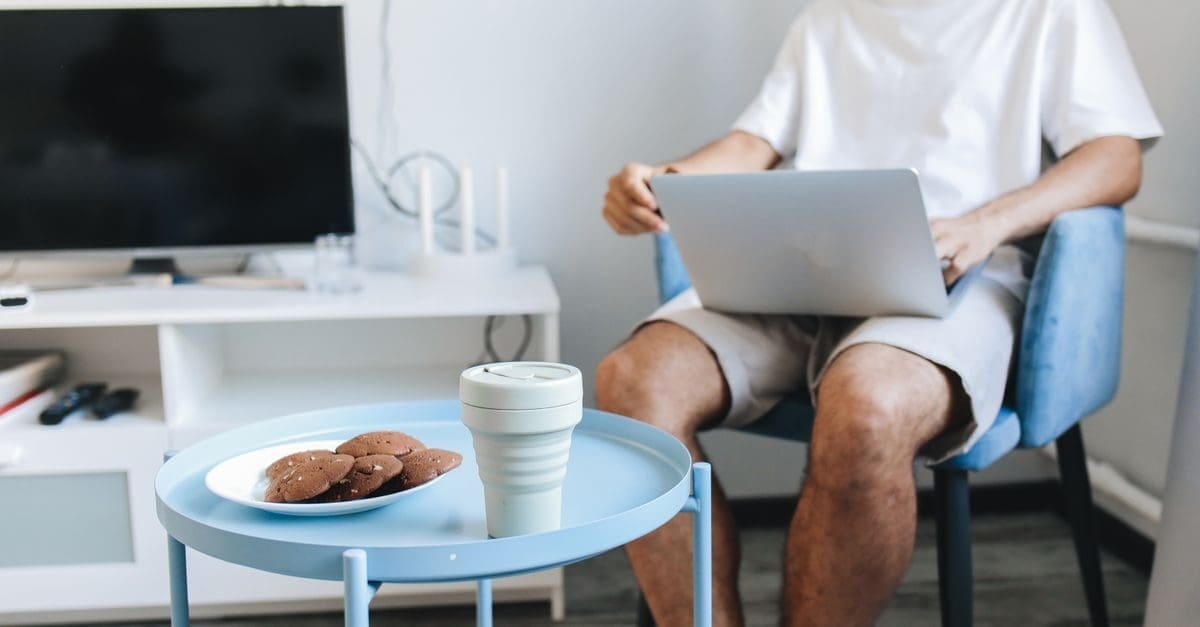
What to Look for in an End Table
Top height relative to the chair or sofa arm beside it decides whether setting a drink down feels natural or requires reaching up. Surface area then determines what actually fits: a lamp base alone can consume most of a small top. Storage underneath is optional but transforms the piece from decorative to useful. Build quality shows up in whether the legs stay tight after years of being nudged by a vacuum.
Height Match With Seating
Aim for a top within two inches of the sofa or chair arm height, ideally level or an inch lower. Reaching upward to set down a glass is the main complaint with tables bought on looks alone.
Armless seating changes the target. There, measure to the seat cushion and add roughly six to eight inches, since the top needs to clear the cushion without towering over it.
Surface Area and What Fits
A lamp base commonly occupies eight to ten inches of diameter, leaving little room on a 16-inch top. If the table must hold both a lamp and a drink, look for at least 20 inches across.
Round tops soften a room and remove sharp corners, which matters in a tight walkway or with young children. Square and rectangular tops hold more usable area for the same overall footprint.
Storage: Drawers, Shelves, and Cabinets
A single drawer hides remotes, coasters, and charging cables that would otherwise clutter the top. Check the internal depth, since some decorative drawers are barely two inches deep inside.
An open lower shelf suits books and baskets and keeps the piece feeling light. Enclosed cabinet doors hide more but need clearance to swing, which can conflict with the sofa beside it.
Construction and Leg Attachment
Legs bolted into threaded metal inserts stay tight far longer than legs screwed directly into engineered board, where the screw hole enlarges with every knock. That joint is the usual failure point.
Check whether the top is solid wood, veneered plywood, or a printed foil over particleboard. Foil finishes chip at the edges and cannot be repaired, while veneer can often be touched up.
Top Material and Spill Resistance
Drinks land here more than on any other surface in a living room, so a sealed or laminated top saves a lot of grief. Untreated wood rings within minutes of a cold glass being set down.
Stone and glass tops wipe clean instantly and tolerate condensation without marking. Both are heavier and colder to the touch, and glass needs to be tempered for safety in a seating area.
Footprint, Weight, and Mobility
A lighter table is easy to reposition when guests arrive, but very light pieces slide when leaned on. Somewhere around 15 to 25 pounds gives a useful balance for most rooms.
C-shaped designs slide their base under the sofa so the top hovers over your lap, which suits laptop use or eating on the sofa. They need enough floor clearance under the seating to work.
What to Check Before You Buy
- Measure the sofa or chair arm height and stay within two inches.
- Allow at least 20 inches across if a lamp and a drink must share the top.
- Check the actual internal depth of any drawer before relying on it.
- Confirm cabinet doors have room to swing beside the seating.
- Look for legs bolted into metal inserts rather than screwed into board.
- Choose a sealed, stone, or glass top to survive condensation rings.
- Verify glass tops are tempered if children use the room.
- Measure sofa base clearance before considering a C-shaped design.
How to Choose an End Table
Measure the seating first, since arm height and the gap beside the sofa narrow the field faster than any style consideration.
- Measure the arm height of the sofa or chair it will sit beside.
- Measure the available floor gap and check the walkway.
- List what the top must hold and size the surface accordingly.
- Decide whether you need a drawer, a shelf, or an open base.
- Inspect leg attachment and top material for durability.
- Choose a finish that tolerates drinks and daily contact.
Ready to shop? Browse our full list of End Tables to compare current options and prices.