
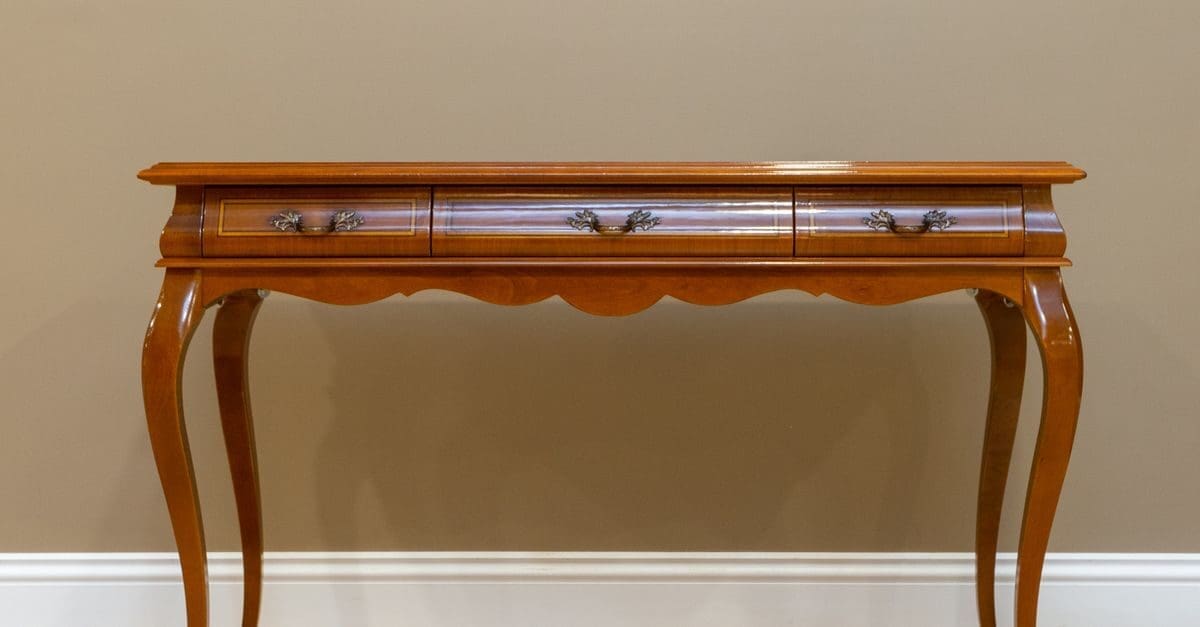
How to Choose a Console Table
Depth is the make-or-break dimension in a hallway, where anything over 14 inches starts narrowing a walkway that needs to stay clear. Height should relate to whatever the table sits against, whether that is a sofa back or an entry wall. Surface durability matters more than people expect, since keys, bags, and damp umbrellas all land here. Weigh those practicalities alongside the storage you need underneath.
Depth, Length, and Walkway Clearance
In a corridor, keep the piece under 14 inches deep and confirm at least 36 inches of remaining walkway. A narrow table that leaves the path clear beats a generous one that everyone sidesteps.
Behind a sofa, match the table length to roughly the sofa width or slightly less. A table that overhangs the arms draws attention to the mismatch rather than framing the seating.
Height Relative to Its Setting
Behind a sofa, the table top should sit level with or just below the top of the sofa back. A table taller than the back looks like a barrier and makes reaching over it awkward.
Against an entry wall, a height around 30 to 34 inches suits standing use, which is what an entry table gets. Lower pieces work visually but mean stooping every time you set something down.
Surface Material and Everyday Wear
Entry surfaces meet keys, coins, and wet umbrella tips, so a sealed lacquer, stone, or metal top holds up far better than an oiled finish. Water rings and key scratches are the two most common marks.
Glass tops show every fingerprint but clean easily and keep a narrow hallway feeling open. Tempered glass is the only safe option in a high-traffic spot, and thickness should be at least a quarter inch.
Storage: Drawers, Shelves, and Open Bases
A shallow drawer handles keys, mail, and small items that otherwise pile on the surface. Look for full-extension glides, because a shallow drawer on friction runners jams easily when overfilled.
A lower shelf gives basket storage for shoes or bags without adding visual bulk. An entirely open base keeps the hallway feeling wide but offers no way to hide clutter.
Stability and Tip Resistance
Narrow, tall tables tip more easily than their proportions suggest, especially when a drawer is pulled fully out. A stretcher between the legs or a lower shelf stiffens the frame considerably.
If the piece will hold a heavy lamp or a mirror leans against it, anchoring to the wall is sensible. Many manufacturers now supply a strap for exactly this reason.
Style, Finish, and Lighting
Open, leggy designs suit a tight hallway because they let you see the floor beneath, which reads as more space. Solid, panel-sided pieces feel substantial but can make a corridor feel narrower.
Plan for a lamp or outlet access if the table will carry lighting. A cord running across a walkway is both untidy and a trip risk, so proximity to an outlet is worth checking early.
What to Check Before You Buy
- Keep hallway depth under 14 inches and confirm 36 inches of walkway.
- Match length to the sofa width when placing behind seating.
- Set the top level with or just below the sofa back.
- Choose a sealed, stone, or metal top for entry-area wear.
- Confirm tempered glass at least a quarter inch thick if glass-topped.
- Look for full-extension glides on any drawer.
- Check for a stretcher or lower shelf to resist tipping.
- Verify an outlet is within reach if a lamp is planned.
How to Choose a Console Table
Fix the location first, because a piece that works behind a sofa is rarely the right shape for a narrow entry hall.
- Decide where the table goes and measure the available depth.
- Confirm the remaining walkway stays at least 36 inches wide.
- Set the target height from the sofa back or standing use.
- Choose a top material suited to what will land on it.
- Pick the storage configuration: drawer, shelf, or open base.
- Check frame bracing and whether a wall anchor is supplied.
Ready to shop? Browse our full list of Console Tables to compare current options and prices.


